Zelensky and Trump Meet at the White House: Warmer Relations, But Kyiv Still Hasn't Got Its Patriots
USD 21,28
Popular
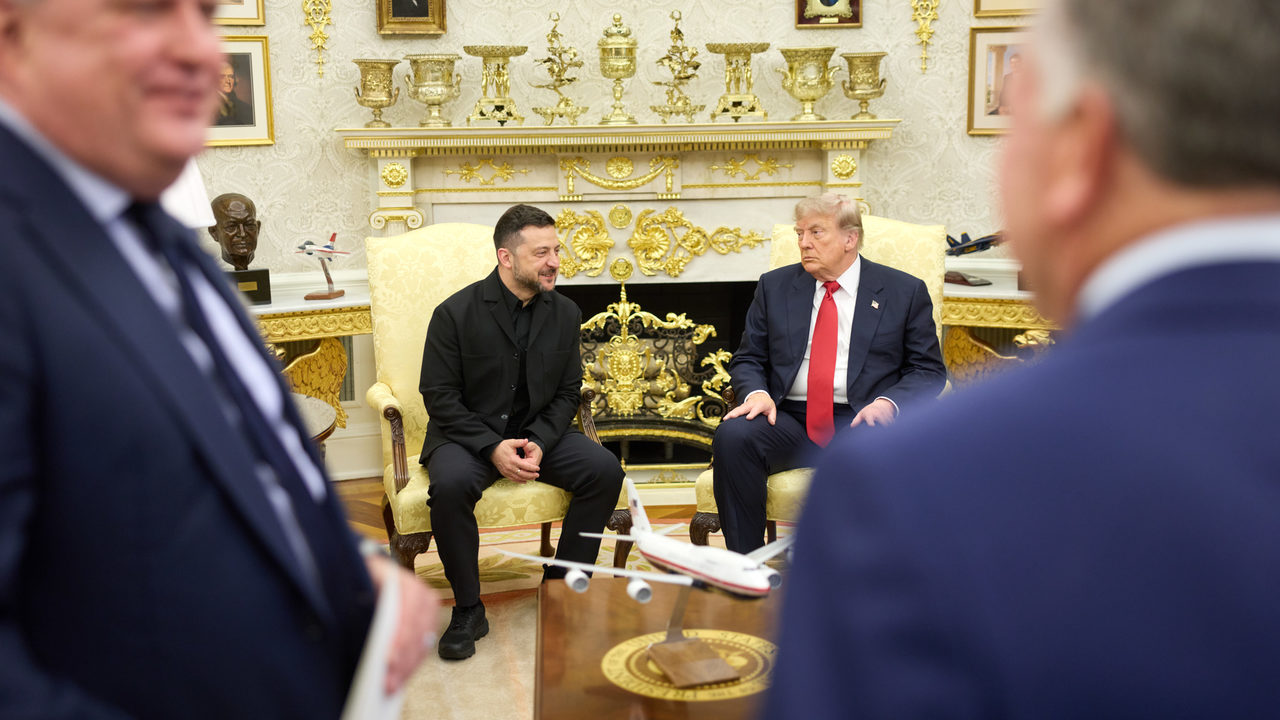
Ukrainian President Volodymyr Zelensky and US President Donald Trump met at the White House on Tuesday for talks the Ukrainian leader described as having gone "well" — free of the public clashes that marred their February 2025 meeting. The closed-door discussion lasted about an hour, but no concrete agreements on Patriot air defense deliveries or a new military aid package were announced.
According to The New York Times, the meeting reflects the warmest relations between the two leaders since Trump returned to the White House. Zelensky visited Washington ahead of attending the funeral of Republican Senator Lindsey Graham, long known as one of Ukraine's staunchest supporters.
Expectations ahead of the talks had been high: Kyiv hoped to secure firm commitments on air defense and to persuade Trump to keep up pressure on Moscow. In the end, no major breakthroughs emerged.
Zelensky said the two sides discussed the possibility of licensed production of Patriot missiles on Ukrainian soil, along with other steps to strengthen the country's defenses, though he offered no further details. The idea itself isn't new — Trump first floated it back at the NATO summit in Ankara in June, when he promised Kyiv a license to produce interceptor missiles.
As analysts have previously noted, any practical effect wouldn't be immediate: setting up Patriot production in Ukraine would take years, while the need for help is urgent. Russian strikes on Ukrainian cities continue, and air defense units are running short of missiles to intercept them.
"The current situation is extremely serious. For Ukraine, time is measured in human lives — every day of delay means more civilian casualties," said Vasyl Zvarych, Ukraine's ambassador to the Czech Republic. According to the Ukrainian Air Force, the shortage of PAC-2 missiles — and especially PAC-3 interceptors, critical for destroying Russian ballistic missiles — is being felt particularly acutely.
Despite the warmer tone, US media note that the relationship between Trump and Zelensky remains clouded by deep mutual distrust. Their first meeting after Trump's return to the White House ended in an open clash, with the Ukrainian president forced to leave the Oval Office before a planned press conference. The Trump administration later temporarily suspended military aid and intelligence sharing with Kyiv.
Adam Sibera, an analyst with The Kyiv Independent, notes: "Relations are unquestionably better than a year ago. Zelensky has proven he genuinely has cards to play — largely thanks to advances in drone technology. And second, Ukraine's position on the battlefield is now considerably stronger than it was last year."
In a recent interview with American commentator Laura Loomer, Zelensky himself pointed to a brief conversation with Trump in the Vatican as a turning point, saying it eased tensions and shifted the tone of their relationship within just a few minutes. The Ukrainian leader also emphasized the growing value of Ukraine's combat experience, particularly in drone warfare — a factor the Wall Street Journal says largely explains Trump's more favorable stance toward Ukraine in recent weeks.
"Trump likes winners," British analyst Edward Lucas has observed. A White House official offered the WSJ a similar take: in the American president's eyes, Zelensky increasingly looks like a symbol of strength rather than defeat. Still, the paper cautions that Trump's position could shift at any moment, and each new meeting with Zelensky remains something of a test for their relationship.
British political analyst Taras Kuzio believes Trump remains under the illusion that both Zelensky and Putin genuinely want peace. Russia, he says, continues to hope for a "Yalta-style" outcome in which the US would effectively hand Ukraine back into Russia's sphere of influence — but that hasn't happened, not last year and certainly not this year, since Ukraine, in his assessment, is winning the war.
No concrete ceasefire plan emerged from the meeting — the two sides agreed to continue consultations at the working-group level. There has also been earlier talk of discussing limits on strikes that could eventually be proposed to Russia as part of a renewed diplomatic process, though this does not involve Western aircraft "closing the skies" over Ukraine, as was discussed early in the war.
Source: seznamzpravy.cz