Křetínský’s LEAG wins Germany’s biggest backup gas plant tender
USD 21,76
Popular
The energy group LEAG, controlled by Daniel Křetínský’s EP Group, has won the largest share of a German tender for building backup power plants. It is one of the most significant orders for stabilising Germany’s energy system and a major business opportunity for the Czech billionaire.
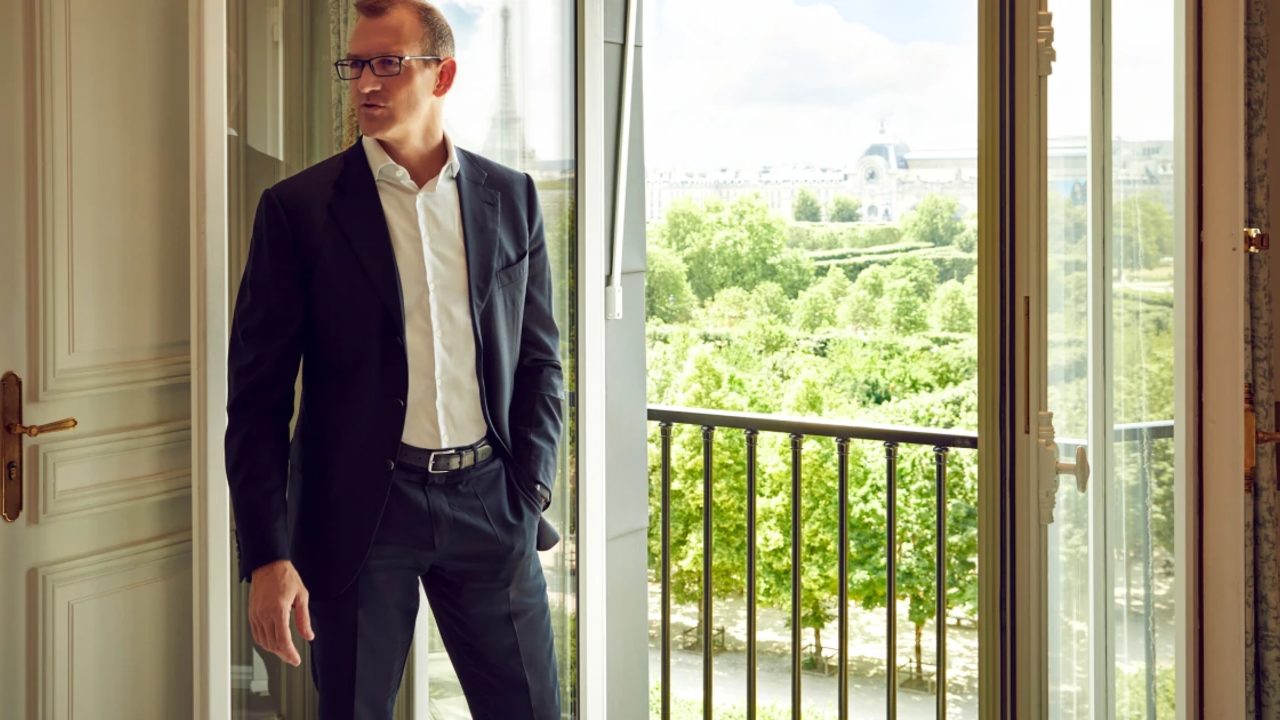
Daniel Křetínský, the second-richest Czech, together with his Slovak business partner Patrik Tkáč, has secured a long-term, steadily profitable business in Germany. The long-term capacity auction run by the Federal Network Agency opened to Czech capital for the first time. The most successful participant was LEAG, owned by Křetínský and Tkáč’s EP Energy Transition, which is part of EP Group, controlled by Křetínský alone.
The scale of the deal. In the first wave of capacity auctions, LEAG received more than half of the volume on offer – €12 billion has been reserved for all winners over the next fifteen years. LEAG will build seven new gas units with a combined capacity of 3.7 GW, and the capacity of the orders it won is about three gigawatts. The second winner was Germany’s RWE, which received nearly all of the remainder.
How it will work. The new units will serve as backup and will offset fluctuations in the grid: the state will pay operators for generation when there is not enough electricity – for example at night, when solar plants are idle, or when the wind is still over the Baltic. After Germany’s exit from nuclear power, they will ensure the reliability of supply. “Winning orders for seven new units in a single competition is a great success,” said LEAG chief Adi Roesch.
The units will be built at the sites of existing, mostly coal-fired plants: four 560 MW units in Jänschwalde (Brandenburg), two of the same size in Boxberg (Saxony), and one more of 320 MW in Leipheim (Bavaria), where LEAG has been operating a gas turbine for four years. Launch is planned before 2031, investment will total €1.5–2 billion, and in future the units will also be able to run on hydrogen.
What it means for Křetínský. According to Forbes, his fortune this year is estimated at CZK 381 billion. Now, for the next fifteen years, he has guaranteed income from the new units. By a rough estimate, based on the winning prices per megawatt-hour and the capacity, additional revenue could reach up to half a billion euros a year, or about €7 billion over the whole term – plus income from selling the electricity produced. However, LEAG will have to pay for fuel, emission allowances, operation, financing and other contractual obligations.
For LEAG it is also a pillar of its decarbonisation: the group traditionally mined lignite and generated electricity at coal plants in Lusatia, and is now turning old coal sites into gas sources with long-term guaranteed income – partly at the expense of German taxpayers. Time is on the side of the Czech-Slovak billionaire.
By the Around Prague newsroom