Wood & Company's Jan Sýkora: plan to wake Czechia, attract talent
USD 21,69
Popular
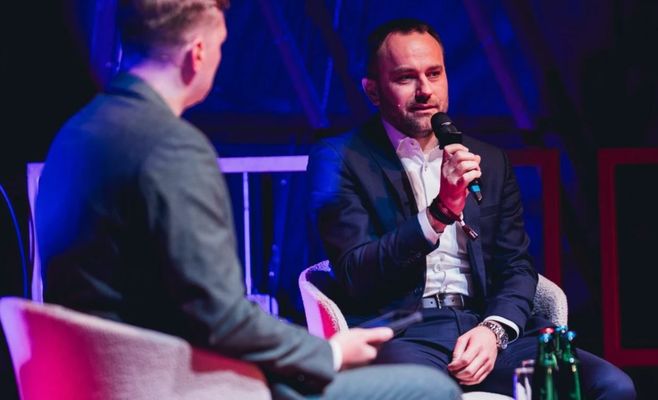
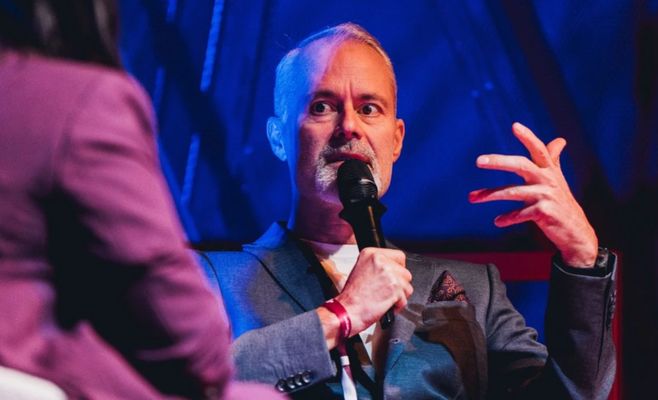
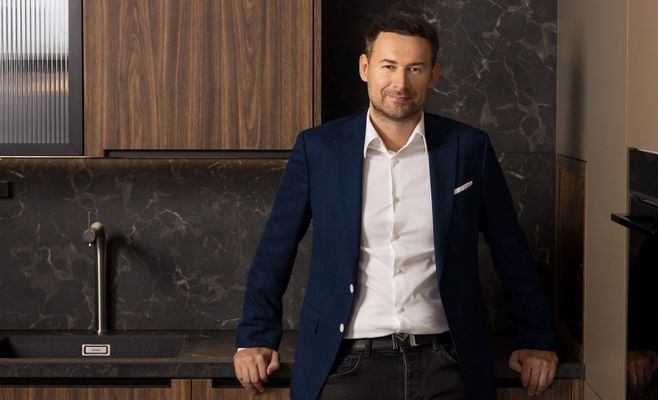
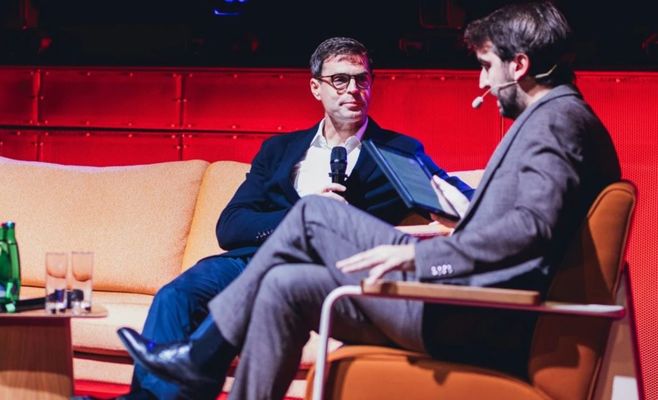
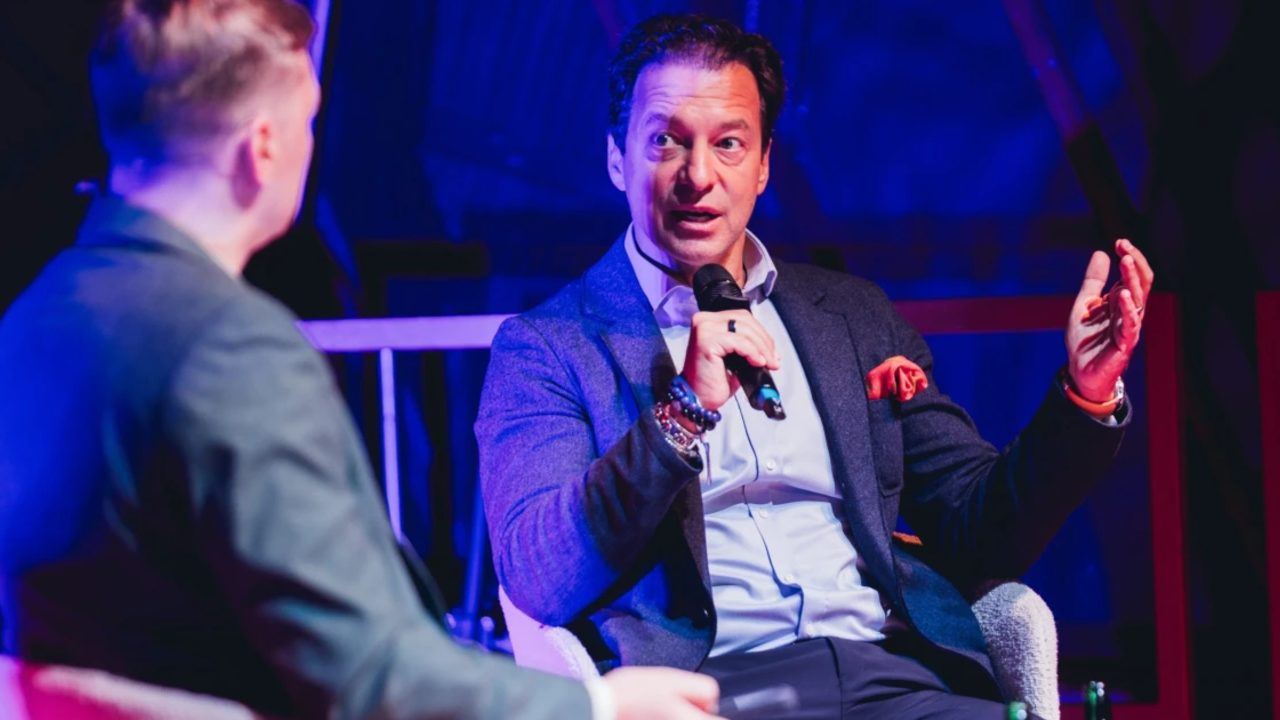
Jan Sýkora, co-owner of the investment giant Wood & Company, has proposed an ambitious plan to the state for turning Czechia into a country that attracts talent and capital. He shared his ideas at the Forbes “Better Czechia” conference in Karlovy Vary, where he discussed with Tünde Barta, head of the Government Office, how the state can help business.
“We live in one of the best places in the world, but we don't know how to sell it. We are a bit like Sleeping Beauty, and we need a nudge,” Sýkora said. He noted that those in power are at least ready to listen to business, and he called his concept a “Czech renaissance”.
The hunt for talent. One of the key tools, in the businessman's view, is population growth and attracting global specialists. Sýkora suggested tasking Czech ambassadors with identifying 50 to 100 supertalented people every year and issuing them visas right away, so they can later be brought into universities or as investors. According to him, Dubai, Italy and Switzerland already do this. For comparison: in 2024 there were almost 830,000 foreigners in Czechia, but only about a tenth of them can be considered experts in their field, and a quarter usually leave after two years. The package of proposals includes a work permit issued within 30 days and a fast track to citizenship for those with a proven track record: work or their own business, taxes paid and a clean criminal record. Czech universities could serve as the gateway — under this plan the state could attract up to two thousand of the best students from abroad.
Capital to the stock exchange. The talk also turned to the first ETF of the Prague Stock Exchange, launched about a month ago together with Wood & Company. It includes ČEZ, Erste Group Bank, Komerční banka, Moneta Money Bank, CSG and Colt CZ. “We Czechs are world champions in saving. We have four trillion crowns sitting in banks, and fees and inflation eat it away like termites,” Sýkora stressed. By his calculations, if Czechs had put at least 40% of their savings into investments thirty years ago, as Germans did, citizens' wealth today would stand at 10–12 trillion crowns. He expects a serious revival of the market if the state brings to the exchange, for example, 49% of ČEZ Energy, Václav Havel Airport Prague or a significant part of state-owned real estate.
Czechia's digital twin. For the conference Sýkora prepared a 36-page document, which also reached the head of the Government Office. Among its goals is to catch up with Estonia's level of digital services. The flagship project could be a “digital twin” of the country — a living model of how Czechia functions. “The biggest step toward surpassing Estonia is to stop reforming the state on the basis of impressions and start doing it on the basis of data and evidence,” he says. A reform could first be tested on the model to see what it would save and whom it would affect, and only then would the law be changed. In Sýkora's view, the project can be paid for from funds the state already spends on the digital agenda, and Czech universities, led by CTU and Charles University, could handle it.
A school reform in a single letter. The businessman closed his speech with an unexpected proposal: “Let's abolish the hard and soft ‘i’ in schools. We'll pick one and gain around four hundred hours of extra time for children and teachers — to spend on foreign languages, critical thinking or AI.”