Lipoelastic and Tomáš Hradil: Czech family firm sold to JSK
USD 21,76
Popular
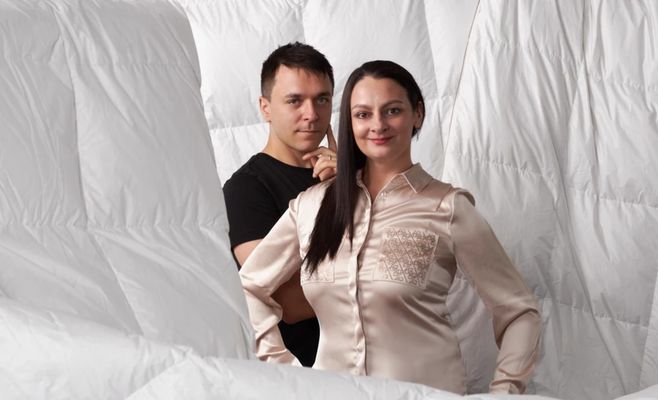
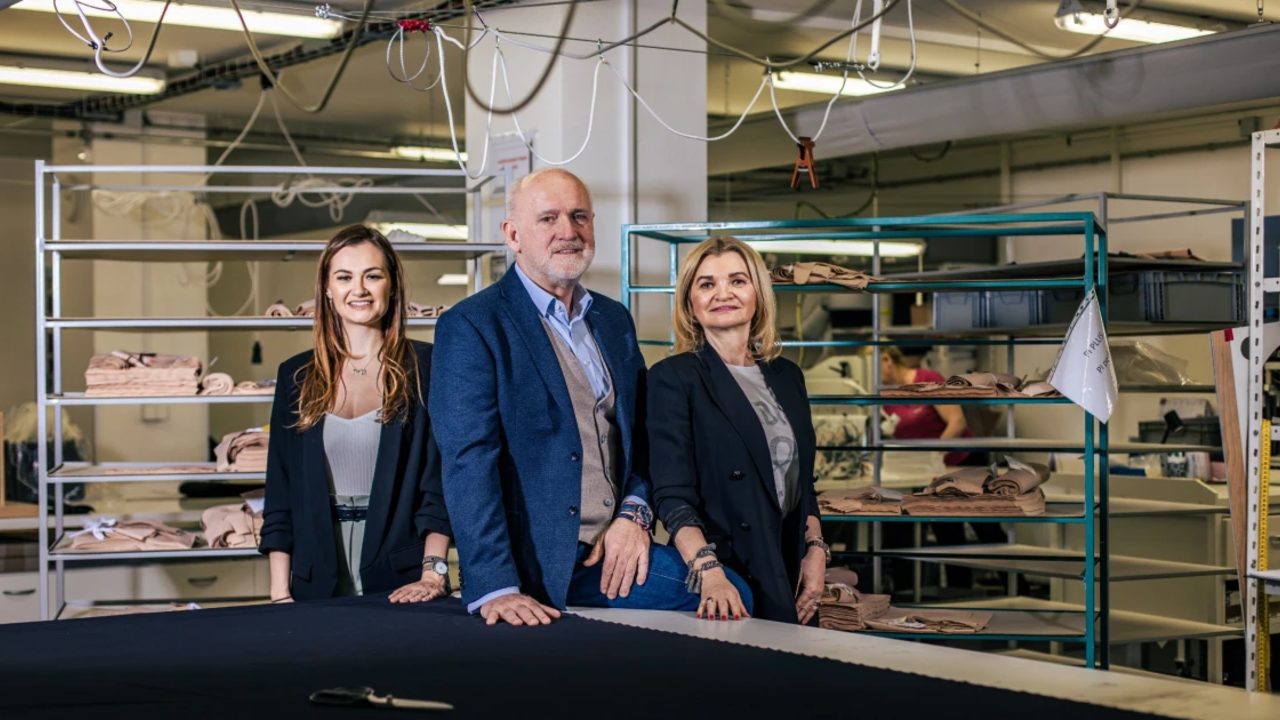
Lipoelastic, a Czech family company owned by the Hradil family that makes specialist compression garments for plastic surgery patients, is changing hands: a majority stake is going to Simona Kijonková’s JSK Investments fund. Tomáš Hradil remains one of the faces of the company, and he sets a clear goal: to reach one billion crowns in consolidated revenue by 2030 at the latest.
Impressive numbers
In 2025, the Hradil family company’s revenue exceeded 600 million crowns. The parent company alone reported revenue of 440 million and net profit of 60 million. For comparison, its profit in 2019 was around nine million crowns. In recent years Lipoelastic has been growing by roughly ten percent a year.
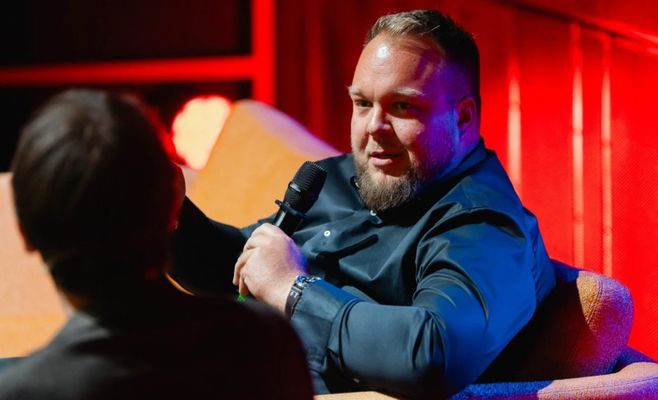
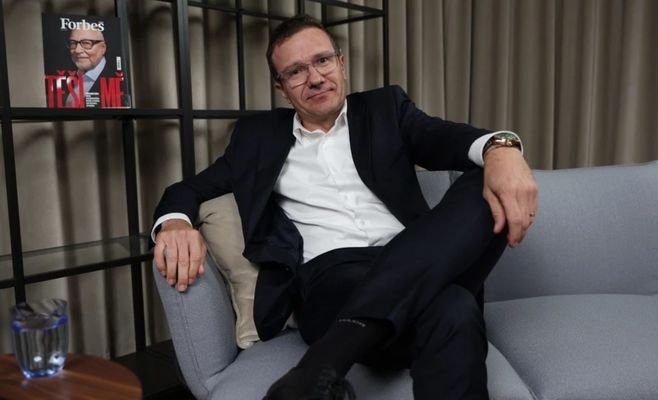
“By 2030 at the latest we should reach a billion crowns in consolidated revenue. Real business only begins at a billion,” Tomáš Hradil said in a 2025 interview with Forbes.
A market that knows no crises
The global market for aesthetic procedures grows every year, according to data from the International Society of Aesthetic Plastic Surgery (ISAPS). Interest is rising in Europe too. In Germany, now Lipoelastic’s strongest market, more than 626,000 surgical procedures were performed last year, 200,000 more than four years ago. Liposuction is growing fastest: in 2025 more than 111,000 people in Germany had it, thirty thousand more than in 2020. In Czechia, 28,000 people underwent liposuction last year.
Two bets on the future
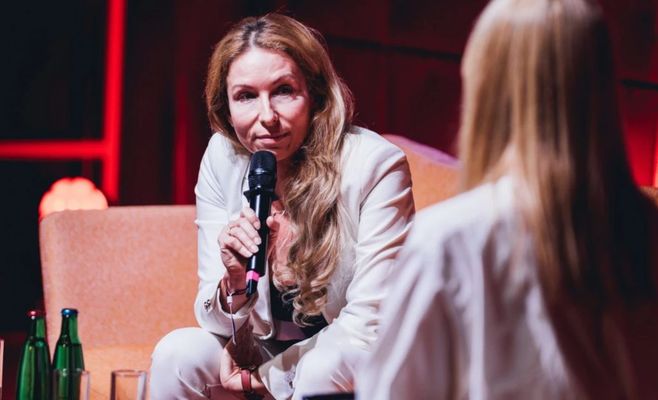
According to Alena Hradilová, the company has two main growth areas. The first is lipedema, a chronic disorder of fat tissue affecting about five percent of the population; the only treatment is liposuction, and therapy also includes compression before and after surgery. This is exactly what Lipoelastic’s specialist garments are made for.
The second is weight loss with the GLP1 hormone. After such therapy patients are left with excess loose skin, which is uncomfortable both aesthetically and physically, so many consider surgery to remove it. “I see a big future in this over the next two years,” says Hradilová.
Production and expansion
Among the best-selling products are special bras for after breast surgery and shaping bandages after liposuction and abdominoplasty; they are ordered mostly by women, but increasingly by men too. The main factory is in Valašské Meziříčí, and the company recently also invested in a plant in Púchov, Slovakia. It has its own branches in seven European countries and supplies every country in Europe.
The next step is France: its demand is comparable to Germany’s, but the company has no presence there yet. “We want to change that,” says Tomáš Hradil. Europe accounts for about seventy percent of output, while the remaining thirty percent goes to other parts of the world, including Australia, New Zealand, the US and South Africa.
By the Around Prague newsroom