Tomáš Vondráček: Actum Digital grows from a basement studio
USD 22,01
Popular
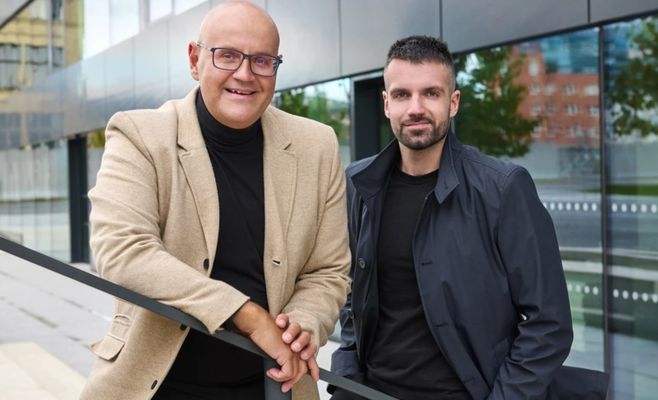
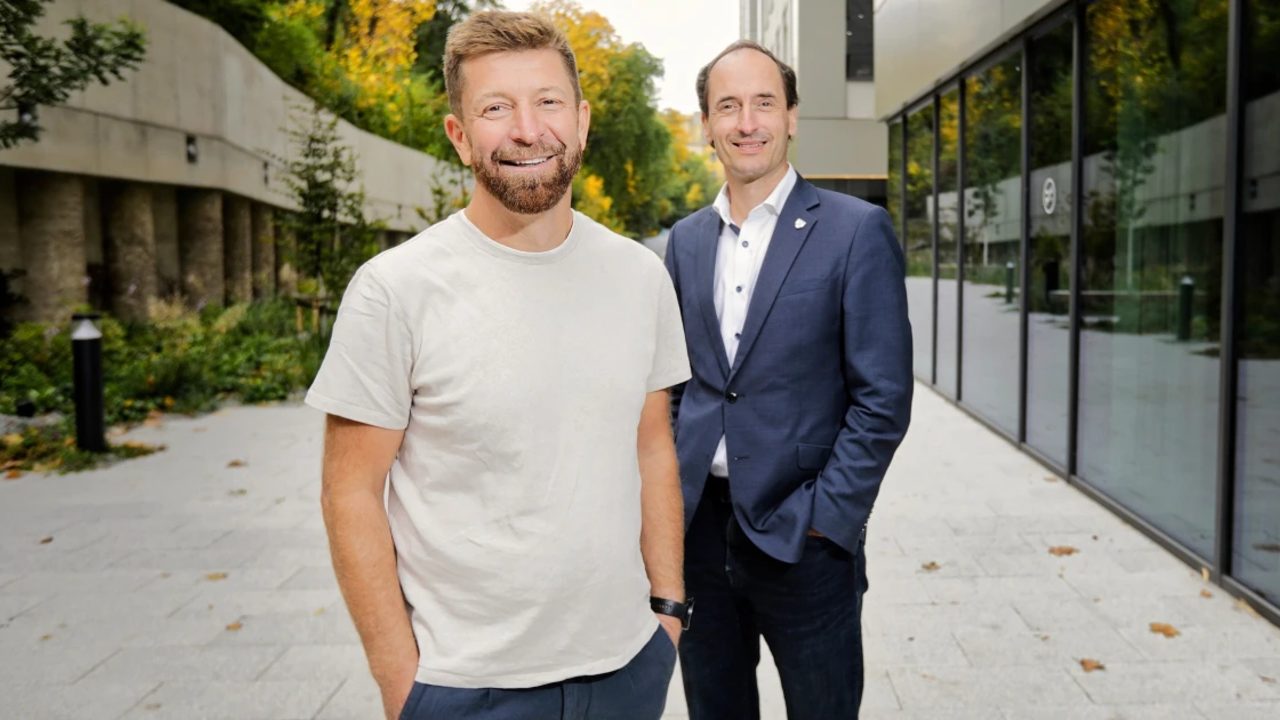
The Czech group Actum Digital is turning thirty: a studio that began in a basement with no windows and no phone now helps Czech and global companies change their business with technology and data. CEO and majority owner Tomáš Vondráček and co-founder Jan Havel told Forbes how the company evolved from its first websites to artificial intelligence.
The principle remains the same: technology must bring clients real value. According to Vondráček and Havel, AI today opens up possibilities that were unimaginable just a few years ago.
From a student studio to international clients
Actum was founded in 1996 by Jan Havel together with university friends Ratibor Libal and Petr Haloupka, when it was still a student web studio. The first client was Meibes, and the deal was led by Zdeněk Kratochvíl. Havel recalls with a smile that he was invited to the first offices, a windowless basement, but the cooperation turned out to be a long one anyway.
At that time Tomáš Vondráček was running the creative agency WMC. At the turn of the millennium he passed Actum an invitation to tender for a website for the retail chain Carrefour, and in 2001 the company won a breakthrough client. According to Havel, it was the first retail chain website in the Czech Republic written entirely by the team on its own. The site was well received in Portugal, Slovakia and Switzerland, and Actum began travelling to clients across Europe.
The international side grew stronger after Petr Haloupka left the business in 2010, when Vondráček joined the owners. “We met at the right moment,” he says, adding that their expectations may not have matched perfectly, but the partners understood each other well on values. Clients later included Metro Cash & Carry, Innogy, Schott and Christie’s, and inside the company people switched to English and began invoicing in euros.
In 2020 the name Actum Digital resounded across the Czech Republic thanks to the #znamkamarada hackathon, where volunteer developers built an alternative system in 48 hours.
Figures and market mood
The market is changing, and the results show it. The group has not yet reached its planned mark of one billion crowns in revenue: in recent years turnover has stayed at around 750 million crowns a year. This year the company expects similar revenue, but with improved internal economics and higher profitability.
Jan Havel notes that in recent years clients postponed big projects and pressed for speed, efficiency and price, but since about the summer the mood has been shifting. In his words, there is no longer any point in clients waiting, because the difficult economic and geopolitical situation will not be resolved quickly, and technology is advancing in such leaps that transformational projects that once made no economic sense are becoming feasible. Delaying innovation further raises the risk that a competitor will race ahead.
Vondráček is convinced that the “turning point” is behind them. The company has focused on the quality of its business and on where it truly creates value for clients, is doing more interesting projects than ever, and expects this to start showing in the numbers from next year. He especially enjoys working with Czech firms that want to build a strong, long-term business on data.
An anniversary in Karlín
Actum is celebrating its thirtieth anniversary with optimism: on 26 November, clients and employees who have been part of the company’s history will gather at its headquarters in Prague’s Karlín. Zdeněk Kratochvíl, with whom work on the first client began, is expected to be among the guests.
By the Around Prague newsroom