2024 Pardubice Train Collision: Inspectors Blame Not Just the Driver, But the Transport Ministry Too
USD 21,04
Popular
The tragic train collision in Pardubice in June 2024 was not solely the fault of the train driver — a systemic failure by the Czech Ministry of Transport also played a role. That is the conclusion reached by the Czech Rail Inspection Authority in the draft of its final report, according to an industry news portal.
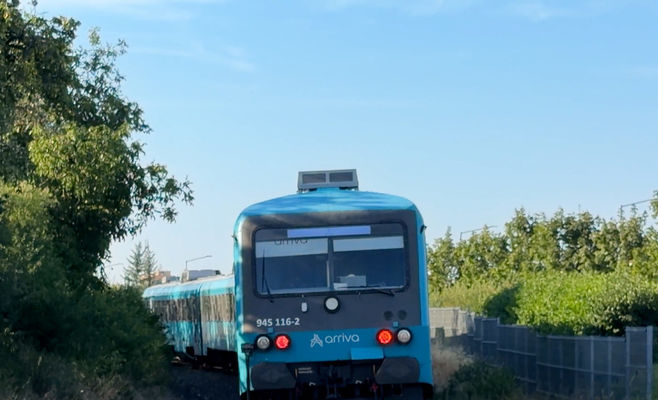
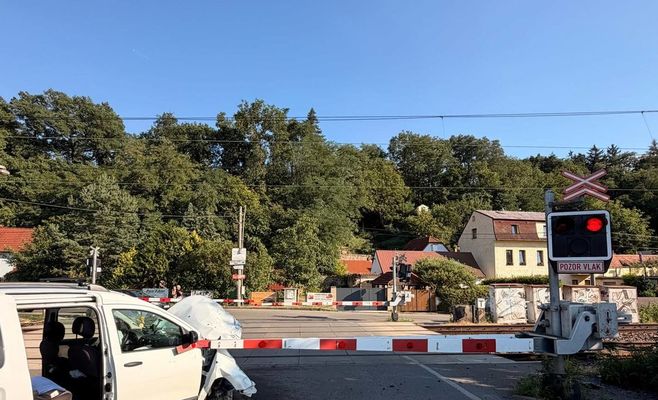
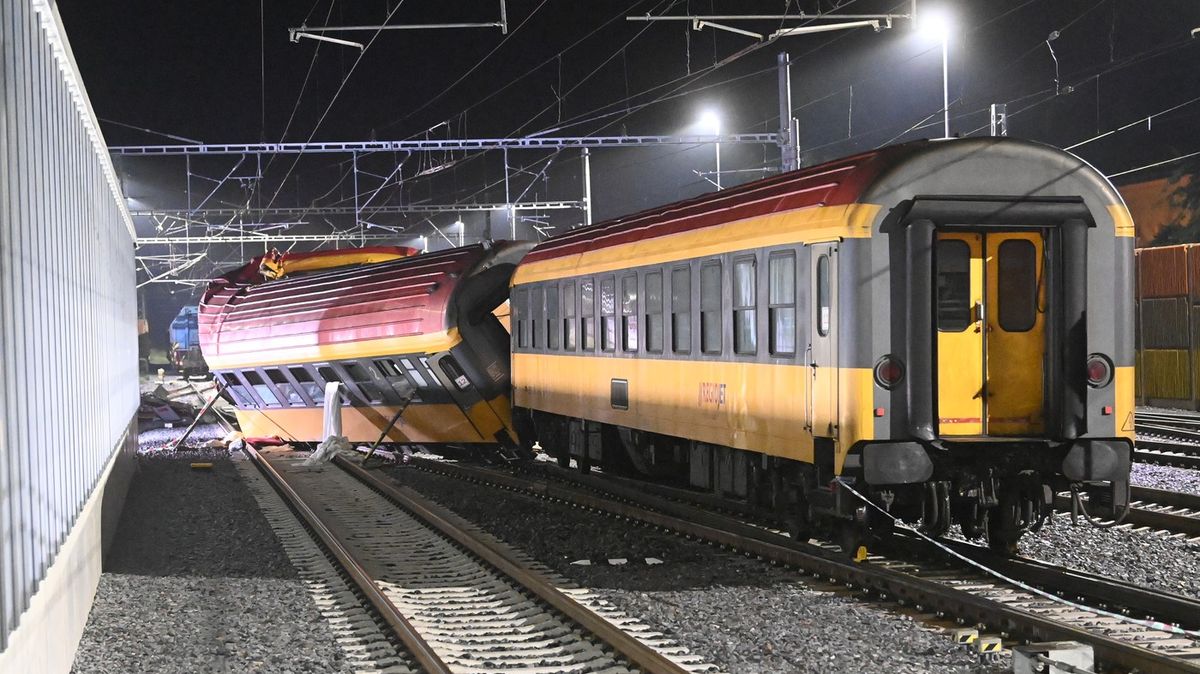
The accident occurred on 5 June 2024, when a RegioJet express train departed Pardubice station, passed a red signal, and collided with a freight train. Four women died in the crash — two from Slovakia and two from Ukraine — and 22 others were injured. Damages exceeded 150 million crowns. RegioJet owner Radim Jančura acknowledged the express train driver's fault as early as last year.
The inspection found that at the time of the crash, the station was effectively operating without a fully functioning safety system. The new pan-European ETCS standard had not yet been activated on the main track, even though the equipment had already been installed following the modernisation of the rail junction — activation was planned for a later date. Meanwhile, the national train protection system, which could have prevented the collision, had also been switched off.
The reason, investigators say, was a direct instruction from the Ministry of Transport: under the so-called implementation plan, the ministry had decreed that, starting in 2024, modernised stations were barred from activating the national safety system until ETCS was fully operational. "This rigid deadline meant that ready-to-use elements of the national protection system's trackside infrastructure went unused, and the station equipment at the accident site was operating at a lower level of safety than before the reconstruction began," the Rail Inspection Authority's findings state.
The portal notes that this deadline was set by the ministry back in 2017, when Dan Ťok of the ANO party held the post of transport minister and Jindřich Kušnír — who still heads the department today — led the railway division.
Had construction work been completed on the original schedule, the safety system would have been up and running in time — but the project fell behind. According to the inspection, the infrastructure needed to launch the protection system was, in effect, ready to go. "Components of the station equipment that had been purchased and prepared for transmitting the protection system's code signal remained unused and were never connected, for purely administrative reasons," the report states. The rigid deadlines set out in the national implementation plan have been deemed a mistake, and the ministry has been advised to minimise, as much as possible, any period during which new infrastructure operates without a functioning train safety system.
As the portal explains, unlike ETCS, the national protection system cannot automatically stop a train before a signal. However, it does relay signal information to the driver's console and triggers an alarm if a stop signal is passed illegally — which could have given the drivers of both trains extra time to react and might have prevented the collision. Comment from the Ministry of Transport is still being sought.
Source: seznamzpravy.cz