Beavers Are Saving Czech Rivers from Drought: The Example of Kateřinský Stream
USD 21,62
Popular
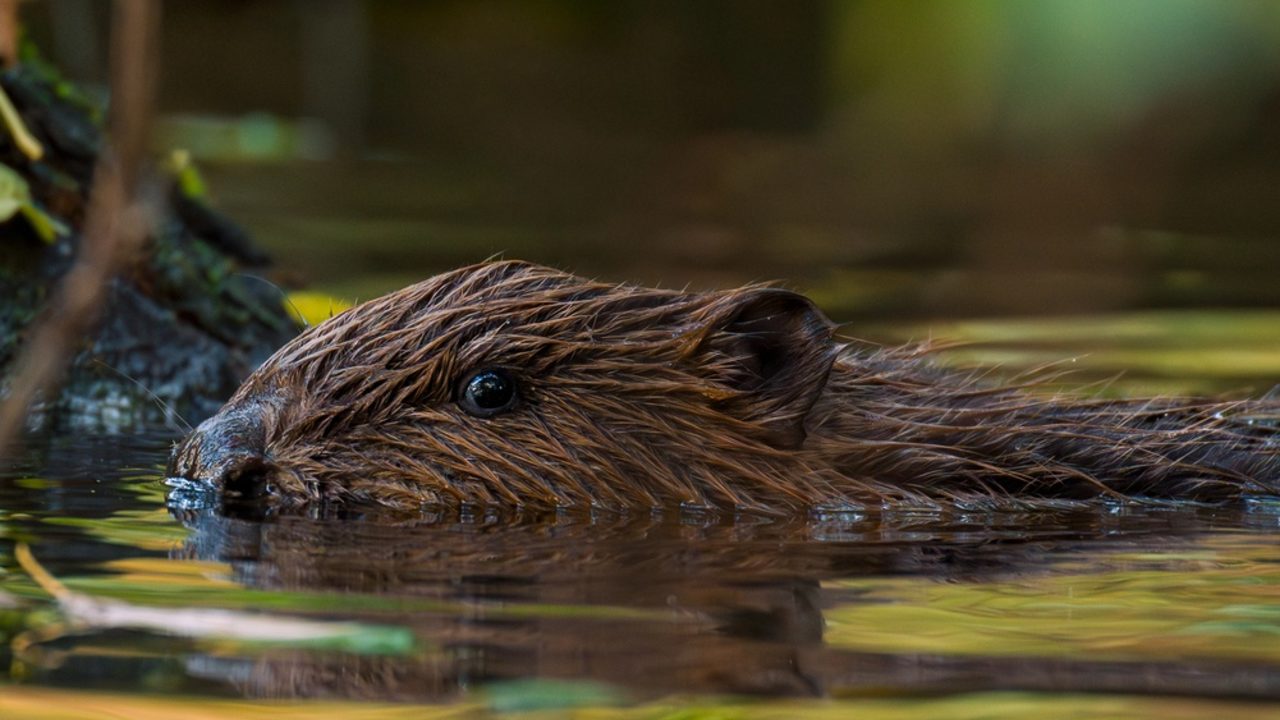
The European beaver, which returned to Czech nature some 25 years ago, has proven more effective than state programmes in tackling drought and flooding — that's the conclusion of one ecologist examining the situation along the Kateřinský stream near the village of Hoštka, not far from Rozvadov.
Central Europe's largest rodent was once hunted almost to extinction. Beavers returned to Czechia from the west, spreading from Germany, where conservationists had deliberately bred the animals and reintroduced them into rivers.
From pest to hero
When beavers began building their first dams, flooding floodplain meadows that had previously served as drainage channels, it sparked outrage among landowners, farmers, foresters and cottage owners. The animals were blamed for waterlogging fields, clogging land-reclamation systems, damaging roads, and even blocking a culvert beneath a railway embankment on the line to Munich.
Yet, according to the article's author, the beaver has unwittingly become one of the finest water-management and ecosystem-restoration specialists around. Wherever beavers settle, natural water reservoirs appear that function as natural filtration systems — replenishing groundwater and surface water reserves and turning the surrounding area into a genuine oasis of life.
These same dams help hold back increasingly frequent downpours and local flash floods, often more effectively than many official flood-prevention measures adopted by towns, municipalities and the government.
A private reserve where beaver dams once stood
A vivid example can be found along the Kateřinský stream near the village of Hoštka by Rozvadov, where beavers have been at work for more than 20 years. In 2020, the conservation association DES OP bought the first plot of floodplain meadow, covering 5.6 hectares, from land speculators.
Later, thanks to an initiative by association member and renowned pathologist Professor Ondřej Hes and his colleague Professor Michal Michal, the Eden Foundation was established, which went on to acquire additional land. The result is a unique private nature reserve spanning more than 25 hectares — a place where nature is not controlled by humans, but respected.
Thanks to this approach, there is always enough water here, even amid the heat and moisture shortages now being felt everywhere. The author stresses that without beavers, the damage caused by extreme weather events — both droughts and floods — would be far greater than it is today.
Source: ekolist.cz