Related news
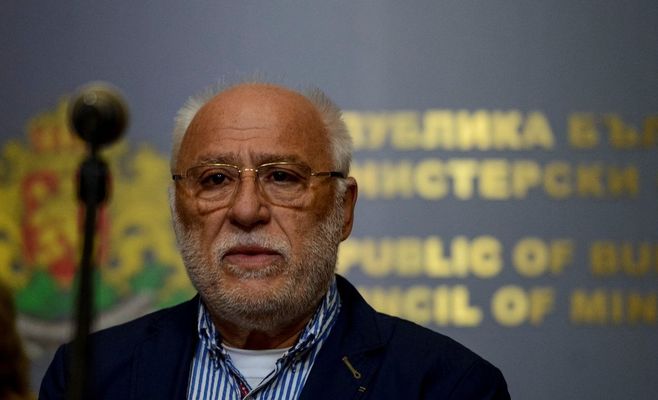
A fire broke out at a military production and storage complex near the town of Tryavna in Bulgaria, followed by a series of ammunition explosions. The incident occurred shortly before noon, and around 300 workers were evacuated from the pla
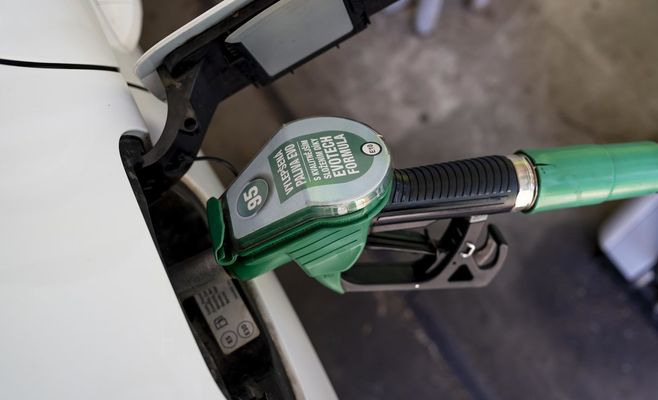
Prices for petrol and diesel at Czech filling stations are set to drop by at least CZK 1.50 per litre over the next two weeks. That's according to Finlord analyst Boris Tomčak, who noted that wholesale prices for both types of fuel have fal
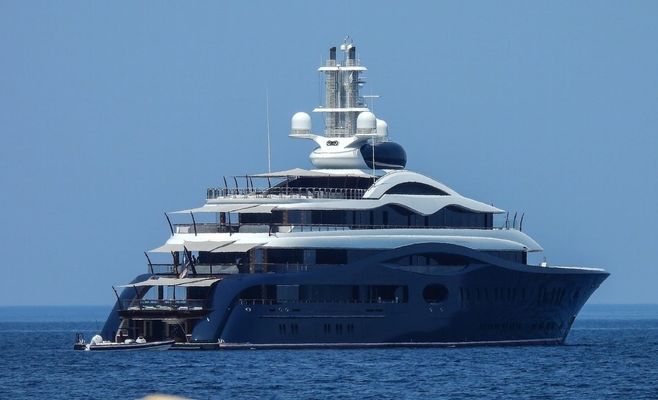
Off the coast of Alaska, a yacht belonging to Meta founder Mark Zuckerberg failed to respond to a distress call from a vessel that had run out of fuel. The incident took place on the route between Petersburg and Juneau, and it was ultimatel
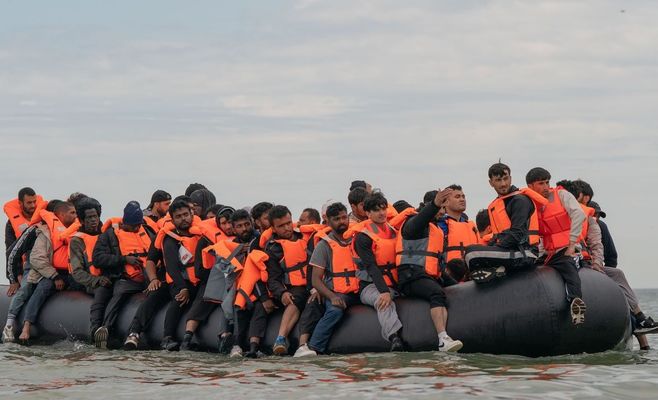
A new record has been set in the English Channel: a single small boat carried 230 migrants to the UK — the largest number of people ever found aboard one vessel since records began. Smugglers are cutting the number of crossings to avoid the
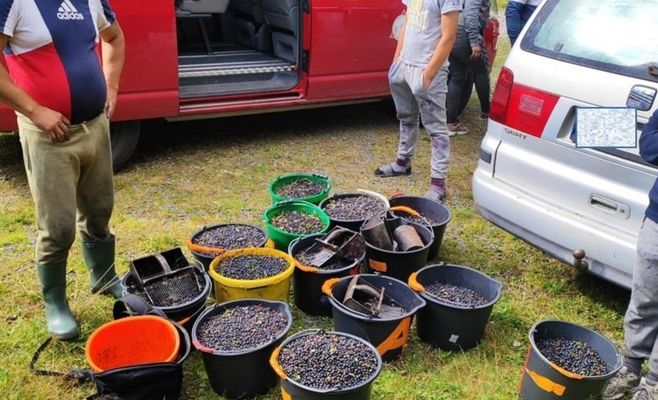
On Saturday, a brawl broke out in the woods near Churáňov hill in Šumava between two cyclists and a group of blueberry pickers. According to Jiří Matzner, spokesman for the South Bohemian Region police, officers were called to the scene aft
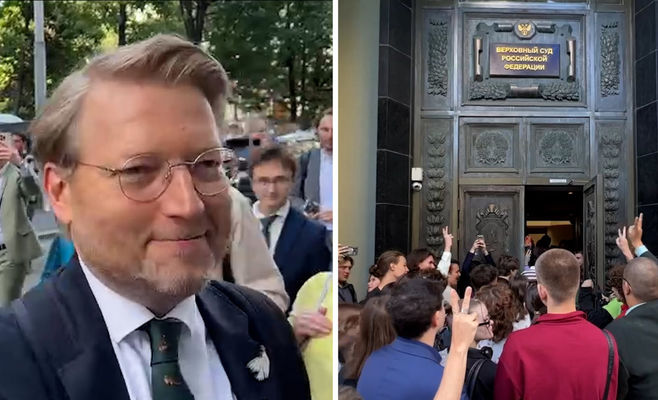
A Russian court is hearing an administrative lawsuit seeking to bar the Yabloko party from the State Duma elections — the opposition movement stands accused of receiving foreign funding for its campaign. Party chairman Nikolai Rybakov categ
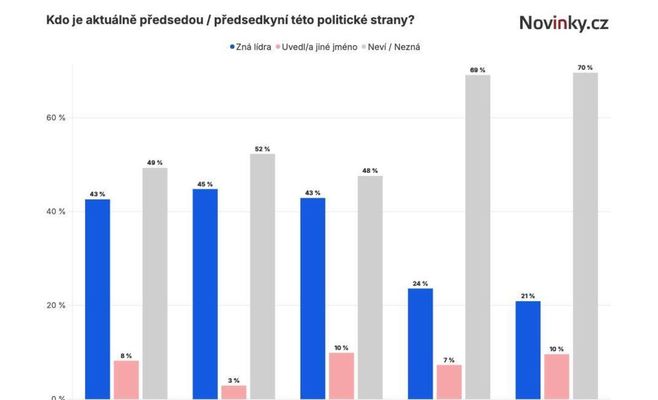
A new poll has revealed that a large share of Czech society has no idea who currently heads the country's biggest opposition parties. According to the survey, fewer than half of respondents could correctly name their party's sitting chairma
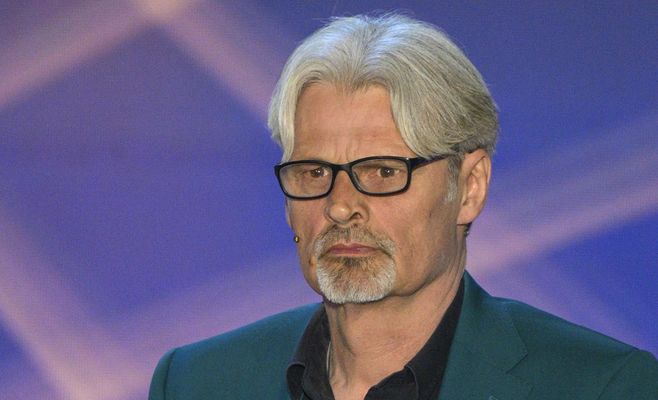
Former Czech national team forward Tomáš Skuhravý has found himself in serious financial trouble — his total debts now exceed 8.7 million crowns. The Blesk portal has published details, including exact figures and the origins of the mountin
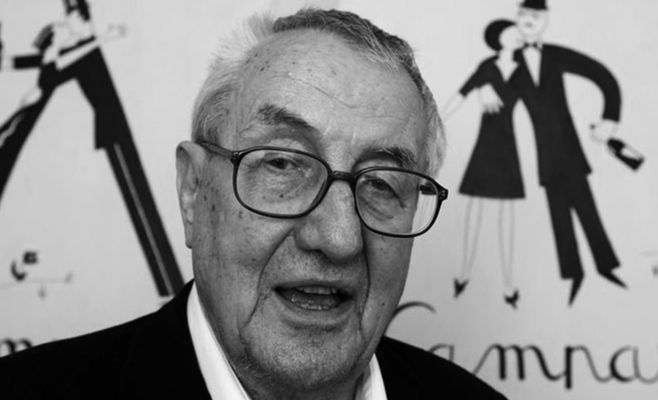
Renowned Czech writer Vladimír Páral died in the early hours of Monday at a hospital in Cheb — the news was confirmed by his friend Jaroslav Beneš. According to media reports, the writer had spent a long time at home recovering from an inju
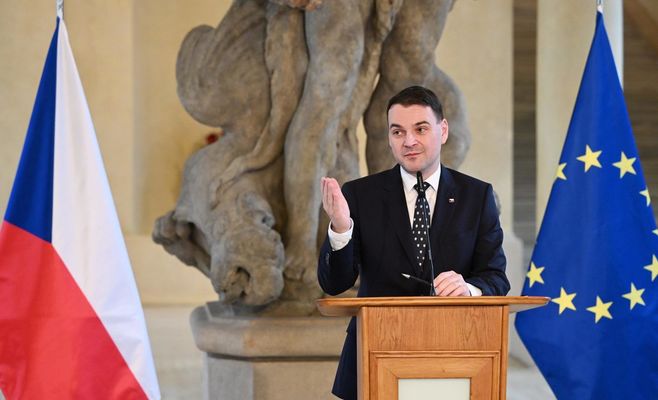
The Czech Ministry of Foreign Affairs is continuing to renew its vehicle fleet — a process launched under former minister Jan Lipavský — and has signed a framework agreement with Škoda Auto for the supply of electric SUVs worth 8.8 million
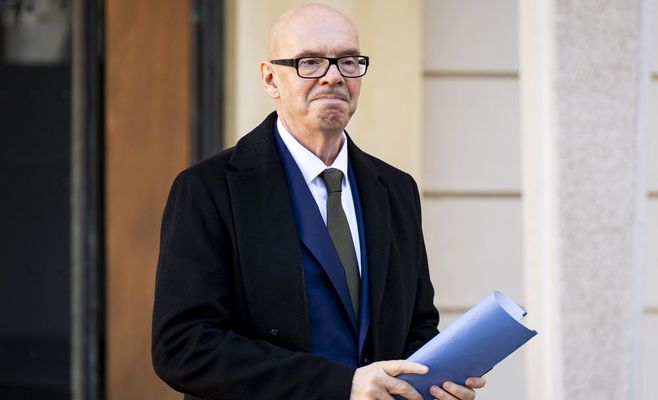
Professional associations from the cultural sector have sent an open letter to Andrej Babiš's government demanding the withdrawal of the draft new State Cultural Policy prepared by the Ministry of Culture under Oto Klempíř (Motoristé). The
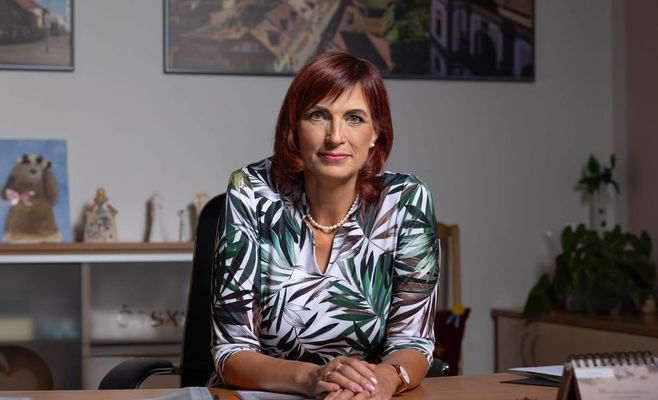
Jitka Volfová — a member of the Czech Chamber of Deputies, mayor of Česká Lípa, and regional councillor from the ANO movement — has announced her candidacy for the Senate in the Česká Lípa constituency, which also covers parts of the Libere