Budvar CEO: Czech beer market risks a "German scenario," as brewery prepares a pricier non-alcoholic beer
USD 21,00
Popular
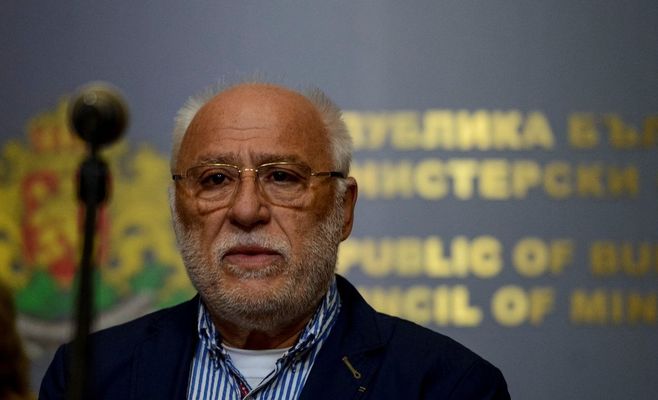
Budvar CEO Petr Dvořák has warned that the Czech beer market is heading down a dangerous path reminiscent of Germany, where beer has become a cheap commodity product. He made the remarks in an interview, noting that the share of beer sold on tap in Czech pubs and restaurants is shrinking rapidly, while supermarket sales are increasingly dominated by discount promotions.
According to Dvořák, over the past 25 years the share of draught beer sold in bars and restaurants has fallen from 53% to roughly 25%. Meanwhile, German supermarkets have failed for a quarter of a century to break through the psychological barrier of 9.90 euros per pack of beer, which squeezes brewery profitability and investment in the sector. "Beer is becoming a less and less interesting product," said the Budvar chief, contrasting the situation with Germany and England, where beer has instead become a premium product.
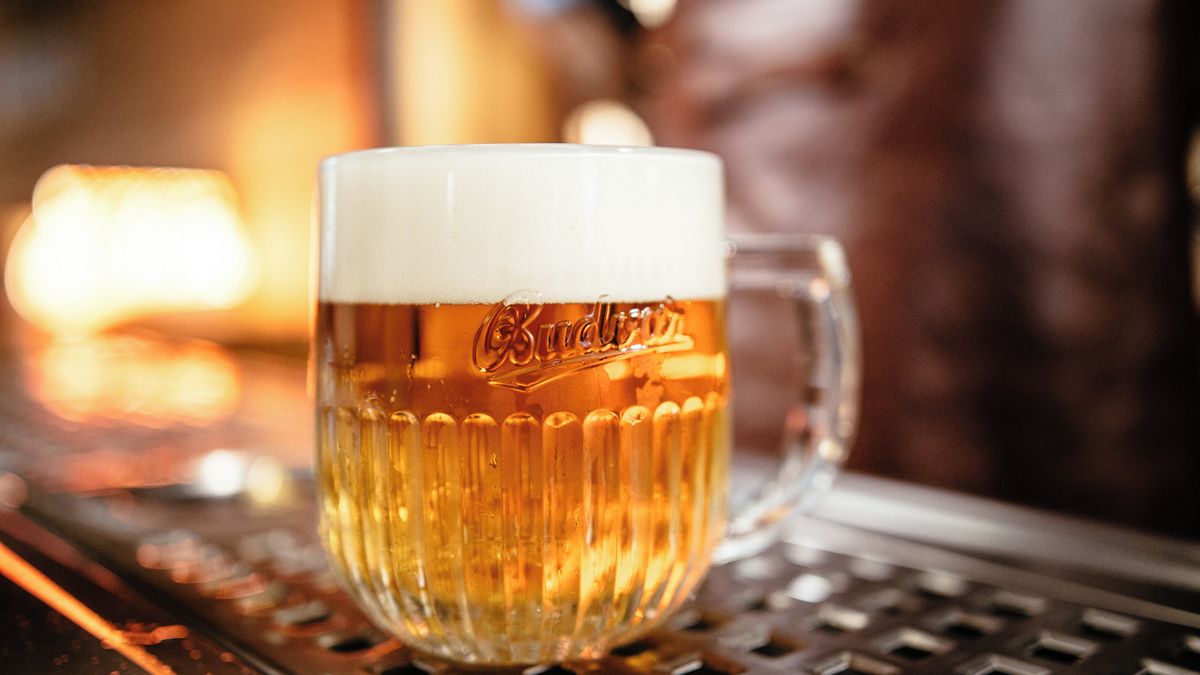
Bucking the retail sector's overall trend toward cheaper beer, Budvar is preparing to launch a new non-alcoholic beer that will be noticeably pricier than its rivals on the market. What sets it apart is the production method: unlike most non-alcoholic beers, which are essentially unfermented brews, Budvar's version goes through a full brewing cycle just like a regular lager, with the alcohol removed only afterward. "It tastes like beer, smells like beer — it's just more expensive," Dvořák explained. The company hasn't disclosed a specific price yet, but stresses it will be higher than standard non-alcoholic brands. The new product has already been rolled out on export markets, and will reach the Czech market later, due to pricing considerations.
Per Budvar's chief, non-alcoholic beer currently accounts for around 10% of the entire beer market, though Budvar's own share of that segment lags behind the market average. The company admits it hasn't reacted to this trend as vigorously as it should have, and intends to catch up.
On pricing, Dvořák offered a telling comparison: 25 years ago, a bottle of "desítka" (a 10-degree lager) cost around 8.90 crowns in stores, while today, even on discount, it costs 10.90 crowns — a rise of just 2 crowns that doesn't even keep pace with inflation and rising costs. The picture in bars is different: as recently as four years ago, people were debating whether beer would ever hit 60 crowns a pint — now that price is already a reality. Where a bar patron might once have downed five or six pints, today, at around 70 crowns a pint, that would cost 420 crowns, making a night at the pub considerably pricier than it used to be.
Dvořák also noted that more than half of the beer sold through retail chains now goes at promotional prices, making it hard to even speak of "standard" pricing anymore — a trend seen not only in Czechia but also in Germany and worldwide. He pointed out that a significant chunk of beer's price is taken by the state through VAT and excise duties, another chunk goes to retail chains, and what's left goes to the brewery — which is often far from the strongest link in that chain.
Despite an overall drop in beer consumption in Czechia to historic lows, Budvar has been growing for the past two to three years, both domestically and through exports — last year alone, the company entered the markets of New Zealand, India, Oman and Tanzania. The brewery plans to funnel profits more aggressively into production development: a large-scale investment program worth several billion crowns is in the works, including replacing at least two production lines (each costing roughly 300 million crowns) and expanding cellar capacity for beer aging.
Read also: U Černého vola: the Hradčany pub where the clocks stopped in 1965
Source: seznamzpravy.cz