USD 21,23
Popular
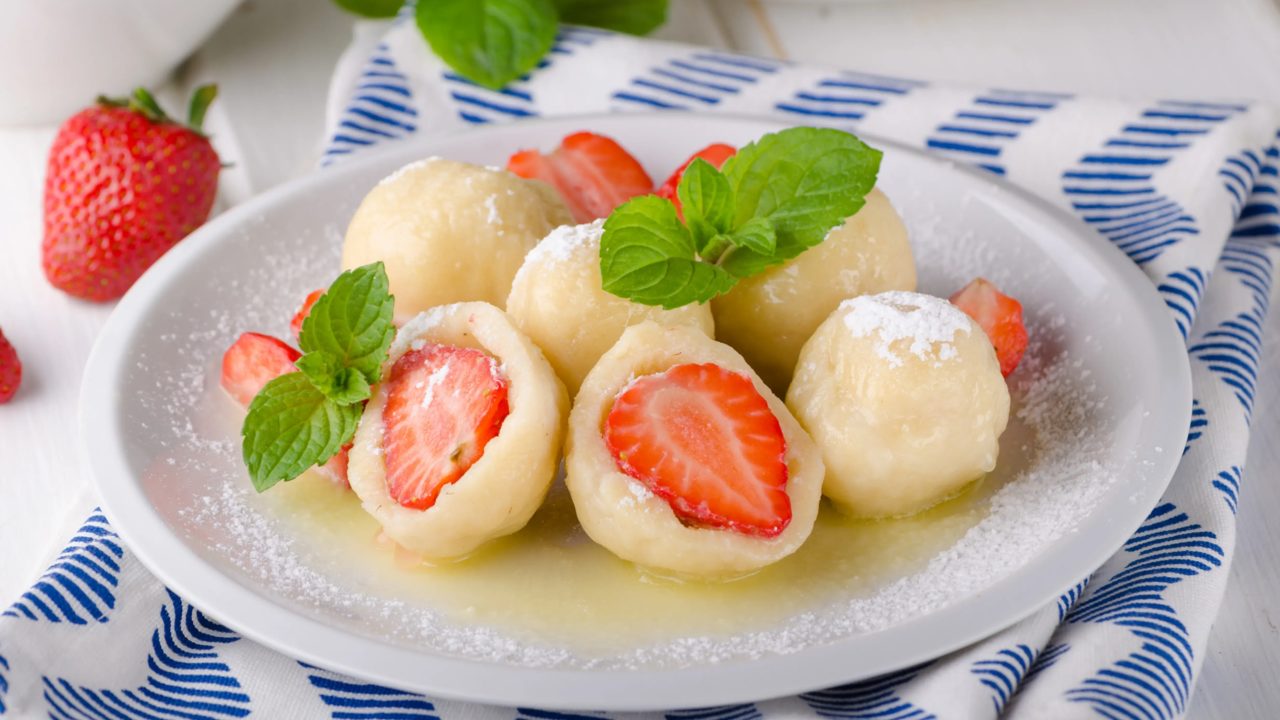
Fruit dumplings (ovocné knedlíky) are one of the most recognisable dishes of Czech and Central European cuisine, yet culinary experts agree there is no single universal dough recipe: strawberries, apricots and plums each call for a different kind of base.
The earliest written mentions of fruit dumplings in the Czech lands date back to the 19th century, when they appeared in old cookbooks. A major role in popularising the dish was played by the cookery writer Magdalena Dobromila Rettigová, who described several variations of sweet fruit dumplings. Later, the recipes expanded further thanks to regional traditions and locally available produce.
In the past, dumplings served as a hearty main course during the harvest season: strawberries, apricots, plums and blueberries were readily at hand, and this sweet dish could feed the whole family at once. Today they are more often enjoyed as a seasonal treat.
According to chefs, each type of dough behaves differently and pairs best with a particular fruit. Yeast dough produces light, fluffy dumplings — the perfect choice for plums, apricots or larger strawberries, though it takes time to rise. Curd (tvaroh) dough is the quickest option: it stays soft even after boiling and works wonderfully with smaller fruits, without the fuss of working with yeast. Potato dough is denser and holds its shape well, which is why it is traditionally used for plum dumplings — the key is to use well-chilled boiled potatoes with no excess moisture.
As for the filling, strawberries, apricots, plums and blueberries remain the classics, while small plums, sweet cherries and sour cherries also work well. The fruit should be ripe but still firm — overripe fruit releases too much juice during cooking, which can cause the dough to split. Plums are traditionally filled with a lump of sugar or a pinch of cinnamon, apricots are usually sweet enough on their own, and strawberries win over with their natural juiciness.
Common mistakes include dough that is too watery, which tends to fall apart during boiling, and too much flour, which makes the dumplings tough. It’s also important not to overcrowd the pot — dumplings that stick together lose their shape. And once cooked, they shouldn’t be left unpricked for too long, as hot steam builds up inside.
Despite the trend for elaborate flavour combinations in modern gastronomy, fruit dumplings prove that simplicity never goes out of style: good dough, seasonal fruit and quality butter — a combination tried and tested by generations — still regularly appears both on home tables and on the menus of restaurants serving traditional Czech cuisine.
Source: apetitonline.cz