Snow on a Moscow bridge stays while nearby roads are already wet
USD 21,70
Popular
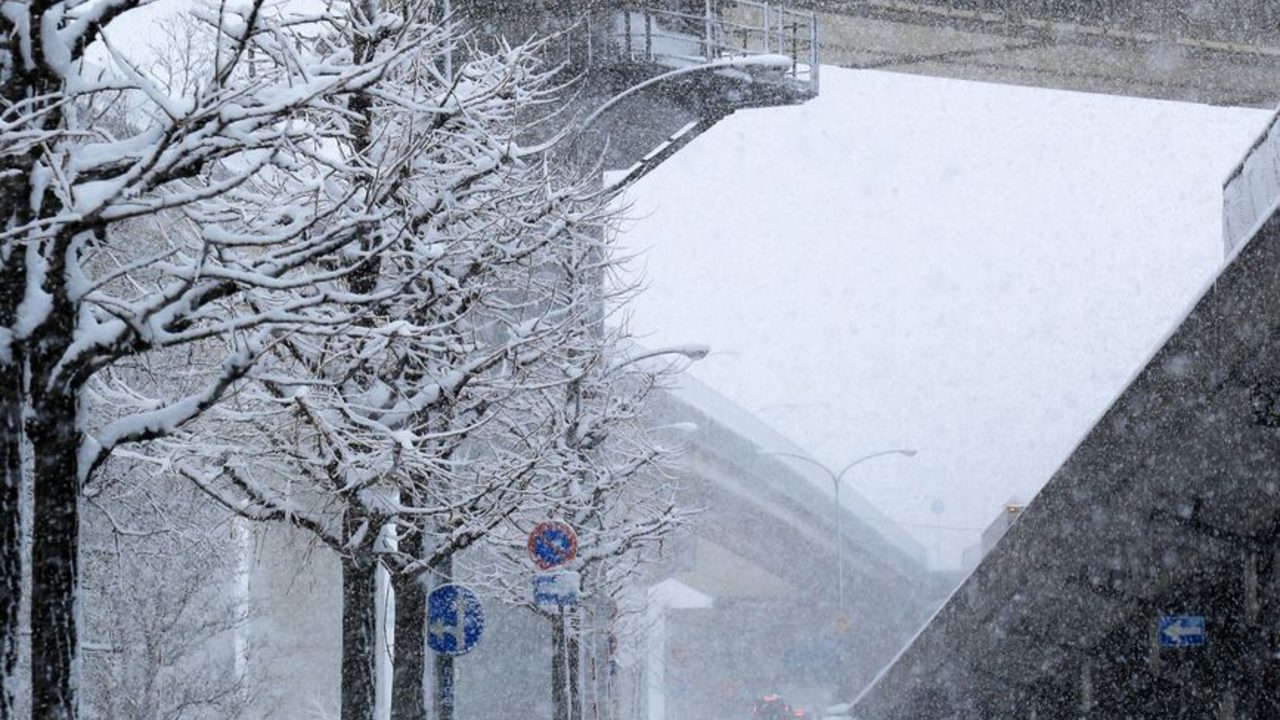
In a video from Moscow, the Akademik Korolev Bridge over the Moskva River is covered in snow, but at the end of the bridge the snow stops along a clean line, and beyond it the road is merely wet. The reason is the difference in surface temperature between the bridge and the neighboring roads.
It snowed in the surrounding area too, but with the morning warm-up the snow melted on most roads. The bridge stayed colder, so the snow on it lasted longer.
In such conditions bridges cool not only from above but also from below. Ordinary roads, by contrast, sit on the ground, which in early winter is still relatively warm and heats the pavement from beneath.
When the air temperature is around zero, the surface of a bridge can stay below freezing while the neighboring roads are already above it. This is dangerous for drivers too: it is on bridges that ice or frost can form, even when the other roads are wet and not slippery.
Around Prague, based on reporting by novinky.cz