Czech Environment Ministry Drops Billion-Crown Waste Case at Heřmanice Spoil Heap — Despite Photo Evidence
USD 21,04
Popular
The Czech Ministry of the Environment has closed a years-long investigation into the alleged illegal dumping of construction waste at the Heřmanice coal spoil heap in Ostrava, clearing the main suspect — the firm Ridera Bohemia — of any wrongdoing, despite dozens of photographs, witness statements and expert reports suggesting otherwise.
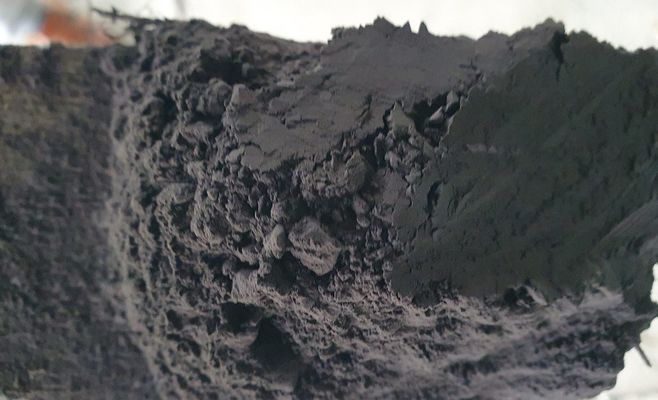
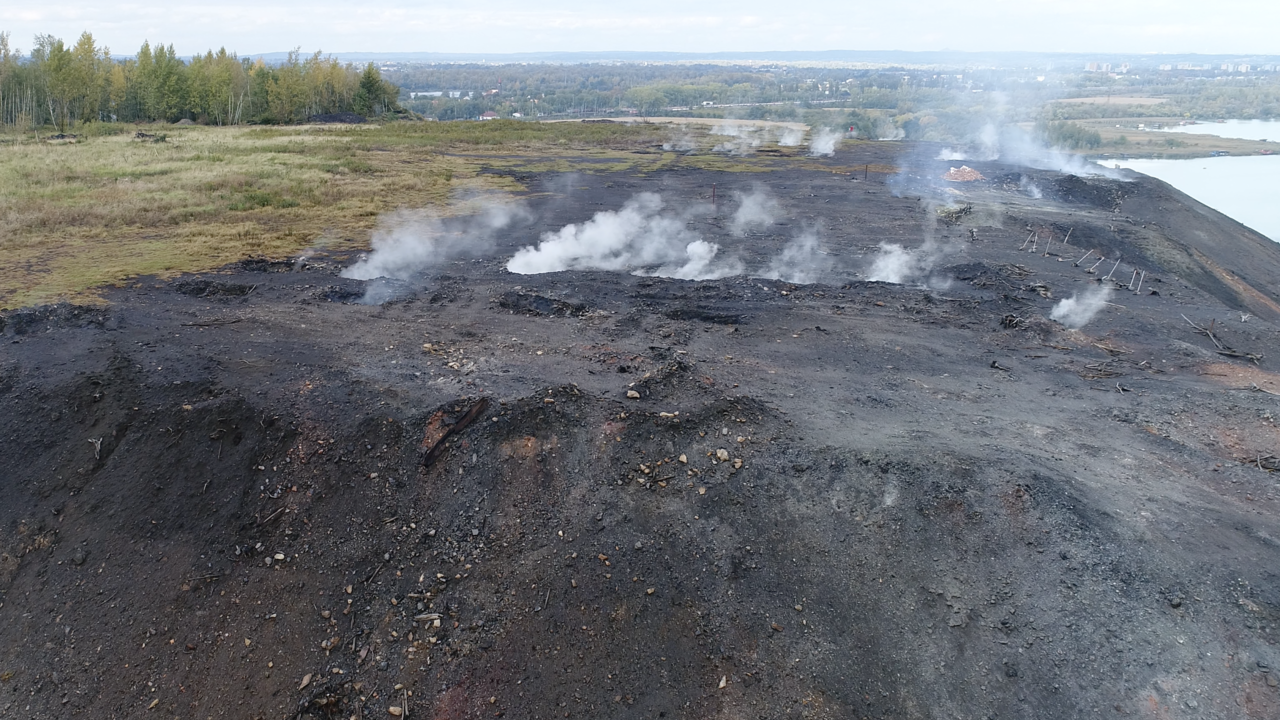
At stake is the largest spoil heap in Central Europe, covering more than 100 hectares and containing 12 million tonnes of coal waste rock, managed by the state-owned company Diamo. The heap has been smouldering internally for years, and nearby lies a dump of highly toxic sludge, which — if it caught fire — could trigger a major environmental disaster. To stop the fire from spreading, authorities decided to fill a 440-metre separating trench with non-flammable material. Ridera Bohemia, contracted by Diamo, delivered 568,000 tonnes of what was supposed to be certified crushed stone.
What Inspectors Found
In 2022, an inspection by the Ministry of Industry and Trade discovered unsorted construction debris in the filled trench — bricks, concrete, wood, plastic, metal, and, according to some reports, traces of asbestos. Diamo accused the contractor of a "catastrophic failure," replaced the management of its Ostrava branch, and filed a police report — formally against an unnamed person, though the complaint effectively targeted Ridera Bohemia and two former managers of the state enterprise.
A year later, Ostrava police found no evidence of fraud or illegal waste handling and referred the case to the Czech Environmental Inspectorate for administrative proceedings. Preliminary estimates suggest that if waste was indeed dumped en masse instead of certified gravel, the savings could have reached a billion crowns or more — while the state may now face a multibillion-crown bill to clean up the site itself.
Photos and Expert Reports Contradict the Ministry's Conclusions
The case file contains photographs taken by Diamo employees documenting the unloading of construction debris at the heap, along with reports from several independent experts. Forensic expert Zdeněk Tylčer, a specialist in soil and groundwater contamination, wrote that the fill material was "a heterogeneous mixture of soil and unsorted construction and demolition waste containing metal, plastic, textiles, glass and wood, with no signs of processing." Expert Zdeněk Čížek reached similar conclusions, as did the geological firm Gescicon, which conducted drilling in July of this year and found unprocessed fragments of brick, ceramic tile, concrete and fabric at depths ranging from a few centimetres to five metres.
Nevertheless, Deputy Ministry Spokesperson Kateřina Paciková stated that "according to the expert reports in the case file, the material does not qualify as waste and poses no danger to the environment." When asked what the photographs and expert findings actually show, the ministry did not respond. It also questioned the dating of some of the photos and dismissed the expert assessments as "flawed and unverifiable," siding with Ridera Bohemia's claim that the material delivered to the trench was exactly what the contract specified.
A Year Ago: Waste. Now: Not Waste
As recently as last autumn, under the ministry's previous leadership headed by Petr Hladík, the ministry upheld — on appeal — a 1.2-million-crown fine against Diamo specifically for depositing waste at the heap. At the time, the official position was different: even processed construction debris, officials argued, legally remained waste and could not be used as fill. The ministry has offered no explanation for this 180-degree reversal.
After the case was closed, the new head of the Environmental Inspectorate, Pavel Straka, terminated contracts with university experts who had been tasked with assessing whether the fill would actually stop the heap's internal smouldering. Deputy Prime Minister and Industry Minister Karel Havlíček, whose ministry oversees Diamo, insists that these assessments must be completed: "The question of the material's flammability remains crucial, so Diamo will demand that the inspectorate and the expert institute finish the evaluation."
Ridera Bohemia spokesperson Eva Kyjonková said the case file included "fourteen expert reports that repeatedly confirmed the company had fulfilled its obligations to the state." However, the company declined to allow journalists to review these documents.
Read also: Prague Metro: map and tickets
Source: seznamzpravy.cz