Czech Fighters Take Silver at Cane Fencing World Championship in Prague
USD 21,01
Popular
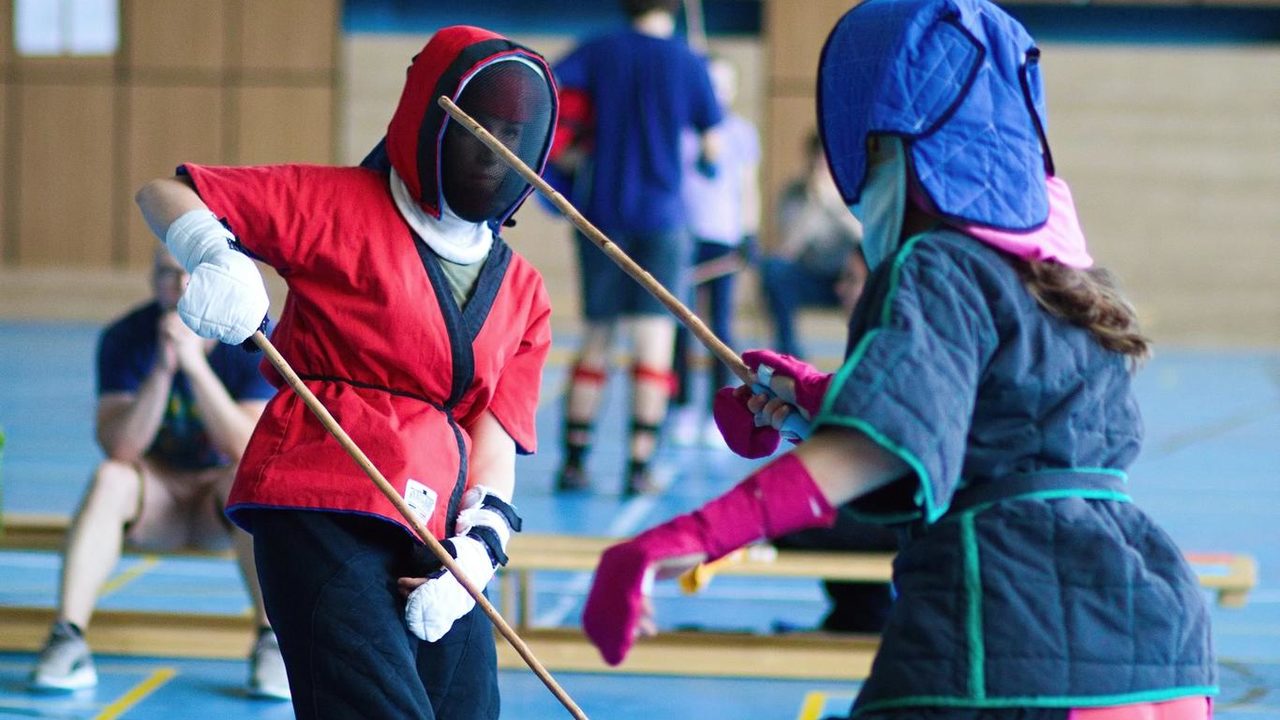
Prague hosted the world championship in canne de combat — the French martial art of cane fencing — and the Czech national team claimed silver in the team event, losing only to France in the final.
"It was tough, but wonderful. Silver is just great," said Václav Trojan, a member of the home team, sharing his emotions.
Canne de combat is a traditional martial art that emerged in France back in the time of Napoleon Bonaparte: it was first developed within the army before spreading as a form of self-defence for gentlemen. Today it's a dynamic sport in which technique, speed and tactics take precedence over brute strength.
The bouts that drew the most attention from the crowd at the Radlice sports hall were those featuring the Czech team. Among the men, Václav Trojan was the standout, sailing through the group stage before being eliminated only in the playoffs. "Nerves didn't hold me back, of course — I didn't want to let our community down, but everything went great. I get a little nervous before every bout, but as soon as it starts, the joy takes over," said the 26-year-old athlete, for whom simply reaching the playoffs was already a major achievement. "The main thing was to enjoy myself, and I managed that. Something always stays with you after every fight — bruises to the ego, and experience," he added.
In the women's tournament, the Czech Republic was represented by 33-year-old Tereza Pösnerová, whose run ended at the group stage. "I was really nervous. I knew the strongest fighters from abroad would be there, and I wasn't sure I could hold my own against them," the athlete admitted. Her fears proved unfounded: one win and two narrow defeats added up to a perfectly respectable result. "I'm happy. I can see how far I've come, and where I still have room to grow," Pösnerová said.
In the team standings, the Czechs made it all the way to the final, where they lost to France — still a genuine breakthrough for the Czech school. "They were simply too good for us," Trojan admitted, with good sportsmanship. "We didn't come here for medals first and foremost, but for the encounters, the competition and the learning. For us, community matters most of all," Pösnerová stressed.
More than anything, she dreams of seeing more people take up the sport. "There's outreach work ahead of us — classes for children and adults, setting up new clubs and tournaments," she explained. Currently, around forty people practise the sport across four clubs in the Czech Republic — in Prague, Dobřichovice, Řitka and Zadní Třebaň. "I hope more people will hear about us soon, and that our numbers will grow," the Czech athlete concluded.
An interesting fact: cane fencing has twice featured as a demonstration sport at the Olympic Games. In 1900 in Paris, French master Charles Charlemont gave an exhibition bout. Twenty-four years later, another demonstration duel took place at the Vélodrome d'Hiver in Paris, between Professor Prévost and French champion Baudouin. History has not recorded the name of the winner.
Source: prazsky.denik.cz