Czech Ministry of Culture Promises Free Museum Admission Every First Sunday of the Month
USD 21,69
Popular
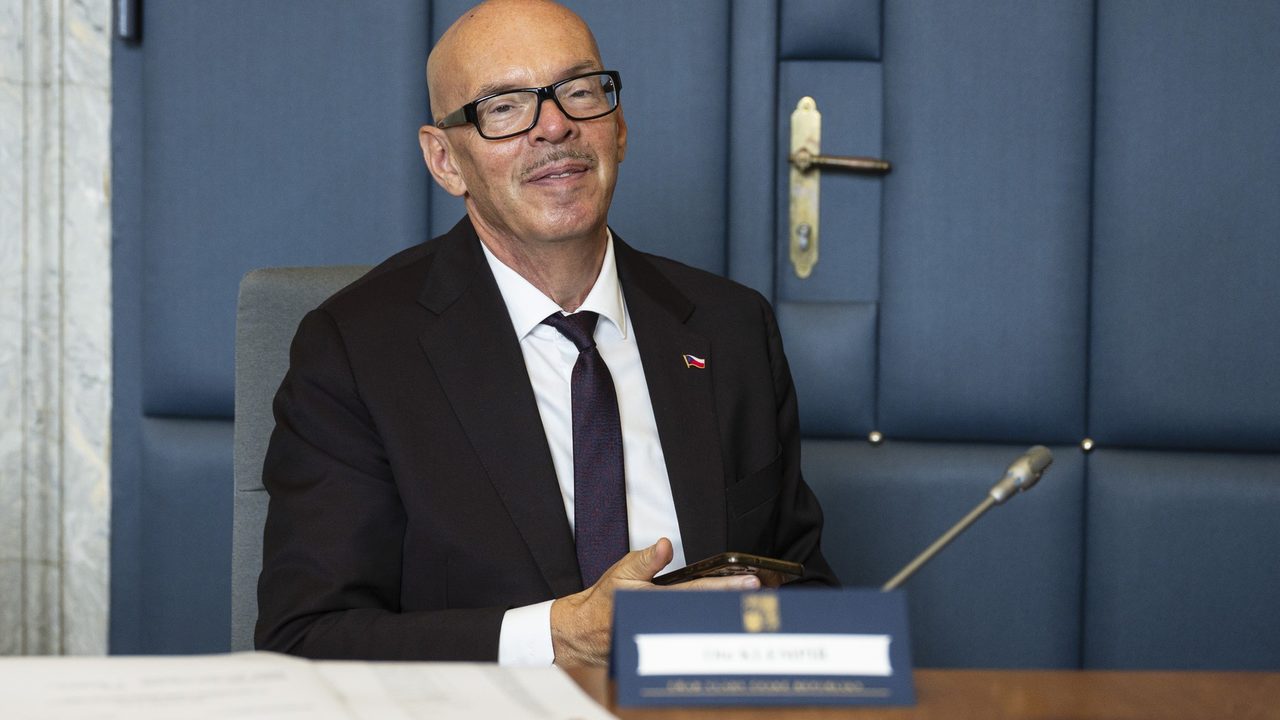
Czech Minister of Culture Otakar Klempíř has announced that admission to state museums and galleries will be free every first Sunday of the month — and, according to him, this arrangement is meant to be permanent. He made the announcement in a short self-produced promo video posted on social media.
The initiative builds on a pilot project that ran during the first half of this year, was paused over the summer, and is now returning in an updated form. The idea itself isn't new: free culture for everyone was part of last year's Spolu coalition programme, as well as the 2025 state cultural policy document — a paper that, ironically, was recently shelved by the minister's own press secretary.
Officials and Institutions React
While the minister makes bold announcements on social media, the cultural institutions themselves have stayed quiet — even though it's they who would face both higher visitor numbers and the costs that come with them. The finance minister, whose ministry would directly handle compensation for lost ticket revenue, called the idea "not bad" at a government press conference, but admitted she didn't know the details.
It remains unclear whether the state will compensate museums and galleries for the ticket revenue they'll lose. At the same time, the Ministry of Culture is requesting an extra 3.4 billion koruna from the budget, while the government is trying to find roughly 8 billion koruna to cover the gap left by scrapping TV and radio licence fees. After meeting with the finance minister, Klempíř said: "I can share some good news — culture definitely won't be shortchanged. We have funds both for investment and for live culture."
Trouble at the National Gallery
The National Gallery offers a clear example of the potential complications — it's one of the institutions where admission will be free on four designated Sundays a year. More visitors is good news for accessibility, but it also means extra strain on staff, security and building upkeep.
Industry experts have long pointed out that the gallery suffers from chronic underfunding, is losing ground to comparable foreign institutions, and lacks a coherent, long-term development strategy. The gallery has been without a director since March, when Klempíř dismissed Alicja Knast without detailed explanation. In July he also scrapped the first competition to find her replacement, promising a new, more representative selection process at a later date.
Read also: 6 cemeteries in Prague where history and art matter more than grief: a guide to necropolis-museums
Source: seznamzpravy.cz