Czech Police to Stop Naming People's Psychiatric Diagnoses in Press Releases
USD 21,04
Popular
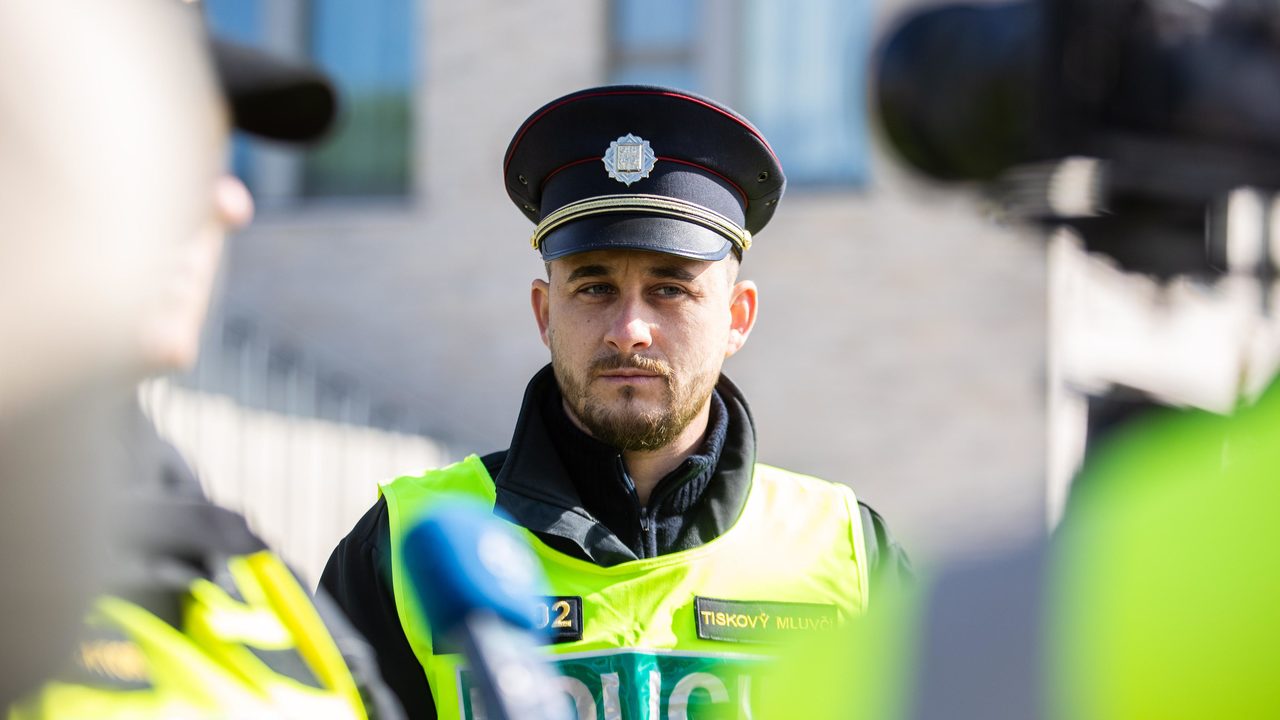
The Czech Police are changing the way they communicate with journalists and the public: officers must now avoid disclosing specific psychiatric diagnoses of people who come to their attention, unless doing so is critical to the case. A methodological guideline to this effect has been issued to all departments that deal with the media, according to Ondřej Moravčík, head of the Police Presidium's press department.
The change was prompted by a submission to the Ombudsman's office, initiated by Hana Potměšilová of the organisation Revenium. She has long worked on disability rights issues and noticed that police press releases regularly contained phrases such as "a man suffering from schizophrenia."
More Than 40 Cases in Eight Years
According to Potměšilová, she carried out her own review of publications over the past eight years and found at least 40 cases in which police or media outlets commented on a person's diagnosis even though there was no threat to life involved. She was especially concerned that people without medical training or a full understanding of the situation were making statements about medical diagnoses.
The Ombudsman's office confirmed that this was not an isolated slip-up but a recurring practice — both within the Czech Police and in some municipal and city police forces. "Naming specific diagnoses in connection with security incidents reinforces the harmful stereotype that people with mental illness are automatically dangerous or unpredictable," explained Michaela Vaisová, spokesperson for the Ombudsman.
How Police Reports Will Read Now
Police Chief Martin Vondrášek has agreed that the approach needs to change. Heads of press departments have already been briefed on the new rules. Instead of naming a specific diagnosis, police are advised to use neutral wording — such as "a person in an adverse mental state," "a person showing signs of disorientation," or "a person requiring medical assistance." The rule applies to press releases, police websites and social media.
An exception remains for cases where the diagnosis is essential to finding a missing person or warning the public of danger. For instance, last Friday, while searching for a nine-year-old boy who had left home in Prague's Letná district, police stated that the child has autism and noted that he enjoys riding on public transport and in lifts.
The changes will also affect municipal police forces. The Union of Towns and Municipalities has passed the recommendation on to its security committee and to associations of municipal police chiefs. According to Vaisová, both bodies fully supported the initiative and immediately took concrete steps. The Brno City Police, for example, has already switched to neutral wording: if a mental illness is not relevant to the incident itself, it is not mentioned at all, and if context requires some explanation, only the most general information is given, said Jakub Hanem, head of Brno police's press department.
Potměšilová welcomed the outcome of her submission and now intends to obtain the exact wording of the guideline so it can be used in staff training. "I will continue to monitor how strictly the police and municipal police forces follow this rule," she added.
Read also: Brno: what to see and where to go
Source: seznamzpravy.cz