Drought Exposes Ancient "Hunger Stones" on the Elbe, Bearing Warnings to Future Generations
USD 20,94
Popular
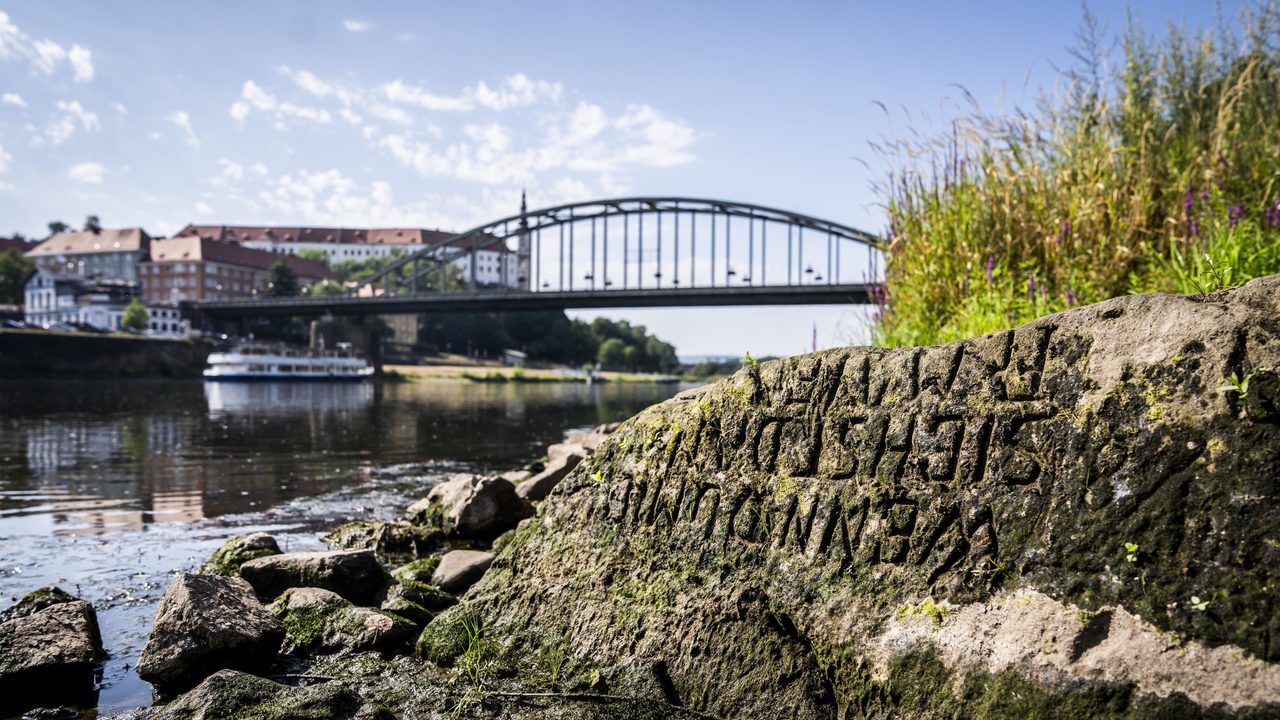
The ongoing drought along the Elbe has caused water levels in the Czech Republic's largest river to drop so low that the so-called "hunger stones" have resurfaced — centuries-old markers once used to warn of impending crop failures and hard times for those whose lives depended on the river.
The best-known of these stones sits in Děčín and bears the inscription "Spatříš-li mne, plač" ("If you see me, weep"). The receding river has also revealed several similar stones nearby, near the village of Dolní Žleb.
Hunger stones were placed along riverbanks across Central Europe from the 15th to the 19th centuries as a kind of early-warning system: their emergence above the waterline signaled that the river had fallen to such critically low levels that drought, poor harvests and famine were likely to follow for local communities. Today, such discoveries serve as a reminder that these climate patterns have played out before.
Source: novinky.cz