Europe is drying out fast: heat and drought are turning the continent from green to yellowish-brown
USD 21,04
Popular
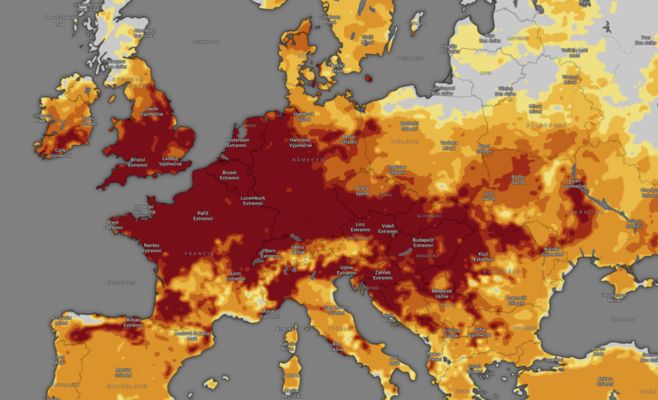
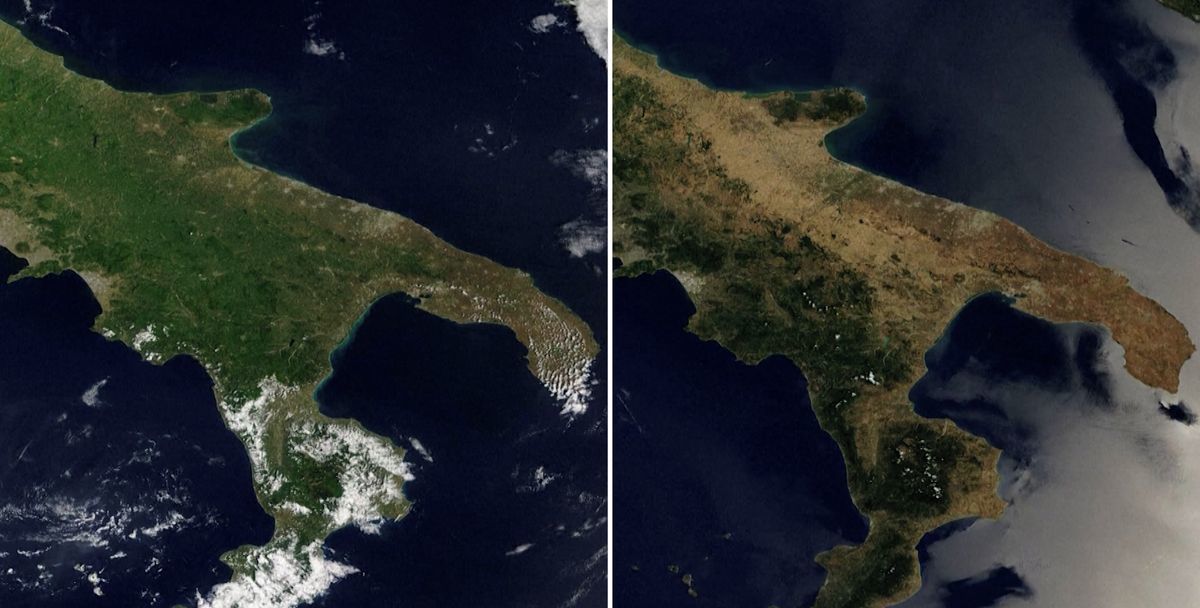
Satellite images are capturing a dramatic shift in the landscape across France, the Iberian Peninsula, the British Isles, Italy and several parts of Central Europe, including Czechia: in just a few weeks, vegetation has turned from lush green to yellow and brown.
Such seasonal changes normally occur across the continent every summer, but they usually unfold over a much longer period and are far less pronounced. This time, meteorologists say, the unusually rapid drying was caused by a combination of a prolonged rainfall deficit, abnormally high temperatures and intensified moisture evaporation — plants came under severe stress and began wilting prematurely.
A key role was played by an extremely intense heatwave that swept across Europe at the end of June: temperatures topped 40°C in a number of countries, with new national and regional heat records set in several places.
The first half of July did nothing to improve matters — the rainfall deficit kept growing in many parts of Europe, while the southwest of the continent was hit by its third major heatwave of the year. As of earlier this week, vast areas were suffering from extreme drought, and the parched vegetation is making it noticeably easier for wildfires to spread — their numbers have surged sharply in recent days, particularly around the Mediterranean.
Forecasts suggest that most of Europe will cool down in the coming days, with rain expected in some areas that could at least partially ease the drought. In the Mediterranean, however, the heat will persist, and Western Europe still isn't expecting significant rainfall — meaning its vegetation is likely to remain severely parched.
Scientists warn that, due to climate change, such prolonged spells of heat and drought will occur more frequently and with greater intensity. This takes a heavy toll on agriculture and natural ecosystems, while significantly raising the risk of wildfires breaking out and spreading.
Source: novinky.cz