Frozen Bread Is Healthier Than Fresh: How Freezing Lowers Its Impact on Blood Sugar
USD 21,01
Popular
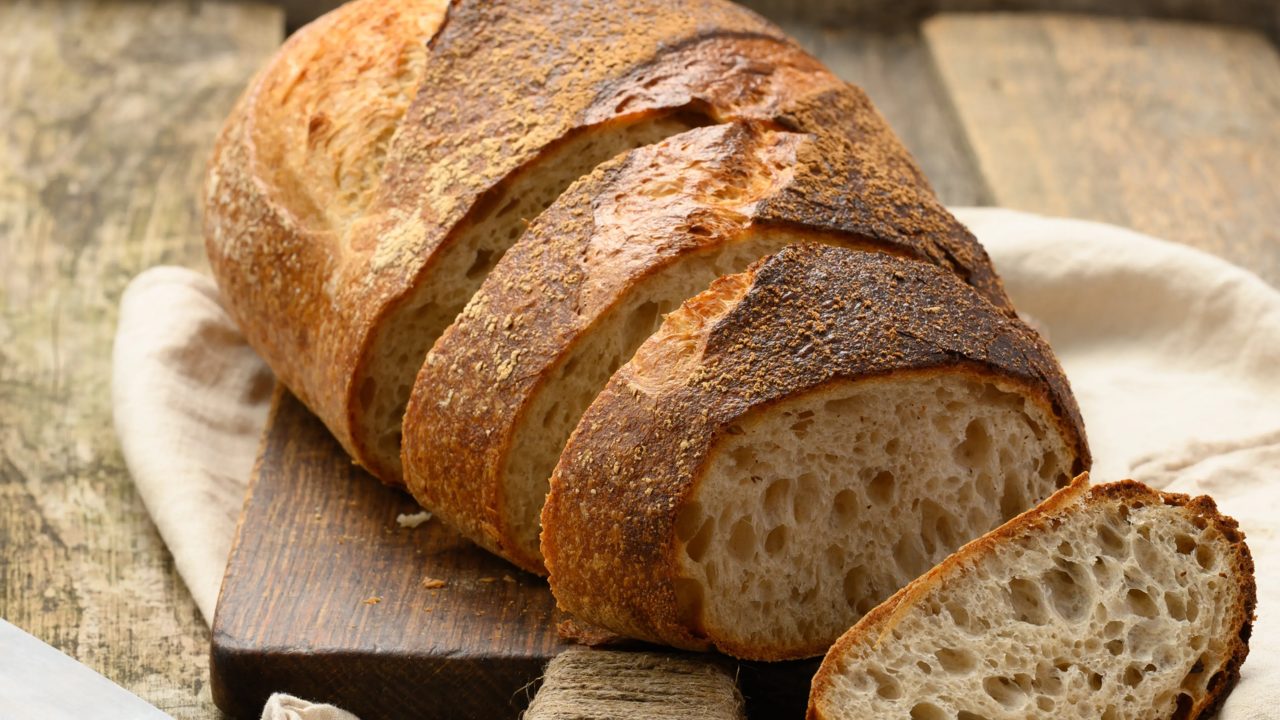
Nutritionists and food scientists point to something surprising: freezing bread isn't just a way to make it last longer — it's also a trick that makes it healthier for your body. The secret lies in how freezing and thawing change the structure of starch.
According to available research, part of the starch in bread turns into so-called resistant starch when frozen. This type of starch behaves in the body much like fibre — it digests more slowly and doesn't trigger sharp spikes in blood sugar. As a result, thawed bread has a lower glycemic index than fresh bread, and if you toast a slice straight from the fridge or freezer, this beneficial effect becomes even stronger.
Importantly, freezing doesn't strip bread of its nutritional value: B vitamins and minerals remain almost entirely intact. This isn't about turning bread into "empty" calories — the structure simply shifts slightly, becoming a bit easier on digestion. For anyone watching their glucose levels or trying to curb post-meal sugar cravings, bread that's been frozen and then reheated can be a handy alternative — though, of course, it's no dietary miracle. It's still bread, just with a somewhat gentler effect on metabolism.
Experts stress that the outcome depends heavily on what you do with the bread before freezing it. The loaf should be fresh but completely cooled — if you put warm or moist bread straight from the oven into the freezer, ice crystals will form inside and ruin the texture once thawed. The most practical approach is to slice the bread in advance, so you can take out exactly as much as you need without defrosting the whole loaf.
It's best to pack portions tightly in airtight freezer bags or containers, pressing out as much air as possible — this prevents the bread from drying out or absorbing odours from the freezer. Sturdy freezer bags work best for this, since they don't stick to the bread and keep it well sealed.
Bread shouldn't be kept in the freezer forever. The ideal storage time is two to three months, with six months as an absolute maximum. After two or three months, the bread is still safe to eat, but it noticeably loses its characteristic taste, aroma and texture. The key rule: once bread has been thawed, it should never be refrozen — this compromises both its quality and food safety.
Before freezing, bread should never be dampened or moistened — water breaks down the crumb's structure and speeds up spoilage. Nor should you try to "rescue" a loaf that already shows mould or an odd smell: freezing doesn't stop the spoilage process, only pauses it temporarily, and the problem will return once thawed. Storing bread without proper packaging is the fastest route to dry, inedible bread.
When it comes to thawing, there are two main approaches: let the bread defrost slowly at room temperature (or leave it in the fridge overnight) — this maximises the formation of beneficial resistant starch — or go for the quick option and pop a slice straight from the freezer into the toaster, oven or frying pan. A short burst of intense heat brings back the crispy crust and that fresh-baked feel. In short, the freezer isn't the enemy of freshness — it's a handy tool that lets you always have good bread on hand.
Source: apetitonline.cz