German Economist Slams Defense Minister for Spending Big Without Results
USD 21,01
Popular
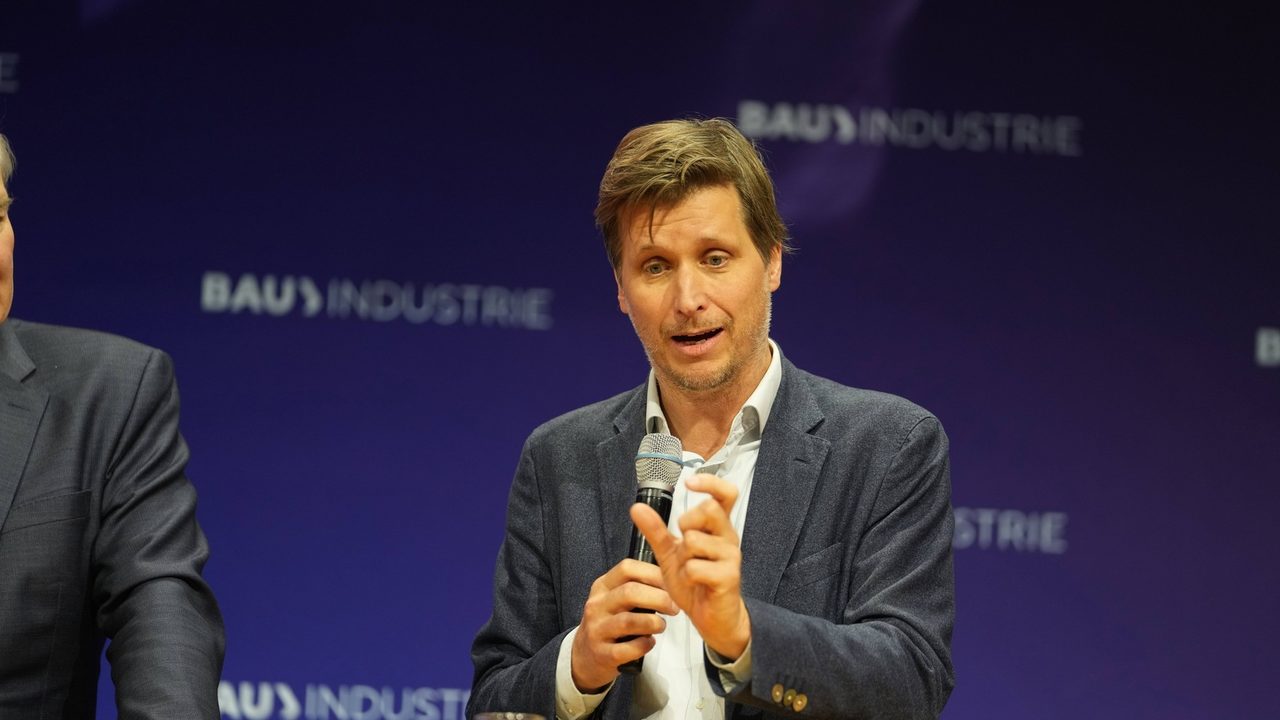
The head of the Kiel Institute for the World Economy (IfW), Moritz Schularick, has publicly criticized the policies of German Defense Minister Boris Pistorius, arguing that the country's multi-billion-euro military spending is failing to deliver the expected results because of an outdated approach to arms procurement.
"We have plenty of capital, enormous industrial expertise, and in some fields still cutting-edge technology," the economist noted. "What we don't have is hundreds of thousands of people willing to climb into tanks and head to the front. That means that instead of boosting troop numbers, we need more unmanned systems, and wherever possible we should be relying on artificial intelligence, robotics, drones and satellite technology."
Criticism of Outdated Procurement
According to Schularick, the Ministry of Defense is still operating under the old model — it has simply increased its budgets. A significant share of the funds, he estimates, continues to go toward tanks, frigates and other equipment that he considers hopelessly outdated.
The economist called for arms procurement to be entrusted to someone "with real political authority, capable of bringing together industry, startups and government ministries, resolving internal conflicts, and focusing efforts on a single goal." A funding program built mainly on borrowing hundreds of billions of euros could, in theory, give Germany's economy a real boost — but if mismanaged, the expert warned, it risks simply "fizzling out."
Not Weapons, But Factories
Schularick argues that simply spending money and restocking the Bundeswehr's arsenals isn't enough. "It's far more important to think from the outset about what the economic processes should look like, so that when necessary, the required weapons systems can be produced quickly and in sufficient quantities," he stressed.
In his view, Germany needs to stop ordering small, custom-made batches of complex hardware — say, 200 anti-aircraft missiles — and instead invest in building production capacity. "In other words, we shouldn't be ordering individual pieces of equipment, but an entire factory that, in an emergency, can quickly ramp up to produce 2,000 missiles a year instead of 200," the economist explained.
Since maintaining such a factory during peacetime isn't economically viable for companies, the state would need to pay manufacturers a kind of standby premium for keeping the capacity to scale up production rapidly. According to the IfW chief, a similar principle is already being applied elsewhere: after the coronavirus pandemic, Europe saw the emergence of facilities capable of quickly switching to mass vaccine production in the event of a new outbreak.
Source: novinky.cz