How Long You Can Keep Chicken and Turkey in the Freezer
USD 21,01
Popular
How long chicken and turkey can be stored in the freezer depends on exactly which part of the bird is frozen. A whole chicken or turkey can last up to a year in the freezer, individual cuts of poultry up to 9 months at most, and minced meat only 3-4 months. You can keep meat longer than the recommended period, but it will affect its taste and quality.
Cooked meat should not be frozen for longer than four months. If the meat has been baked or frozen in broth or sauce, it will keep for up to six months. Chicken or turkey nuggets and cutlets, however, shouldn't stay in the freezer for more than three months — some experts even recommend limiting it to just one month.
What to do about the expiry date
Packaged meat should always have a date on it indicating by when it should be used. If you've bought meat from a butcher without packaging, it should be processed within one to two days of purchase.
Frozen meat doesn't spoil once its shelf life has passed, but it noticeably loses quality. The general rule is simple: the longer meat sits in the freezer, the worse its taste and texture become.
How to properly defrost chicken and turkey
The simplest and safest way to defrost meat is to move it to the fridge and leave it there for 12-24 hours. If you need it faster, you can place the meat in a bowl or sink filled with cold water, making sure the packaging is watertight and the meat is fully submerged. It's best to change the water every thirty minutes — this way the meat will defrost in about an hour. Once thawed, it should be used no later than the following day.
Signs of freezer-damaged meat
If greyish-brown patches appear on frozen meat, it has most likely suffered freezer burn. You don't need to throw the whole piece away, but the taste won't be the same. Either way, such burnt patches should be cut off and discarded before cooking.
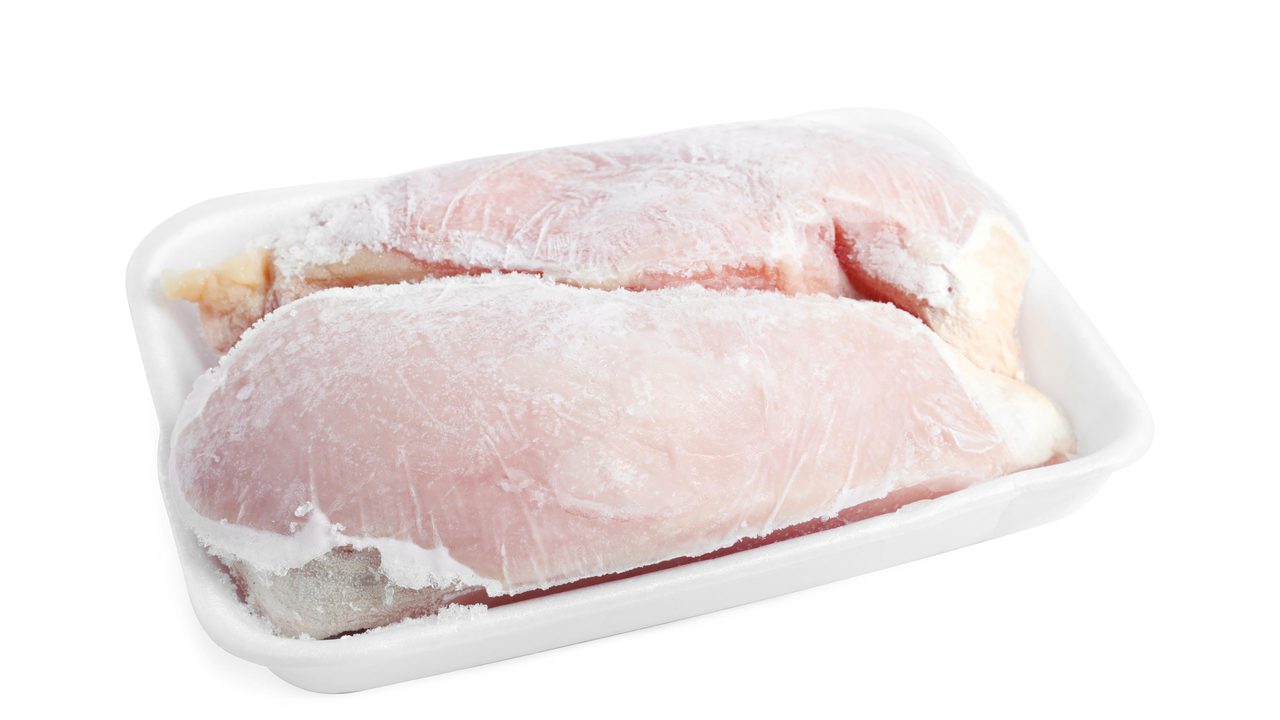
Ice crystals can also form on meat. If they only cover part of the surface, you can simply scrape the ice off and use the meat as normal. But if crystals cover the entire surface, it's better to throw the product away — this is a sign that moisture has evaporated from the meat and frozen, which also indicates freezer damage. Large ice crystals may mean the meat partially thawed and was refrozen — such meat is also safer not to eat.
How to properly store meat in the freezer
It's best to use airtight containers or vacuum-sealed bags — this increases the chances that the meat won't suffer freezer damage and will retain its quality. And don't forget to label the packaging with the date, so you don't lose track of storage times.
Source: novinky.cz