Hungary after Orbán: the new government tightens the screws in its own way
USD 21,04
Popular
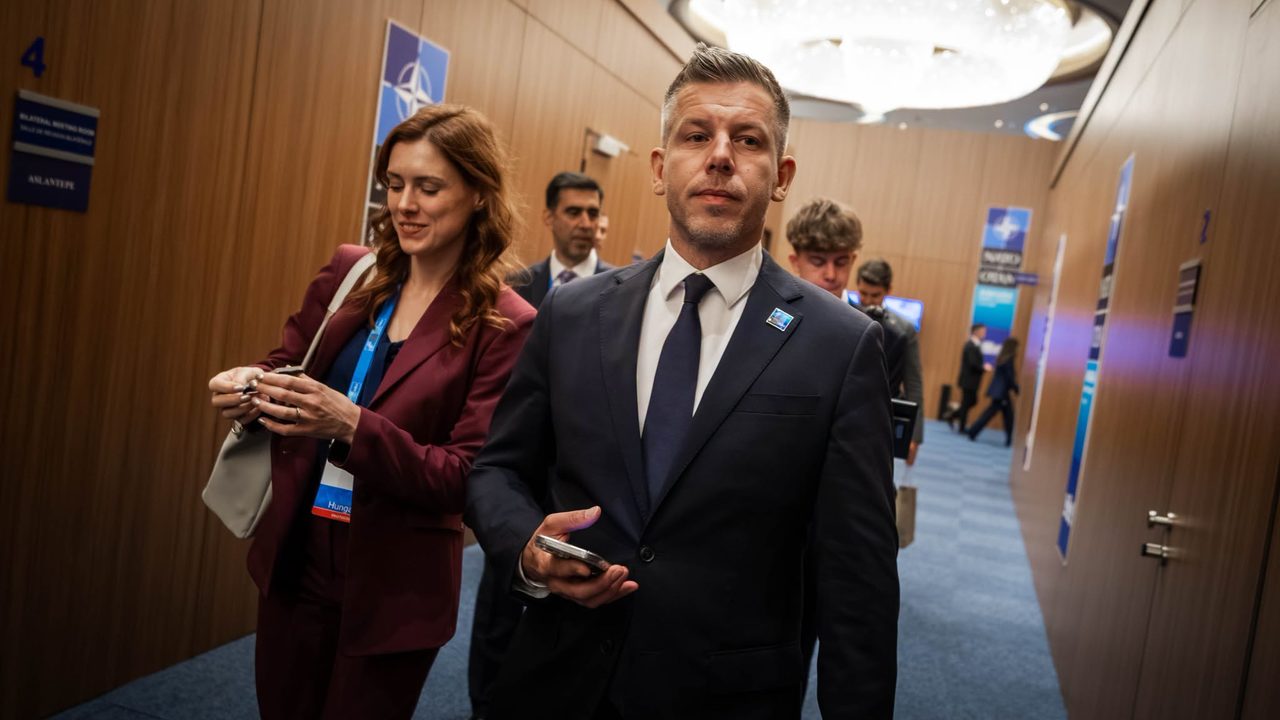
Hungary is undergoing a change of power after 16 years of rule by Viktor Orbán: new Prime Minister Péter Magyar and his Tisza party, which won a decisive victory in the April elections, have begun restructuring the state using methods that observers themselves describe as questionable from a democratic standpoint.
As the hosts of the Seznam Zprávy podcast "Dobrovský & Šídlo" discuss, Hungary's new leadership has already secured a constitutional majority, forced the country's president to resign, cut off news broadcasting on state television, and effectively ended the political careers of most prominent figures from Orbán's former team.
"Turning fish soup back into an aquarium"
Seznam Zprávy commentator Jindřich Šídlo cites a vivid comparison from his colleague at Hospodářské noviny, Martin Ehl: what's happening in Hungary is an attempt to "turn fish soup back into an aquarium." According to him, many supporters of change in Hungary are still asking themselves whether these outwardly less-than-democratic moves will lead to the restoration of a European-style liberal democracy, or whether power has simply passed from one autocrat to another.
The podcast hosts pay particular attention to the fact that the new restrictions are hitting not only Orbán's former allies. A newly introduced rule limiting parliamentary mandates to three electoral terms has also affected prominent figures from the previously unsuccessful anti-Orbán opposition — for instance, MP Ákos Hadházy, who became known for videos exposing the scale of Orbán's wealth, which remains unexplained by his official income over 36 years in politics.
A revolution, Hungarian style
"The situation in Hungary is revolutionary," notes podcast host Jan Dobrovský. "Local commentators write that the country is essentially replaying the script of 1990: a regime change is underway, and along with it, things happen from time to time that don't always look particularly democratic."
According to the podcast's hosts, whether Péter Magyar turns out to be a genuine European-style democrat rather than just another unchecked leader will become clear from the shape of the country's new constitution — which his Tisza party is capable of adopting single-handedly — and from the new electoral law, given that the previous one was effectively written by Orbán himself to suit his own interests.
The hosts also raise the question of what lesson the Czech ruling coalition led by Andrej Babiš might draw from events in Hungary, and what the Czech opposition — which between 2021 and 2025 failed to remove even the most compromised allies of the previous Babiš government from office — could learn from them.
Source: seznamzpravy.cz