Špekáčky Taste Test: Meat Content Varies Almost Twofold, and Price Doesn't Guarantee Quality
USD 21,04
Popular
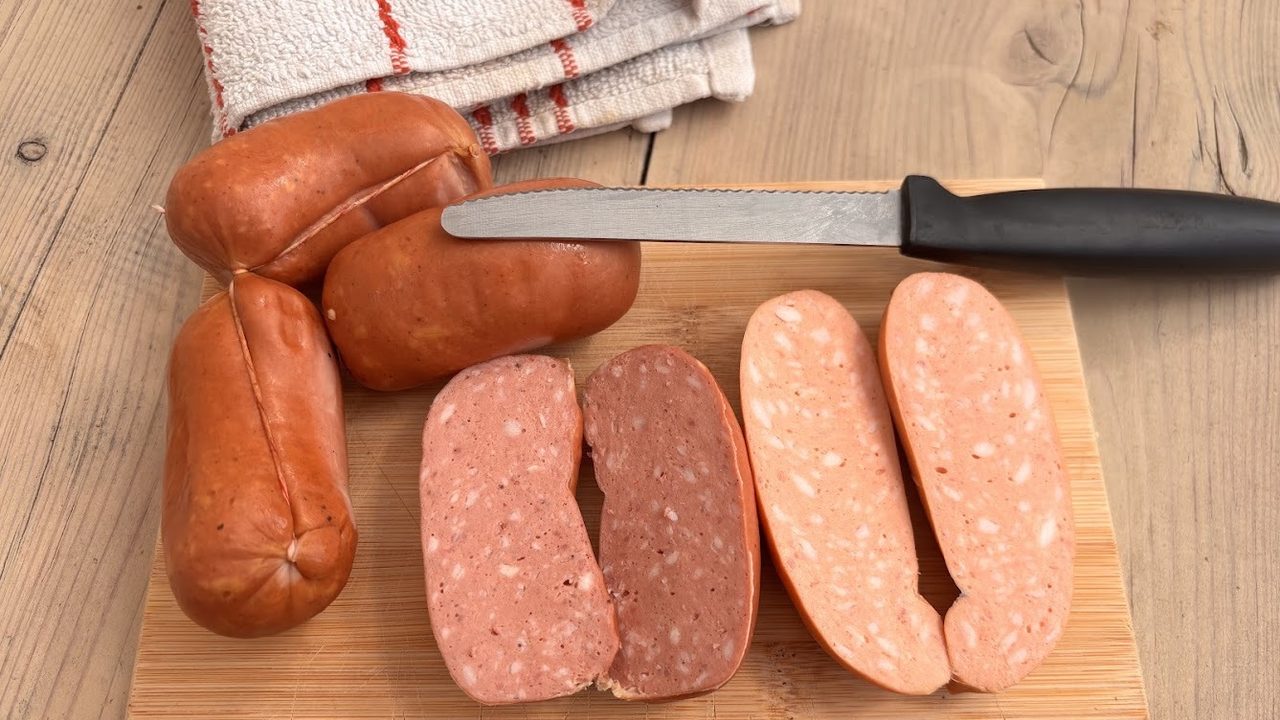
A laboratory analysis of ten samples of špekáčky (Czech grilling sausages) from various shops and butchers found that their meat content ranges from 50% to 89% — and a higher price by no means guarantees a better recipe. The test measured the share of meat, fat, water and collagen, as well as residual nitrites and nitrates used in curing.
The Best Result Comes from the Cheapest
The meatiest špekáčky turned out to be Grill & Fun from Lidl: the manufacturer claimed 90%, while lab calculations put it at 89.5%. This sample had the highest protein content and was among the leaner options, priced at just over CZK 160 per kilogram — one of the most affordable products in the test.
"If you can achieve that kind of meat content while still keeping a good sausage, that's top-tier premium quality," said food quality expert Jan Pivoňka from the University of Chemistry and Technology in Prague. According to him, a typical good špekáček is considered to have around 75–80% meat, while pushing for the maximum possible share can result in an overly dry product resembling ham — one that's not well suited for grilling over an open flame.
Vahala Extra špekáčky came in above 85% meat — more than stated on the label. The Naše maso sausage from Jeneč contained just over 80%. Samples of Davle špekáčky from U Dolejších, Tesco Grill Master, and beef špekáčky from Maso Klouda all fell within the 77–79% range. Prices, however, varied far more than the recipes did: Naše maso and Maso Klouda cost over CZK 400 per kilogram — more than double the price of the meatiest sample from Lidl.
Weak Performers and Water-Diluted Meat
The worst results came from DZ Klatovy chicken špekáčky. The label claimed 65% mechanically separated chicken meat, but lab tests found only 50.5%. This product had the lowest protein content, and the lab detected a noticeable amount of added water. The ingredients also listed starch, phosphates for moisture retention, and thickeners.
According to Pivoňka, chicken špekáčky have another inherent problem: chicken fat doesn't form the characteristic "mosaic" of fat chunks, so the end result looks more like a soft grilling sausage than a classic špekáček.
A serious discrepancy was also found in Fiala Milovice špekáčky: the label promised 47% beef and 18% pork, 65% in total, but the lab counted only 52%. The product had low protein and fairly high fat content, and cost CZK 224.90 per kilogram — more expensive than the meatiest sample in the whole test. "It's concerning that there are samples with just 50% meat. The chicken špekáčky from Klatovy will be fairly poor in quality, as will the Fiala ones. On top of that, they're clearly diluted with water," Pivoňka concluded. Fiala Milovice also had the highest collagen content — a connective-tissue protein that can indicate a higher proportion of skins, tendons and other less valuable cuts; pork skins are indeed listed among the ingredients.
A Czech Culinary Tradition
Nevertheless, all the tested products meet official requirements for špekáčky. Under Czech standards, the regular version must contain at least 40% meat and no more than 45% fat, while the chicken version must have at least 45% poultry or mechanically separated meat.
"The standard is based on what was on the market back in the 1990s. Quality has improved significantly since then," Pivoňka noted, adding that some regulations and traditional recipes are long overdue for an update. Products marketed simply for grilling aren't held to the same requirements, so their quality and suitability for open-flame cooking aren't guaranteed.
The nitrite and nitrate residues found were low, the expert said, but the risk increases when the product gets charred — so it's best not to grill špekáčky until they turn black.
Špekáček is a Czech delicacy with a history spanning more than 130 years. Its popularity dates back to the 1891 Jubilee Exhibition of the Kingdom of Bohemia in Prague, where the sausages were made in a demonstration butcher's workshop. Czechia and Slovakia have registered "Traditional špekáčky" in the EU's register of protected designations as a Traditional Speciality Guaranteed — meaning producers must follow the prescribed technology and recipe.
Read also: 7 breweries in Czechia you can actually tour: from Plzeň to a Prague monastery
Source: novinky.cz