Czech TV fee abolition: why the coalition is rushing the ČT bill
USD 21,74
Popular
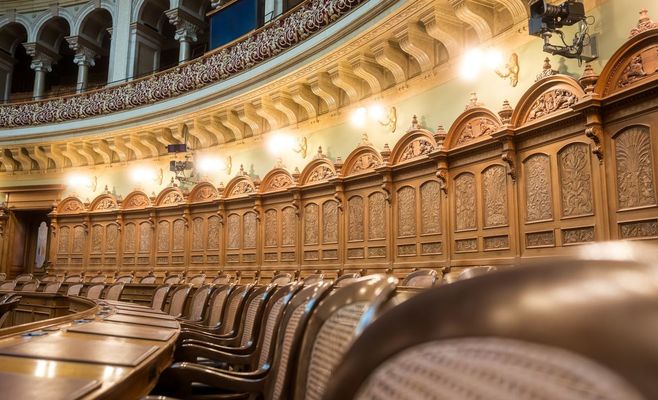
The ruling coalition in Czechia has unexpectedly put the first reading of a bill moving the funding of Czech Television and Czech Radio to the state budget, in effect abolishing the TV licence fees, on the agenda of Friday's session of the Chamber of Deputies. On Friday morning the majority moved the item to the top of the agenda, extended the session through the night and scheduled the vote for Saturday after half past four in the morning.
The bill was promised in the government's policy statement, but it was unclear whether it would come up next week or in early November. According to an analysis by Seznam Zprávy, the opposition has lost time to prepare the obstruction it had threatened in the event the fees were abolished, while Prime Minister Andrej Babiš has diverted attention from the lost election and the budget debate.
What the STEM poll says
A fresh study by the STEM agency examined voters' priorities across 22 areas. Access to healthcare came first: 84 percent consider it an absolute priority or very important. The quality of Czech healthcare scored 83 percent, followed by public debt, security and housing affordability.
The work of public media ranks second to last: 11 percent of respondents called it an absolute priority, and another 22 percent very important. Among voters of the governing parties, 6 percent of SPD supporters, 8 percent of ANO supporters and 4 percent of Motoristé sobě supporters consider it an absolute priority for the government. By comparison, access to healthcare is an absolute priority for 55 percent of ANO voters.
According to the analysis, the sudden handling of the bill caused the third reading of the amendment on health insurance contributions to be postponed; it was meant to channel roughly 15 billion crowns into the healthcare system.
What happens next
The legislative process in Czechia is complicated, and the bill will not pass over the weekend, the analysis notes. There is still plenty of time to state positions. The author believes the opposition should in parallel prepare a realistic scenario and, during committee work and the second reading, look for safeguards that would at least partly shield media payments from the state budget against direct political influence.
Around Prague, based on reporting by seznamzpravy.cz