Czech TV licence fee abolition: 4:36 a.m. vote, Prague protests
USD 21,74
Popular
Members of the Czech Chamber of Deputies will hold a first-reading vote on a bill to abolish television and radio licence fees on Saturday at 4:36 a.m. The government wants to move public media to direct state-budget funding, a plan that has sparked street protests and a planned strike.
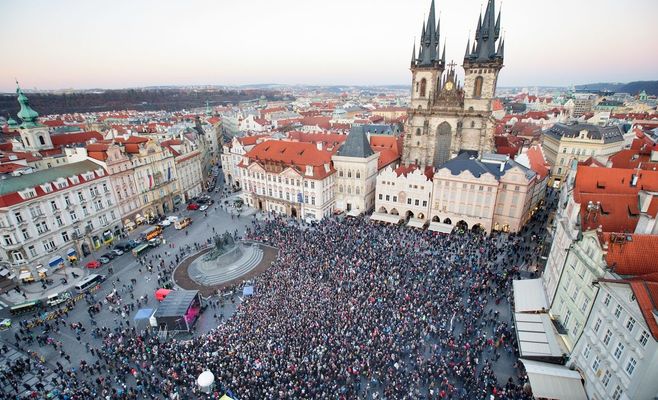
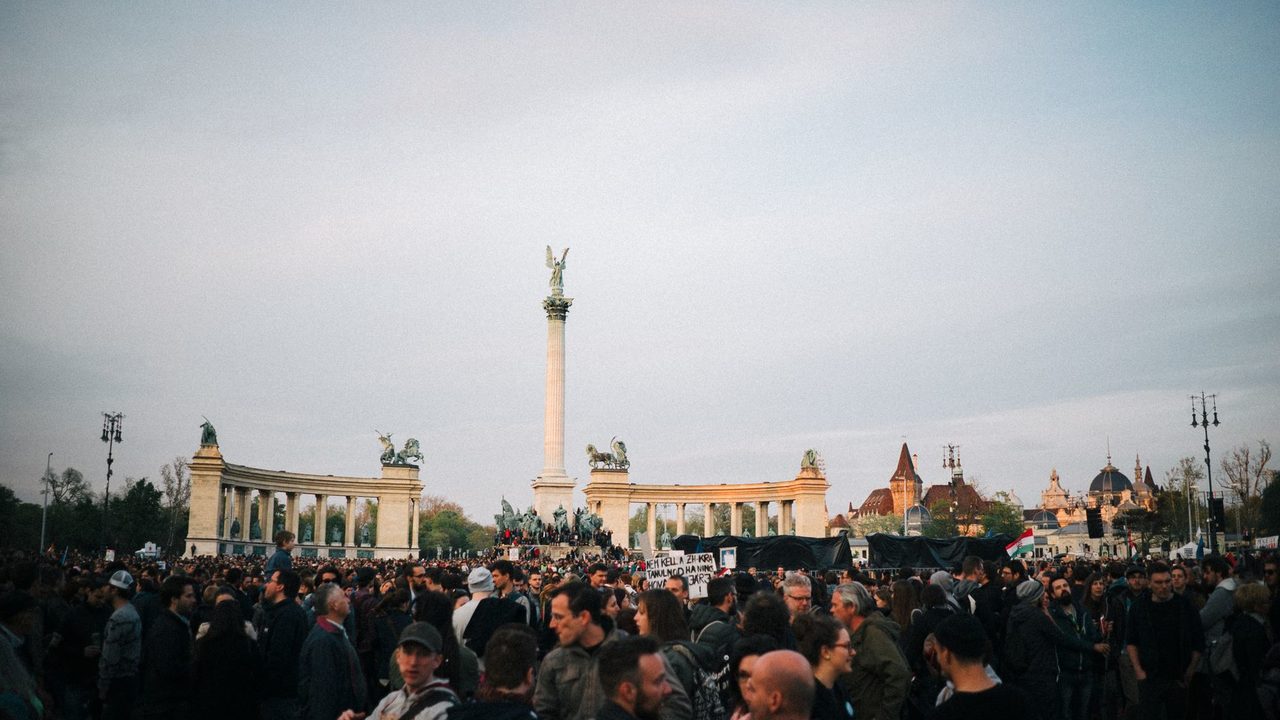
On Friday evening demonstrators filled Malostranské náměstí in Prague's Malá Strana. New rallies will take place in Brno on Saturday and on Prague's Old Town Square at 4 p.m. on Sunday. Employees of Czech Television and Czech Radio have announced a one-day strike on Nov. 3.
Overnight vote after limits on debate
The governing coalition of ANO, SPD and the Motorists added the bill to Friday's agenda and moved it to the top, although it was not on the original programme. MPs reached the opening debate about 10 hours after the sitting began. More than 60 lawmakers had registered to speak, and the coalition limited the discussion to nine hours and capped ordinary MPs' speaking time at 20 minutes.
The overnight voting time was approved on a proposal from Chamber Speaker and SPD leader Tomio Okamura. The vote concerns only the first reading, not final passage of the law.
Culture Minister Oto Klempíř called the proposal a standard European approach and rejected claims that changing the funding model is an attack on democracy or the end of the broadcasters' independence. Prime Minister Andrej Babiš likewise dismissed the opposition's warnings as lies. Okamura called abolishing the fees a key SPD priority and accused Czech Television of manipulation and of acting against the country's interests.
Weekend rallies and a November strike
The civic movement Million Moments is organising Saturday's rally in Brno and Sunday's gathering on Old Town Square. The leaders of all five opposition parties in parliament attended Friday evening's demonstration near the Chamber of Deputies. STAN leader Vít Rakušan welcomed the fact that the protesters could be heard inside parliament. ODS leader Martin Kupka criticised Okamura's handling of the proceedings, and Pirate leader Zdeněk Hřib accused the government of following an authoritarian playbook.
Criticism has come not only from politicians: objections have been raised by the Czech Syndicate of Journalists, Reporters Without Borders and the leadership of the Czech Rectors Conference. The rectors backed keeping the fees and criticised the legislative process itself. The European Federation of Journalists and the European Broadcasting Union urged MPs to allow proper scrutiny of the bill and public discussion.
The central dispute is whether direct budget funding would leave Czech Television and Czech Radio vulnerable to political pressure. The government rejects that argument, while opponents say the funding mechanism is essential to editorial independence.
Around Prague guide on the topic: Brno: what to see and where to go
Around Prague, based on reporting by expats.cz