Povodí Moravy Reports Record 12 Fish Kills This Year
USD 21,01
Popular
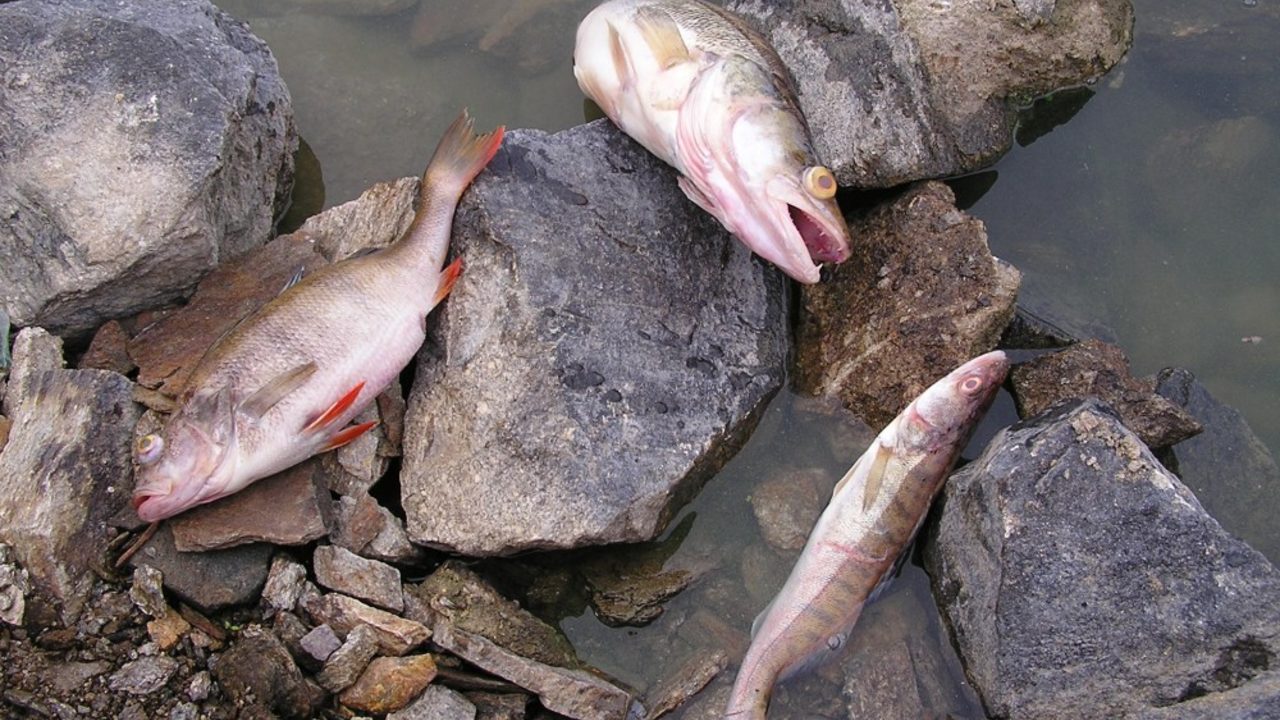
The state enterprise Povodí Moravy has recorded 12 cases of mass fish deaths this year caused by oxygen depletion in rivers — the highest number of such incidents in recent years, according to the company's spokesperson.
In summer, fish face a dangerous combination of high water temperatures and rapid blooms of blue-green algae (cyanobacteria). The warmer the water, the less oxygen it can hold. At the same time, warm water rich in nitrogen and phosphorus creates ideal conditions for blue-green algae, which release oxygen during the day but consume it heavily at night. When algae populations grow large enough, oxygen levels in the water can drop almost to zero — with fatal consequences for fish.
Algae Aren't the Only Culprit
This year, according to the company, the usual summer causes were compounded by an additional factor: sewage overflow following heavy rains that came after a prolonged drought, combined with low water levels in rivers. Povodí Moravy believes this combination was behind the death of roughly half a tonne of fish in the Držnice River in Zlín in August, as well as a mass fish kill in the Haná River near the village of Vrahovice in July.
Water sample analysis supported this theory: the samples showed elevated organic pollution and very low levels of dissolved oxygen. However, samples taken at the same location an hour and a half later already showed a noticeable drop in pollution and a rise in oxygen levels. According to the company's spokesperson, this pattern suggests that the pollution responsible for the fish deaths most likely resulted from sewage overflow and surface runoff from the catchment area after heavy rains fell on soil that had been dried out for a long period.
Source: ekolist.cz