Prague Castle's Greenhouse: A High-Tech Conservatory Open Only on Special Occasions
USD 20,81
Popular
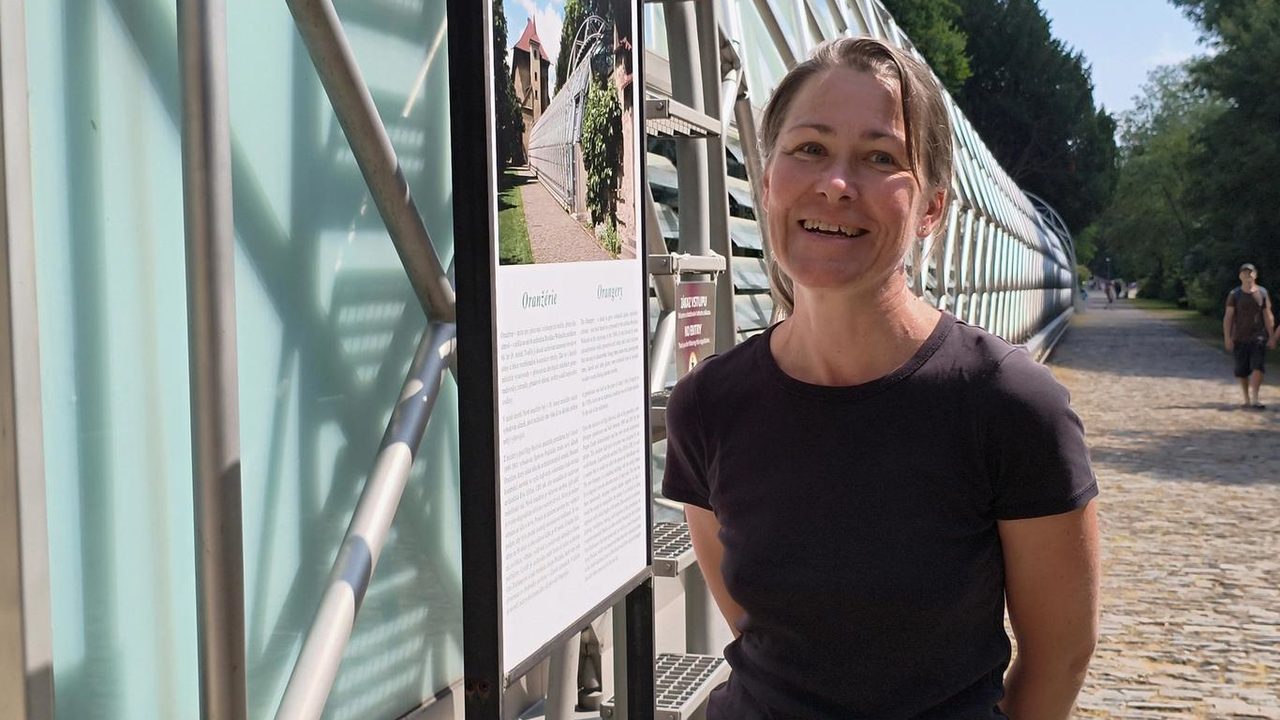
The greenhouse in the Royal Garden of Prague Castle is one of the Castle's most technologically advanced yet least accessible sites: visitors can only get inside during special events such as "Open Garden Weekends" or "Architecture Day." According to the Prague Castle Administration, the reason for the restricted access is refreshingly simple — visitors tend to walk off with the fruit grown there, pineapples included.
The nearly ninety-metre glass-and-stainless-steel structure was designed at the turn of the millennium by architect Eva Jiřičná, who still advises the Prague Castle Administration on the building's upkeep and modernisation. The idea to build it came from First Lady Olga Havlová, wife of President Václav Havel.
From Rudolf II to the Present Day
The 1999 greenhouse replaced a dilapidated 1950s glasshouse. But the tradition of growing heat-loving plants on this spot goes back much further: in the second half of the 16th century, Emperor and King Rudolf II already cultivated citrus, almonds and Mediterranean flora here. Almost nothing remains of that original greenhouse, however — during the Thirty Years' War, the Royal Garden was plundered by Saxon and Swedish troops, and today only fragments of a Renaissance-era wall survive.
According to Helena Pánková, head of the Parks and Gardens Department at the Prague Castle Administration, the Castle's gardens were founded by kings and later shaped by outstanding architects. "We want to preserve this legacy while adapting the gardens' development to the needs of the 21st century," she says. The goal is to turn the gardens into more than just a utilitarian part of the Castle grounds — to give them their own identity and history that visitors can explore on guided tours. In the same spirit, the passage into the Royal Garden through the Summer Ball Game Hall, long closed to the public, has recently been reopened.
Computer-Controlled Climate
The greenhouse is used to grow plants that decorate the Castle's representative interiors — many flowers and trees are regularly brought back there to "recover." "They rotate, in a sense: they get depleted in the interiors, then return to the greenhouse to regain their strength," Pánková explains.
When it was built, the structure was a genuine technological novelty: ventilation, shading, watering and lighting are all controlled automatically based on temperature, humidity and other data, with no human intervention required. One distinctive feature is that the steel frame of the greenhouse sits on the outside of the building rather than inside, as is usually the case — making it a textbook example of British high-tech architecture.
Despite its architectural value, a shortage of staff — guides and caretakers — currently prevents the greenhouse from being permanently open to visitors. Access therefore remains limited to special events, and during "Architecture Day," tours of the greenhouse were personally led by architect Eva Jiřičná, who continues to work with the Castle Administration on the site's future development.
Source: prazsky.denik.cz