Prague to Host Exhibition on Lake Baikal: Photos, Video and Sound Tell the Story of the World's Oldest Lake
USD 21,01
Popular
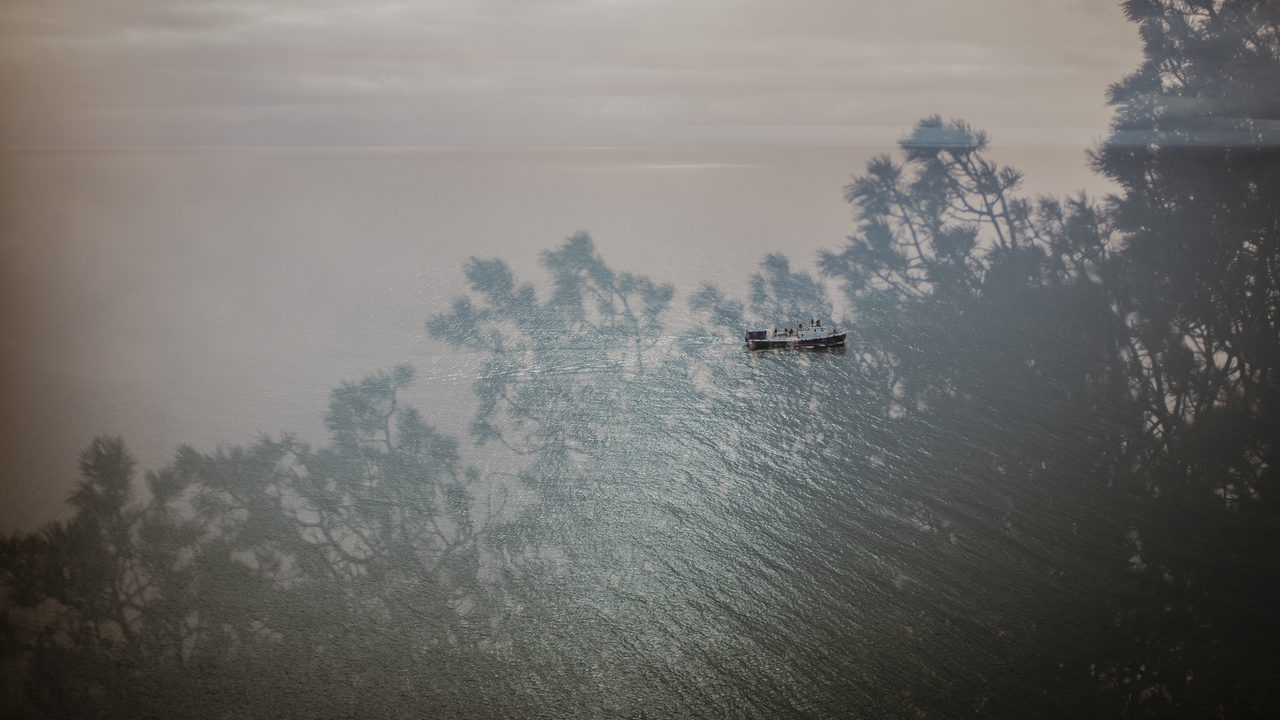
From 19 May to 16 August 2026, Prague's House of Photography (Galerie hlavního města Prahy, Revoluční 1006/5, Prague 1 – Old Town) will host the exhibition "The Second Fire: A Love Letter to Baikal", dedicated to the world's largest and deepest freshwater lake. Artists Gabriela Bulisova and Mark Isaac use photography, multi-channel video and sound installations to show how Baikal's ecosystem is being reshaped by climate change and human activity.
According to the organisers, Lake Baikal holds more than 20% of the world's freshwater reserves and boasts extraordinary biodiversity as the oldest lake on the planet. Yet today it faces a range of environmental threats: mass tourism, illegal coastal development and inadequate wastewater treatment are fuelling the spread of toxic algae and reducing the numbers of organisms that keep the water clean.
The artists stress that they didn't want to create an exhibition solely about the lake's decline. "We hope to inspire people to protect the lake — and to fight pollution and climate change everywhere," said Bulisova and Isaac. The project draws on their years of research, blending an artistic approach with scientific data.
According to Helena Musilová, the gallery's chief curator, climate change and nature conservation are no longer a secondary issue but one of the defining challenges of our time. She notes that through a delicately constructed installation, the artists show that similar problems are just as relevant to the Czech Republic and Central Europe as a whole.
Global warming is making Baikal's waters warmer and shortening its period of ice cover, affecting the lake's entire ecosystem, including its endemic plant and animal species. The centrepiece of the exhibition is a three-channel video installation titled "Dawn — Day — Dusk," depicting the lake across different timescales — from its mythological origins through the present day to a possible future.
The project is complemented by a sound composition called "Voices of the Amphipods," which transforms scientific data on how warming affects small crustaceans into music. According to the artists, the project's goal is "to combine scientific knowledge with visual experience and make complex environmental issues accessible to a wide audience."
The gallery is open Tuesday to Sunday from 10 a.m. to 6 p.m., and until 8 p.m. on Thursdays; the building is wheelchair-accessible. Tickets can be purchased via GoOut or at the gallery's box office.
Source: ekolist.cz