Science & Space By

Astronomers Match Van Gogh's Starry Night to a Real Dawn Sky in July
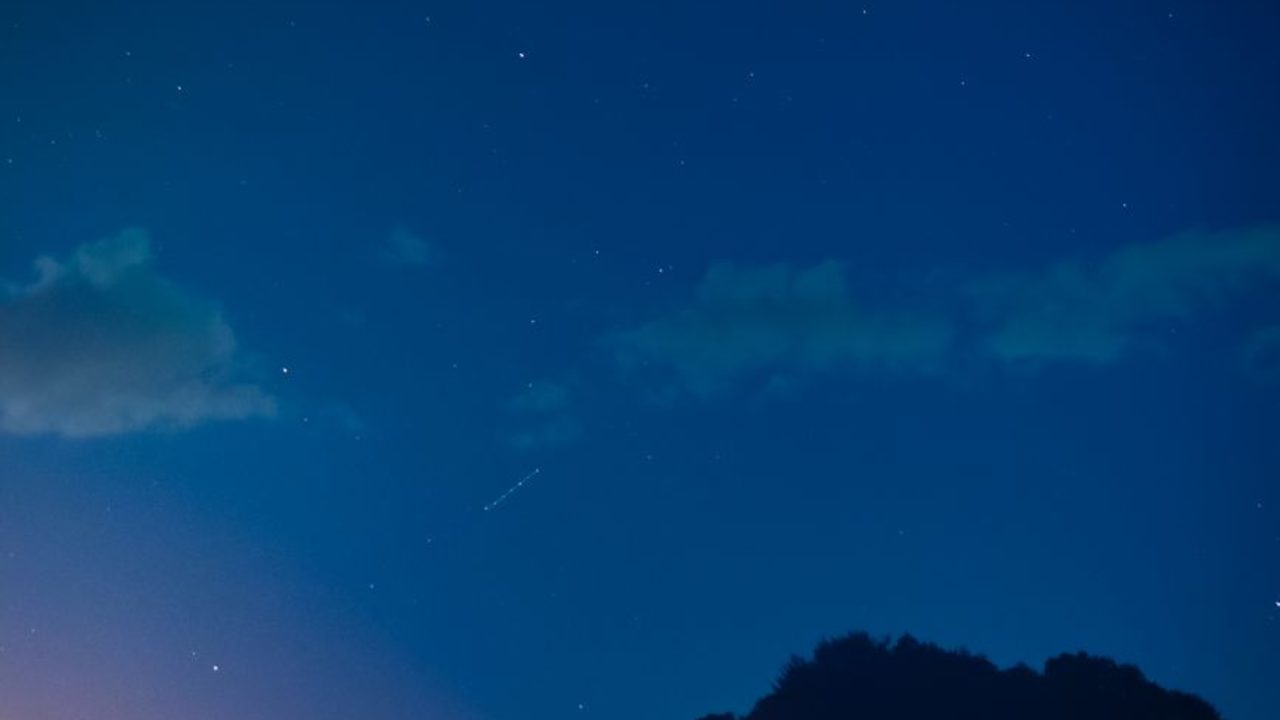
The swirling sky in Vincent van Gogh's "The Starry Night" may be a real view after all. A new study suggests it shows the pre-dawn sky seen from Saint-Rémy-de-Provence around July 22, 1889, with a waning crescent moon, Venus and the Hyades star cluster, Space.com reported.

That date is about a month later than the one most art historians have long assumed for the painting.

What did the researchers find?

A team led by Elijah Jeong-hyun Kim of Kyung Hee University and the South Korean telescope company SLLAB concluded that the stars, moon and Venus in the painting line up with the real sky near dawn on July 22, 1889. The work was published Oct. 22 in the journal Scientific Reports.

Earlier attempts to pin down the sky began in 1984 with art historian Albert Boime and astronomer George Abell at UCLA, and later involved astronomer Charles Whitney at Harvard University. Their analyses did not agree with one another, so no consensus emerged.

How did they work it out?

The team reconstructed the historical night sky from the spot in Saint-Rémy where Van Gogh is said to have painted. They then used a method called Procrustes analysis, which compares only the shape of two sets of points after matching their position, size and rotation. Kim told Space.com this suited the task because a star cluster on a canvas may be drawn larger, smaller or slightly tilted compared with reality.

Shape alone was not enough, Kim explained, since different constellations could fit about equally well. So the researchers also checked whether the stars were really in that part of the pre-dawn sky on that date, whether they fall within the painter's field of view, and whether the moon and Venus look as they do in the painting. According to Kim, only the Hyades satisfied all of those conditions.

Why does the July date matter?

Art historians have generally thought Van Gogh painted the work in June. Some leading historians also see it as stylistically different from his other works from that month, which the researchers cite in their paper. The team argues that the July match could support the idea that the painting was finished later than assumed.

Kim's proposal is that Van Gogh may have conceived the idea in June and completed the painting after July 22.

What do Van Gogh's letters say?

Van Gogh wrote about wanting to paint a starry sky well before 1889. In a letter dated April 12, 1888, he compared the challenge to painting a green meadow dotted with dandelions in daylight. Kim also pointed to a letter from between late May and early June 1889, in which Van Gogh described seeing the countryside from his window long before sunrise, with only the morning star visible.

Kim suggested these records could mean the artist watched the pre-dawn sky repeatedly, which might have led to him seeing the sky of July 22. Kim acknowledged that linking the letters to the painting's timeline draws on personal imagination, so the work does not definitively change the painting's history.

Does this settle the date?

No. The study shows that the painted sky matches the real one around July 22 in both observation and shape, but it does not show when Van Gogh actually picked up the brush. Kim said further research in art history and conservation science could shed more light on the question.

What does this mean for readers?

For anyone who has looked at one of the world's best-known paintings, the study offers a new way to see it: not purely as imagination, but possibly as a record of a real dawn that Van Gogh saw. Whether museums and art historians change how they date the work will depend on that further research.

Around Prague, based on reporting by Space.com
Share: Telegram WhatsApp

More science news

Dust From Beyond Neptune Carries Water Unlike Anything on Earth
Tiny grains of dust that drifted to Earth from the Kuiper Belt carry the chemical fingerprint of ancient water that looks nothing like the water in our oceans, according to ScienceAlert. A team led by
Three Mosquito Species Each Chase Different People, Study Finds
Whether you are a mosquito magnet may depend on which mosquito is biting. A new study from Florida International University found that three of the world's most dangerous mosquito species each go afte
Asteroid Mining Could Cut Platinum Prices by Over 75%, MIT Model Says
If companies ever bring platinum-group metals back from asteroids, the market for those metals could collapse, and a new simulation suggests that might benefit everyone except miners. Two system dynam
Hubble Image Shows Thousands of Stars Nearly as Old as the Universe
The Hubble Space Telescope has captured a view of thousands of stars shining in shades of blue, gold and orange, according to Space.com. The image shows a dense ball of stars called Messier 30, or M30
A Giant Planet Vanished From NASA's View, and a Hidden Neighbor Is Why
A giant planet about 1,000 light years away has dropped out of sight in data from NASA's TESS space telescope, and astronomers now think a hidden neighbor is the reason, according to Universe Today. T
Antarctic Ozone Hole Swells to Its Biggest Size in a Decade, NASA Says
The Antarctic ozone hole grew in 2026 to a size scientists have not seen in a decade, but NASA and NOAA say the ozone layer is still healing and remains on track to recover later this century, accordi

Related news

Tiny grains of dust that drifted to Earth from the Kuiper Belt carry the chemical fingerprint of ancient water that looks nothing like the water in our oceans, according to ScienceAlert. A team led by planetary scientist Lindsay Keller of N
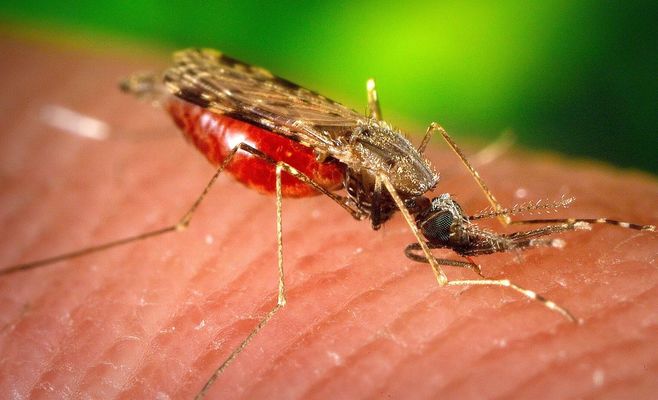
Whether you are a mosquito magnet may depend on which mosquito is biting. A new study from Florida International University found that three of the world's most dangerous mosquito species each go after a different set of people, and not one
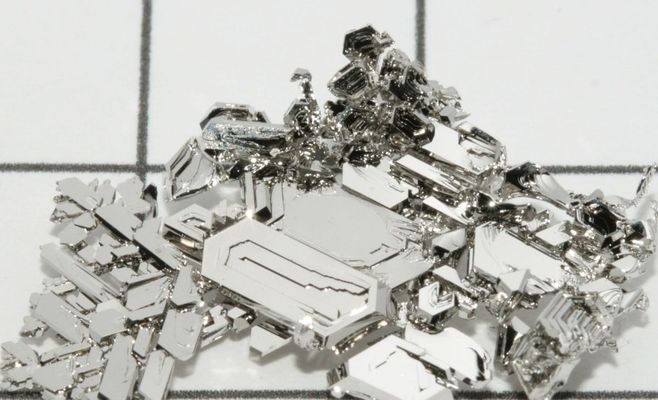
If companies ever bring platinum-group metals back from asteroids, the market for those metals could collapse, and a new simulation suggests that might benefit everyone except miners. Two system dynamicists from MIT modeled the outcome, and
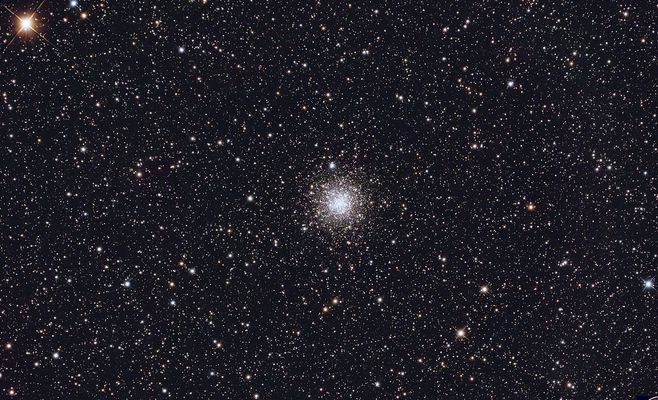
The Hubble Space Telescope has captured a view of thousands of stars shining in shades of blue, gold and orange, according to Space.com. The image shows a dense ball of stars called Messier 30, or M30, and was released by the European Space
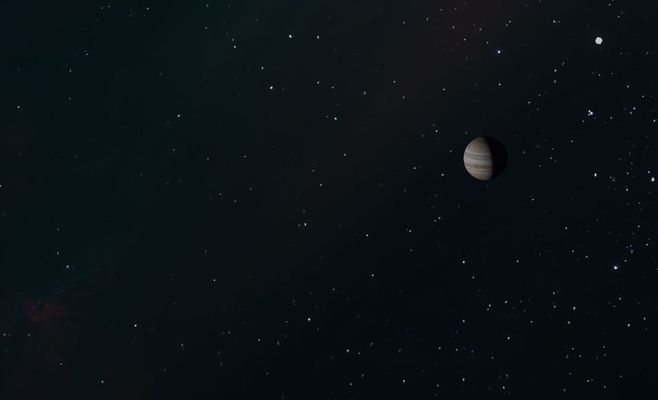
A giant planet about 1,000 light years away has dropped out of sight in data from NASA's TESS space telescope, and astronomers now think a hidden neighbor is the reason, according to Universe Today. The planet, a hot Jupiter named TOI-2535b
The Antarctic ozone hole grew in 2026 to a size scientists have not seen in a decade, but NASA and NOAA say the ozone layer is still healing and remains on track to recover later this century, according to ScienceDaily. The cause was weathe
SpaceX plans to launch Starship Flight 15 on Friday, Nov. 13, in an attempt to bring both stages of its giant rocket back to the launch pad, Space.com reported. If it works, it would be the first full recovery of an orbital rocket in histor
Scientists who surveyed two far-flung coral atolls in the Pacific say the sites hold some of the most intact ocean ecosystems left in the region, according to ScienceAlert's report on a new study in Frontiers in Marine Science. The atolls,
A five-year project to restore Scotland's rare Atlantic rainforest has been awarded almost £6 million from the National Lottery Heritage Fund, the BBC reported. The money will pay for three community hubs, and for training and work for loca
Two physicists at the University of New Hampshire have built a gravity model in which time can only run forward, which would rule out looping back into your own past. The catch, according to ScienceAlert, is that the model is unstable in it
Earth has a temporary new companion: a tiny asteroid called 2026 QQ8 that is circling the planet as a so-called mini-moon. According to Meteored's YourWeather, the Minor Planet Center, the clearinghouse for small-body observations run under
The dire wolf was not brought back from extinction, two U.S. scientists argue in a new paper. According to ScienceAlert, the animals that biotech company Colossal Biosciences announced in 2025 were gray wolves with a handful of dire wolf tr