Hunter's Moon Rises This Weekend, Starting a Run of Four Supermoons
USD 21,74
Popular
October's full Moon, known as the Hunter's Moon, will light up the night sky this weekend, the BBC reported. It is the 11th full Moon of 13 in 2026 and the last one before a run of four supermoons in a row.
Viewers in the United Kingdom can watch it from Sunday, Oct. 25, into the morning of Monday, Oct. 26. Because the Moon will look full on both nights, skygazers get two chances to see it.
When to look
According to the BBC, the Moon will rise in the east just after 16:00 GMT on Sunday and set in the west between 07:00 and 08:00 GMT on Monday. Times vary across the country.
The Moon becomes officially full at 04:11 GMT on Monday. That is the moment of “syzygy,” when the Sun and Moon line up on either side of the Earth. During a full Moon, the entire Earth-facing side is lit by the Sun.
Why the Moon may look orange or oversized
Low in the sky, the Moon can take on an orange or reddish tint. The BBC explained that its light passes through a deep layer of atmosphere, which scatters short-wavelength blue light. Longer-wavelength red and orange light is scattered less easily, so it reaches our eyes.
The Moon can also seem larger near moonrise and moonset. This is the “Moon Illusion,” which happens when the brain compares the Moon with buildings and trees on the horizon.
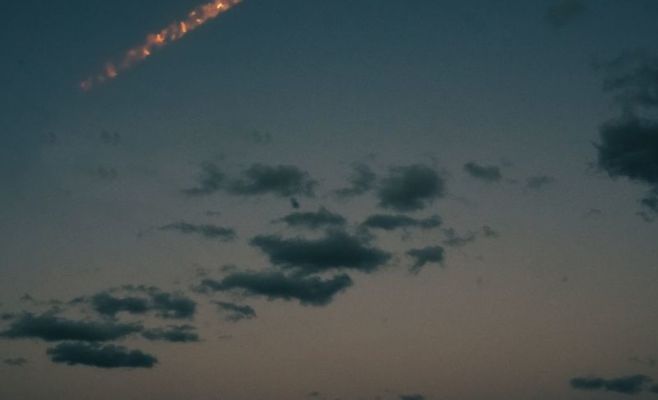
The Orionid meteor shower is just past its peak, so a few shooting stars are possible. The BBC noted that the bright moonlight may hide some of them, and it advised patience and time for your eyes to adjust.
Where the name comes from
Full Moons have traditionally been named for what is happening in nature. Cultures use different names for the 12 or 13 full Moons of the lunar calendar, and many of the common names used today come from Native American cultures.
The term Hunter's Moon refers to the time of year when hunters were busy preparing for the colder, darker winter. The BBC said this Moon is known to stay in the sky for a particularly long time, like the Harvest Moon before it, which gave hunters extra light.
The weather outlook
Storm Boelo will keep bringing rain and very strong winds to northern Scotland early on Sunday night, according to the BBC. Chances of seeing the Moon improve as the night goes on.
West Scotland and north-west England face plenty of blustery showers, and gaps between them could offer a brief view. Prospects are better across the rest of the UK, especially early in the night, before cloud spreads in from the south-west later.
The dates ahead
- Oct. 25: The Hunter's Moon rises just after 16:00 GMT.
- Oct. 26: The Moon is officially full at 04:11 GMT and sets between 07:00 and 08:00 GMT.
- Nov. 24: The next full Moon, the Beaver Supermoon.
- Dec. 24: The Christmas Eve Cold Supermoon.
- Early 2027: January's and February's full Moons are also set to be supermoons.
What it means for skywatchers
Anyone who misses the Hunter's Moon because of cloud has a second night to try, and the following full Moons offer more chances. The BBC said the next one is the Beaver Supermoon on Nov. 24, followed by the Cold Supermoon on Dec. 24.
For this weekend, the practical points are simple: the Moon is most striking when it is low on the horizon, the forecast will decide how much of it can be seen, and the bright light may wash out the last of the Orionid meteors.
Around Prague, based on reporting by BBC News