Rare Elite Shoe and Slave-Trade Rings Found on Danish Ship Sunk After Mutiny
USD 21,91
Popular
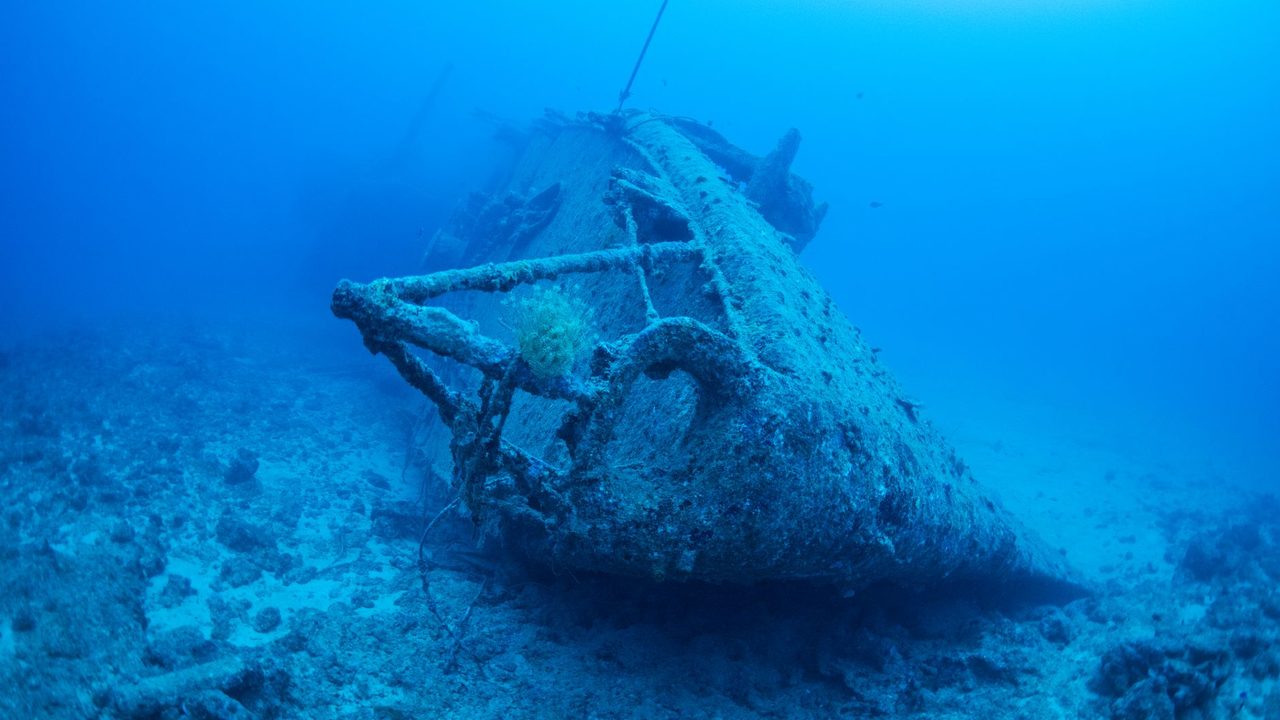
Maritime archaeologists working on a 17th-century shipwreck off the coast of Sweden have recovered the rear half of an unusually fine man's shoe and two metal rings once used as currency in the transatlantic slave trade, Live Science reported. The objects come from the Danish frigate Havmanden, which was lost after a mutiny in 1683.
According to a Nov. 11 statement from the National Museum of Denmark, the finds shed new light on one of the most violent mutinies in Danish history, and on the colonial and slave-trading ambitions the ship was carrying.
What happened aboard the Havmanden
The Havmanden, whose name translates to "Merman," was headed for St. Thomas, a Caribbean island that is now part of the U.S. Virgin Islands. On board were convicts and indentured servants meant to work for the Danish West India Company. Live Science reported that the ship was then supposed to continue to West Africa to buy enslaved Africans.
A shortage of food and water changed the voyage. Several crew members and convicts seized control of the ship near the Azores and turned back toward Copenhagen. The mutineers shot the captain and threw other officers overboard in the English Channel, among them Jørgen Iversen Dyppel, the first governor of the Danish West Indies. After the ship ran aground, the mutineers were tried in Copenhagen and sentenced to death.
The wreck now lies on the seabed just east of Gothenburg, Sweden.
The shoe and the manillas
Divers found the back half of the shoe in the wreckage. Vivi Lena Andersen, director of the Rudersdal Museums in Denmark, said in the museum statement that she has seen many shipwreck shoes but never one of such high quality. She pointed to tiny, evenly spaced holes along the edge of the sole, which would have demanded tools and skill that only the best shoemakers of the time had. In her words, it was "undoubtedly an expensive and exclusive shoe" that only the elite could afford.
Because the owner was probably wealthy, experts think the shoe could have belonged to Iversen, the governor who was thrown overboard. That is a hypothesis rather than a confirmed identification.
The two manillas are ring-shaped pieces of metal that European merchants cast from copper, brass or iron and traded for enslaved people in West Africa, particularly along the coast of modern-day Nigeria. According to the statement, manillas are rarely found in Scandinavia. Andreas Kallmeyer Bloch, a maritime archaeologist at the National Museum of Denmark, said they underline the ship's link to the slave trade, which was central to Denmark's colonial activities in both the West Indies and West Africa.
How we got here: key dates
- 1683: The Havmanden mutiny takes place, the governor is thrown overboard and the ship is later lost.
- 1792: King Christian VII of Denmark-Norway bans the slave trade, more than a century after the Havmanden sank.
- 1848: Slavery in the Danish West Indies ends after hundreds of enslaved people revolt and are granted their freedom.
Why it matters
The finds give historians physical evidence for a story that is otherwise known mostly from written accounts. Kallmeyer Bloch said the shoe offers a personal way into the larger story of how the Danish colonies in the West Indies were established and of Denmark's part in the widespread slave trade.
The manillas are a concrete reminder of how that trade worked: goods made in Europe were exchanged for people on the African coast. Because such objects are rarely found in Scandinavia, this wreck is an unusual place to see that history.
The museum statement did not describe further planned work at the site.
Read next
Divers Find German U-Boat Off Devon Coast Once Thought a Sailing Ship Wreck
Why a Round-the-World Cruise Ship Ended Its Voyage in Cambodia
France Dig Finds Two Warrior Graves and Buried Warhorses From Rome's Fall
Around Prague, based on reporting by Live Science