Scientists find: traditional cottage gardens are helping save birds in the countryside
USD 20,94
Popular
Traditional small cottage gardens and a varied rural landscape play a key role in preserving bird populations in agricultural areas. That is the conclusion of a new study covering 97 observation routes, on which more than 11,000 individual birds from 78 species were recorded.
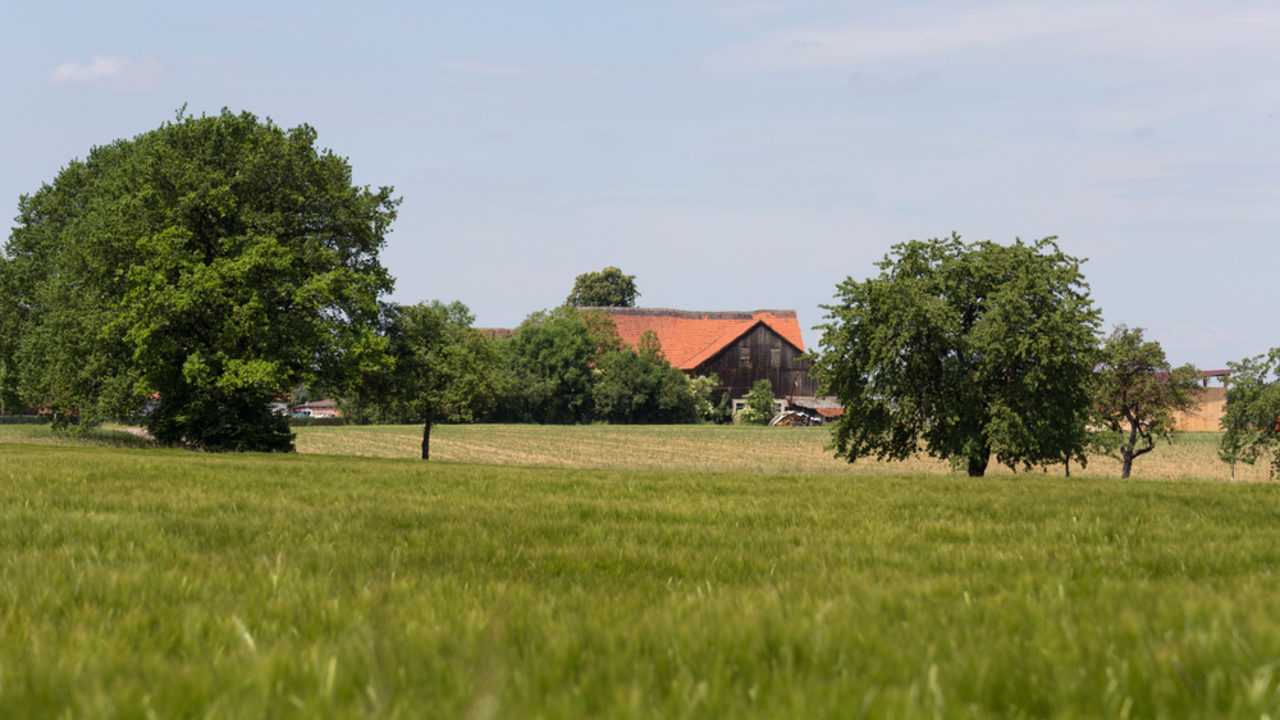
"It's precisely the diversity of the landscape — a mix of small fields, field margins, grassy strips, orchards, vineyards and other features — that creates suitable conditions for a wide range of species," explains lead author Martin Šálek.
Villages versus large fields
According to the study, villages showed the highest numbers and species richness of bird communities, followed by areas with small-scale farming. Intensively farmed large agricultural areas, on the other hand, recorded the lowest figures.
"Our results clearly show that small-scale farming around human settlements can play a key role in protecting bird populations in agricultural landscapes," said Martin Šálek. According to him, the positive effect of small-scale farming isn't limited to the gardens themselves — it extends to the surrounding large fields and to the settlements as well.
Villages as a last refuge
Traditional rural settlements are of particular importance, serving as a lifeline for many bird species for which the surrounding intensively farmed landscape has become inhospitable. "For some species, such as the little owl, the barn owl or the crested lark, traditional village settlements and farms are a key habitat for survival," the scientist added.
However, as the share of new and renovated buildings grows, bird numbers and species diversity decline. According to Šálek, modern buildings are technically more advanced but often lack the small architectural features and micro-habitats that birds rely on for nesting or foraging. Compounding this is the growing uniformity of the environment — for example, the replacement of diverse gardens with neatly trimmed lawns or ornamental plantings of lower ecological value.
What scientists are proposing
According to the researchers, protecting biodiversity in agricultural landscapes is impossible without supporting traditional small-scale farming. This isn't about returning to the past, but about a strategic investment in a more sustainable landscape, food security, climate change adaptation, and the preservation of European biodiversity.
"If we want to halt the dramatic decline in numbers of farmland birds and other species, we need to support not only traditional forms of farming but also take a careful approach to changes in rural settlements," Martin Šálek stressed. Equally important, he said, is reforming the system of agricultural subsidies so that it encourages landscape diversity, careful farming practices and the preservation of traditional farming methods.
"Beyond food production, agricultural policy needs to take into account the importance of the landscape for preserving biodiversity and providing the ecosystem services essential to the functioning of both society and natural ecosystems," the scientist concluded.
Source: ekolist.cz