What further rate rises mean for 2.3 million homeowners remortgaging
USD 22,10
Popular
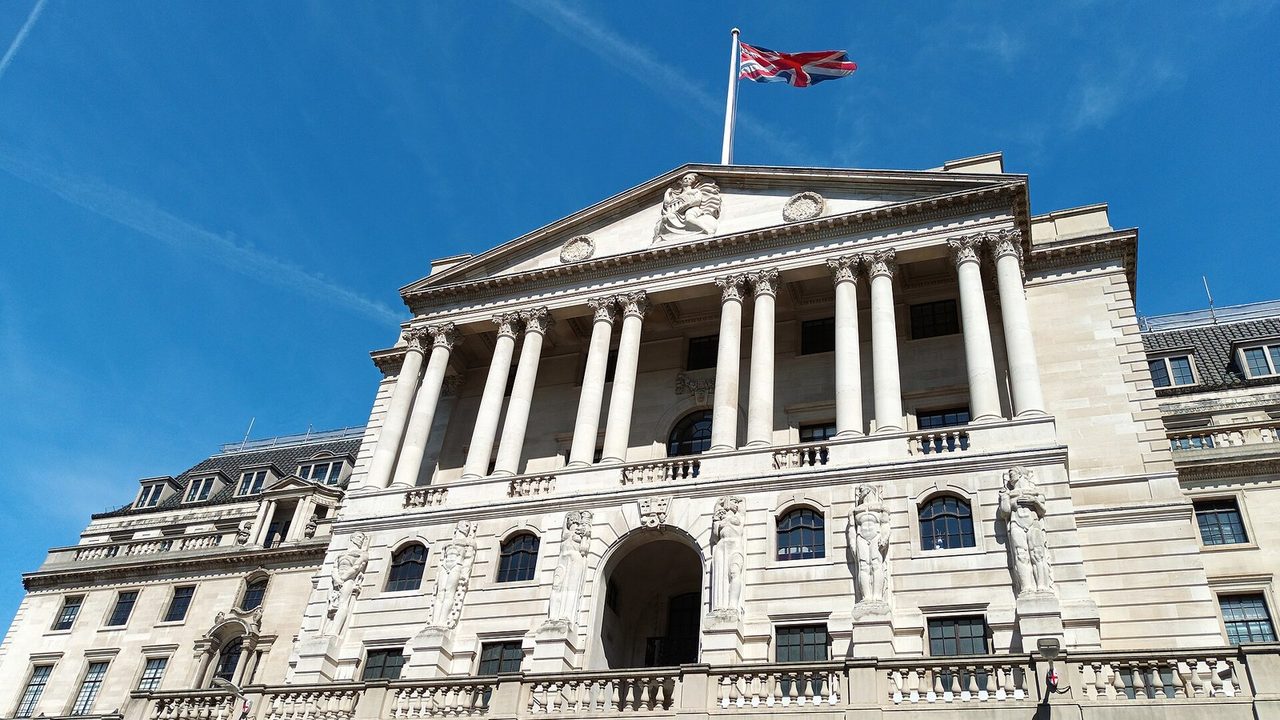
The Bank of England will probably need to raise interest rates again next month and early in 2027, its chief economist, Huw Pill, has said. According to the Guardian, that points to a sharp rise in repayments for an estimated 2.3 million homeowners who have to refinance their mortgages next year.
Pill told the Financial Times that the recent move from 3.75% to 4% was an important step but that "we have further to go". The Independent reported that it was the first rise in nearly three years.
What it means for mortgage holders and households
The Guardian reported that the 2.3 million homeowners due to refinance next year face higher payments if rates keep climbing. Financial markets expect UK interest rates to rise to almost 5% in 2027, and Pill described that expectation as "not outrageous".
Pressure on household budgets could also come from elsewhere. The Guardian said the energy price cap is expected to rise to almost £2,000 for a typical home in the new year. Council tax bills are expected to increase by an average of almost 5% at the same time. The paper said households are likely to cut back on spending as a result.
Inflation is currently 3.5%, according to the Independent, driven by higher oil costs and the Iran war. Both papers said it is forecast to reach 5% next spring.
Why the Bank is worried about wages and prices
Pill's main concern is what economists call second-round effects. These arise if higher energy costs push companies to raise their prices and workers to demand bigger pay rises, which would keep inflation high for longer. The Guardian said he expects both public and private sector workers to seek substantial pay rises.
Both papers reported that the Bank has not yet seen clear evidence of this. Pill said a lack of evidence did not prove it would not happen. He said signs could emerge next year and that they could go either way. His own bias, he said, was to worry that the inflationary impact would be magnified.
He also said the Bank should have moved earlier. "In my view, we waited too long," he said. The Independent reported that he linked the timing to the need to be in a stronger position amid what he called radical uncertainty.
The Guardian said Pill considers an end to the US-Israeli conflict with Iran, and a fall in energy prices as a result, to be very unlikely. It reported that he is ready to vote for another quarter-point rise next month. He also hinted he could support bigger increases at coming meetings of the Monetary Policy Committee (MPC), because the scope to be modest "has diminished".
The Independent reported that Pill declined to say whether he backed everything currently priced into markets. He said the risks he sees would justify some of the increases built into market pricing.
Where economists disagree
The Guardian said Pill is among several MPC members who believe the UK economy has strengthened over the past year, which has given workers more power to push up wages. Recent figures showed growth of 0.7% in the third quarter. According to the paper, the annual growth rate was matched among G7 countries only by the US.
Other voices are more cautious. The Guardian said many people are worried that higher borrowing costs will hurt manufacturing and construction, with construction having contracted for much of the year. City analysts, it added, regard a December rise as almost inevitable given the increasingly hawkish tone of Pill and other MPC members.
The National Institute of Economic and Social Research (NIESR) told the Independent it expects one more rise from the Bank. The think tank believes that would not be enough, saying rates would need to reach as high as 5% to address the risk of second-round effects. It said inflation would otherwise not return to the 2% target until late 2030.
What happens next
The MPC's next meeting is in December, when Pill is expected to back a further quarter-point increase. He also signalled that more rises would probably be needed in early 2027. The Bank has said it will do what is necessary to bring inflation back to 2%.
Read next
Bank of England Raises Rate to 4%, First Hike in Over Three Years
Fed Minutes Show Most Officials Expect Another Rate Hike This Year
What Record-High Treasury Yields Mean for Borrowing Costs and Markets
Around Prague, based on reporting by The Guardian, The Independent
Cover photo: acediscovery / Wikimedia Commons, CC BY 4.0, cropped