Fed's Waller Says 50-Basis-Point Hike Should Be Considered in December

USD 21,76
Popular
Federal Reserve Governor Christopher Waller said Tuesday that a 50-basis-point interest-rate increase should be considered at the central bank's December meeting if core inflation remains elevated, according to TradingView, which summarized his remarks. He spoke just ahead of the release of the October consumer price index report.
Waller said he would still prefer a smaller 25-basis-point move if inflation improves. But he warned that raising rates by only 25 basis points when price pressures persist could damage the Fed's credibility.
What Waller said about the December decision
Speaking at the Bank of England Watchers Conference in London, Waller said another monthly core CPI reading of around 0.3% or higher could call for stronger action. On the risk to the Fed's credibility from a smaller hike, he said it was "A risk I am not eager to take."
He explained that he backed keeping rates unchanged in October because the Fed's public messaging had already led financial markets to price in some tightening. What matters now, he said, is that the hikes the Fed has signaled are carried out within a reasonable time. Failing to follow through, he argued, could unintentionally ease monetary policy.
The inflation data behind his view
Waller pointed to September figures from the Bureau of Economic Analysis. Headline personal consumption expenditures (PCE) inflation rose 0.5% from the prior month and 3.6% from a year earlier. Core PCE, which strips out food and energy, rose 0.3% on the month and 3.1% annually.
He said more than 70% of the components of core PCE services prices showed 12-month increases above 3% in September. He cited elevated prices for core goods and for market-based services excluding housing.
Waller also said the latest ISM data, for October, suggest more price increases could be coming.
AI spending and energy costs
Waller said Fed staff have studied how the AI buildout and high energy prices affect inflation, and that their findings give him little reason to expect those pressures to fade soon. He also cited research suggesting elevated energy prices could weigh on core inflation for longer, possibly well into 2027.
He noted reports that higher shipping insurance costs and ship-to-ship oil transfers meant to guard against Iranian attacks were adding $20 to $30 a barrel to oil prices. Refining constraints, he said, could keep diesel prices high.
Growth is solid, hiring is slow
Waller described economic output as growing at a healthy pace. Third-quarter gross domestic product rose 3.4%, he said, supported by consumer spending and investment, particularly in AI infrastructure. He expects growth to ease somewhat in the fourth quarter as spending settles at levels more in line with household income and wealth, though he still sees solid expansion.
Unemployment fell to 4.1% in October. Even so, Waller questioned whether the current "low hire, low fire" labor market is a healthy one. He said it has lost some dynamism that matters for productivity growth and real wages, and he noted that some firms are delaying hiring after making AI investments.
What this means for households and markets
Waller's comments suggest that further Fed tightening is possible and that its size could depend on upcoming inflation data. In the Fed research he cited, energy-driven price pressure could last well into 2027, and diesel costs could stay elevated. He also described a job market in which employers are slow to hire.
The October CPI report is the next test. According to CNBC, economists polled by Dow Jones expect headline CPI to rise 0.3% from September and core CPI to rise 0.2%, both slower than the previous month. Waller said a core reading around 0.3% or higher would strengthen the case for a bigger move.
U.S. stock futures were mixed ahead of the report, TradingView said. S&P 500 futures edged up 0.05%, Dow Jones Industrial Average futures gained 158 points, or 0.3%, and Nasdaq-100 futures slipped 0.29%.
What comes next
The October CPI data is due Tuesday, and the Fed's next decision on rates is in December. Waller said he favors the smaller increase if inflation improves, and that the larger one should be considered if core inflation stays elevated.
Read next
Fed Minutes Show Most Officials Expect Another Rate Hike This Year
Fed Expected to Hold Rates Steady Days Before Midterms as Inflation Stays Hot
Fed Keeps Rates at 3.75% to 4% as Oil-Driven Inflation Tests Policymakers
Around Prague, based on reporting by TradingView
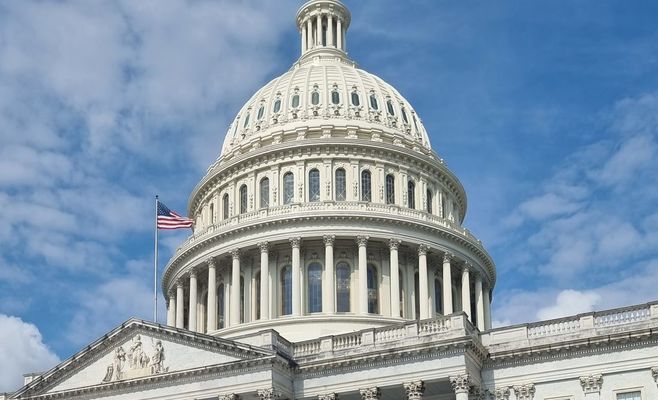
Cover photo: Federalreserve / Wikimedia Commons (public domain)