Floods Lift Lake Powell More Than 20 Feet, Easing Southwest Drought
USD 21,80
Popular
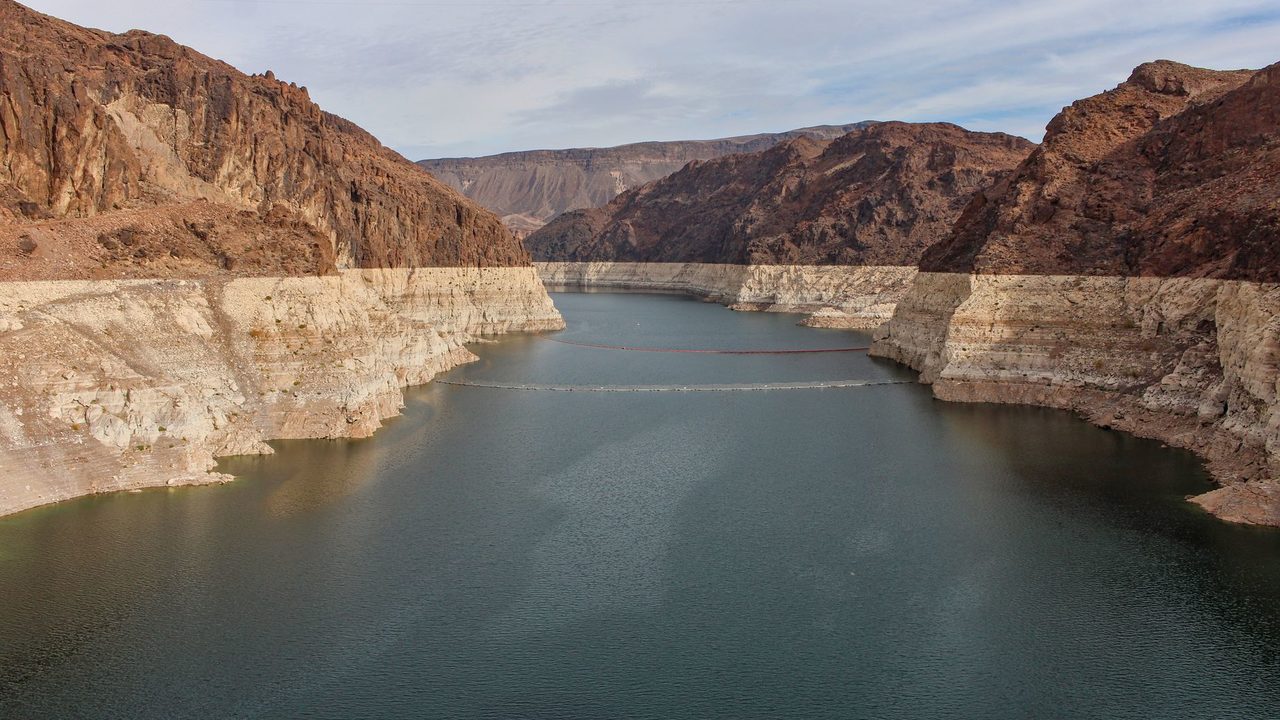
Storms that flooded communities across the U.S. Southwest in late October and early November are also delivering a rare boost to reservoirs that had sunk to record lows during a yearslong megadrought, according to ABC News. Lake Powell, the second-largest reservoir in the country, has risen more than 20 feet from its mid-September low.
The relief is real but limited. The lake is still just over a quarter full, the region remains in drought, and federal water managers say they do not plan to change course yet.
The key numbers behind the Southwest's rain surge
- More than 20 feet: How much Lake Powell has risen since its mid-September low. Martin Hoerling, a climate scientist and hydrologist at the University of Colorado, Boulder, said that gain dwarfs what this year's snowmelt added.
- Just over a quarter full: Lake Powell's level despite the rise. As of Friday, 15 of its 17 boat launches were still unusable.
- Over 1.2 million acre-feet: The total gain Hoerling estimated the lake could reach if floodwaters and additional rain keep flowing in. He said that is enough to support around 4 million average families for a year.
- About 7 inches: Rain that fell around Pagosa Springs, Colorado, in October. More than 10,000 people in the town and nearby communities had been under water restrictions before the storms. Those limits have been lifted, town manager David Harris said.
- More than 3 billion gallons: Water that has flowed into Upper Lake Mary since early October, said Brian Huntzinger, Flagstaff's water production manager. The reservoir supplies the Arizona city with up to 40% of its water.
- 1.25 million acre-feet: The annual cut in water use that California, Nevada and Arizona are set to make collectively over the next two years under the federal plan for the Colorado River's Lower Basin.
Why a flood-heavy autumn helped
Last winter's weak snowfall did little to refill lakes and aquifers when it melted in spring and summer, the period when they usually gain the most. Then El Niño, a climate pattern that has intensified heavy rain and flooding, arrived. Experts told ABC News its effects should last several more months and could add further to water supplies across the West, where water is stored mainly in lakes, aquifers and snowpack.
The storms were destructive. Hundreds of people were told to evacuate, some areas were cut off, and in central Arizona floodwaters trapped people in their homes. Hoerling said most of that water will still end up in depleted lakes and underground aquifers, calling it an unexpected boost from nature.
Huntzinger said storms last weekend put the equivalent of more than two years of water into Flagstaff's surface supply, giving a buffer to a system that relies heavily on underground aquifers. He said the reservoir might overflow before any snow falls.
In central Arizona, runoff swelled streams feeding the Verde River. Bo Svoma, principal meteorologist at the Salt River Project, which manages reservoirs on the Salt and Verde rivers, said officials released water from two nearly full dams into the river's normally dry stretch in metro Phoenix.
What this means for Southwest water users
For residents of some communities, the effect has been immediate. Pagosa Springs is no longer under water restrictions, and Flagstaff has a larger cushion in a key reservoir. Harris said the storm also gave the higher elevations a good start to the winter snowpack.
The benefit for the wider Colorado River system is less certain. The region is still in drought, and the decision to divide Colorado River water has already been made. Jack Schmidt, a Utah State University professor who studies the river, said the U.S. Bureau of Reclamation is unlikely to alter water releases from Lake Powell or elsewhere until it knows when the snowpack has peaked, typically around April. Reclamation spokesperson Mary Carlson said conditions have improved but “considerable uncertainty remains.”
The planned reductions in California, Nevada and Arizona are equal to enough water to fill more than 600,000 Olympic-sized swimming pools, and larger cuts are possible depending on conditions. Nevada and Arizona are challenging the plan in court.
What comes next
Water managers are watching the winter snowpack, with the typical peak around April the point when release decisions may be revisited. Svoma said some Arizona cities have agreed to fund preliminary work on expanding an existing dam on the Verde River to capture storm runoff and reduce reliance on the Colorado River. Hoerling said the region still needs to find ways to be resilient in a drier future and is not there yet.
Read next
Medieval Deforestation Set Up Italian Lake Tsunamis With Waves Over 50 Meters
Four Corners Floods Force Evacuations and Rooftop Rescues, With More Rain on the Way
Polar Vortex Weakens Earlier Than Ever Recorded: What It Means for Winter
Around Prague, based on reporting by ABC News