Supreme Court Lets Trump Resume Big Bend Border Wall Work in 8-1 Ruling
USD 21,76
Popular
The Supreme Court on Monday allowed the Trump administration to resume building a border wall and related roads in the Big Bend region of West Texas while a lawsuit over the project continues. The court lifted an injunction from a federal judge that had stopped all construction in the area, which includes Big Bend National Park.
The unsigned, five-page decision came over a single dissent from Justice Ketanji Brown Jackson. Environmental groups and local residents who sued say the work could cause permanent damage before courts decide whether it is legal, according to NBC News and CBS News.
What did the court decide?
The justices granted the administration's emergency request and set aside the order issued by U.S. District Judge Kathleen Cardone, NBC News and CBS News reported. That order barred construction and "any construction or ground disturbing activities" in the Big Bend sector, according to CBS News. The underlying lawsuit is still pending.
Jackson would have denied the request, according to both outlets. A Department of Homeland Security lawyer, James Percival, wrote on X that the administration had won 8-1, NBC News reported.
Why did the majority side with the administration?
The court said the lower-court judge likely lacked the authority to issue the order, and that the administration was "extremely likely to prevail" on that point, NBC News reported. ABC News reported that the majority found the law sharply limits judges' ability to intervene when the government decides fast border barrier construction is needed.
The court also said the order got in the way of the government's "compelling interests" in border security, according to CBS News. It added that the challengers' concerns about losing use of the area are outweighed by Congress's evident preference, in the 1996 immigration law, for quick border construction over environmental harms, CBS News reported.
What is the dispute about?
Homeland Security used a provision of that 1996 law to waive environmental and historic preservation requirements that normally apply before construction. Three waivers covered the Big Bend region, issued by then-Secretary Kristi Noem in February and by her successor, Markwayne Mullin, in May and July, according to NBC News.
The plaintiffs are the Center for Biological Diversity, a nonprofit working to restore a historic church, and a river guide who owns property nearby. They argue the law permits only limited waivers where illegal crossings are pervasive, NBC News reported. Cardone found Congress likely had not clearly authorized such broad waivers for a stretch with the lowest migrant apprehension rate on the southern border, according to ABC News.
The administration argued that illegal crossings and drug seizures do occur in Big Bend and that a gap in the wall could funnel more traffic there. Solicitor General D. John Sauer also warned that halting construction already under way would bring irreversible delays and costs, CBS News reported.
What does the project involve?
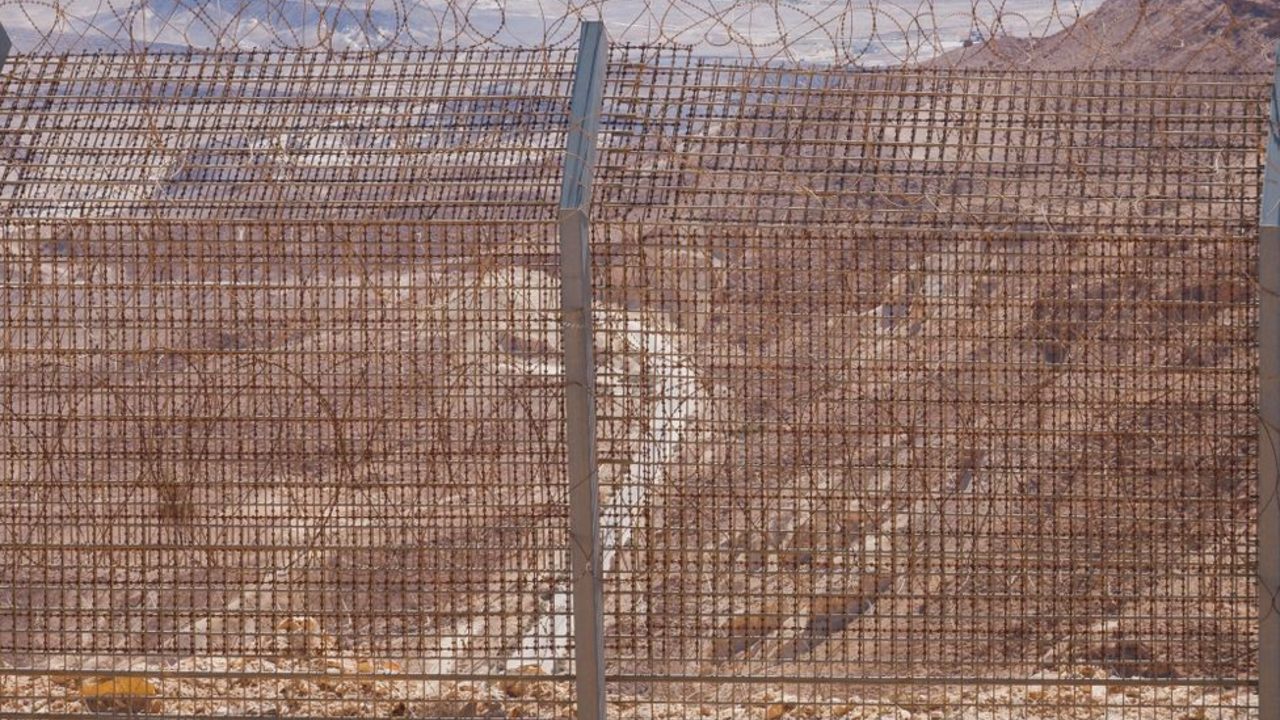
The government says the section would involve 341 miles of construction, according to NBC News. CBS News reported that the Big Bend sector covers more than 500 miles of border. Federal plans include 30-foot steel walls in some areas, vehicle barriers and new roads, ABC News reported.
According to Customs and Border Protection, cited by CBS News, the 30-foot wall will not cut through Big Bend National Park, but more than 200 miles of patrol roads and roughly 17 miles of vehicle barriers would. Construction of a 47-mile stretch in Hudspeth County began in September, according to immigration agencies cited by CBS News.
Why does it matter?
For people who live, work or travel in the region, the ruling means construction can proceed in an area that includes the national park, Big Bend Ranch State Park and nearly 200 miles of the Rio Grande Wild and Scenic River corridor, according to CBS News. The plaintiffs' lawyers told the court that once habitat is cleared and roads are cut, no final judgment can restore the earlier conditions.
The ruling also bears on the wider wall effort. Republicans in Congress funded the project with $46 billion last summer, and Customs and Border Protection has been building 12 miles of barriers a week along the border, ABC News reported. Officials have said an unbuilt Big Bend section would be exploited by people trying to cross illegally, according to NBC News.
The opposition has crossed party lines. ABC News reported that bipartisan opponents call the wall a waste of money that threatens the local economy and way of life, and say surveillance technology such as drones could do the job. CBS News reported that Republican and Democratic lawmakers, ranchers and local law enforcement in Texas pushed back after images of bulldozers at the national park circulated in August. Scott then paused work until the end of September, CBS News reported.
What happens next?
The Supreme Court's order is not a final ruling on whether the waivers are lawful. The litigation over them continues in the lower courts, according to CBS News, while the administration is free to move ahead with construction in the meantime.
Read next
Virginia and D.C. Challenge Trump's Planned Arch in Federal Court
Supreme Court Leaves Pentagon's Cancellation of 9/11 Plea Deals in Place
Judge Halts Taxpayer-Funded Trump Ads: What the Order Does and Doesn't Do
Around Prague, based on reporting by NBC News, CBS News, ABC News