Trump Waives Russia Sanctions and Questions Zelenskyy's Role as U.S.-Ukraine Rift Widens
USD 21,68
Popular
Relations between the United States and Ukraine have reached a new low, according to ABC News, after President Donald Trump waived sanctions on Russia that Congress had passed, said it was time for someone else to speak for Kyiv in peace talks, and faced questions over disruptions to satellite support for Ukrainian drones.
The moves come about two weeks before the midterm elections and have drawn criticism from Democrats and some Republicans. The administration disputes parts of the account that Ukraine and critics have given.
What happened in the past week
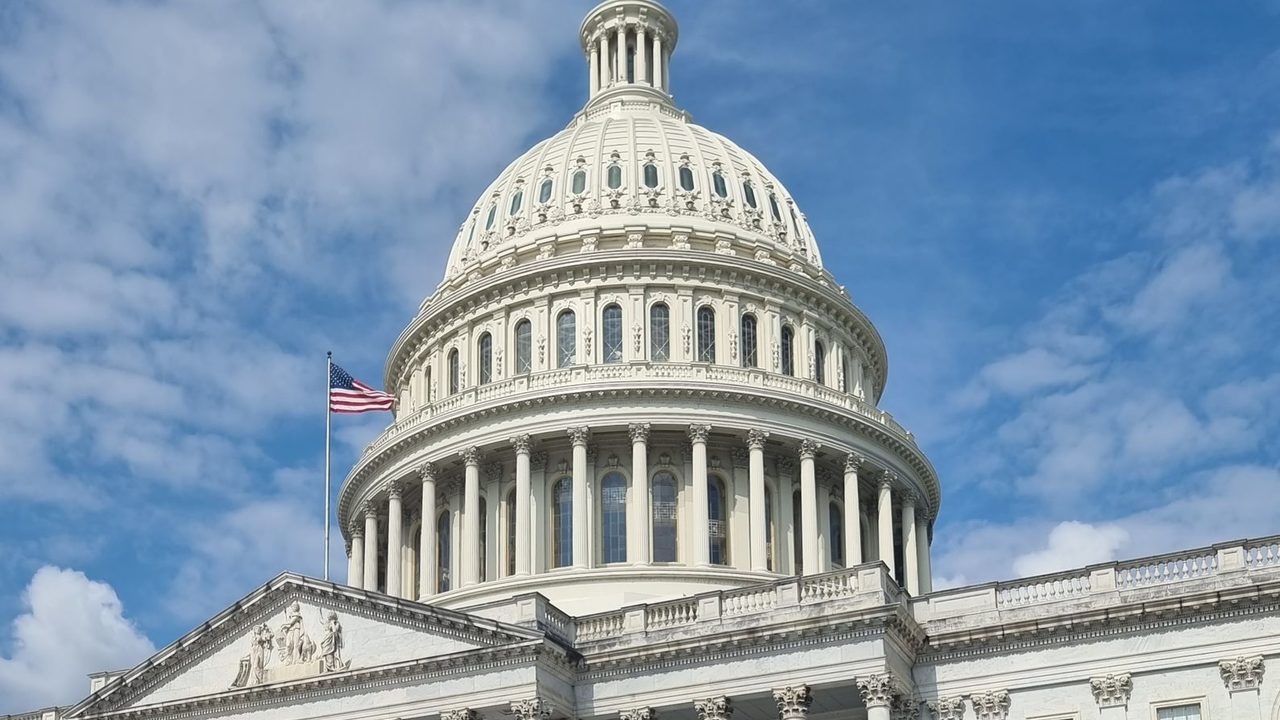
On Friday, Trump waived sanctions on Russia that were part of a bill Congress passed by a wide margin to support Ukraine. The legislation was aimed at the flow of money that fuels Russia's war, ABC reported.
That followed Trump's announcement of a deal to import Russian diesel fuel, which he presented as a long-shot attempt to lower high gas prices. Lawmakers from both parties criticized it, saying it would help Russia without changing global fuel prices.
Separately, Ukraine says its access to Starshield, a military-grade version of SpaceX's Starlink service that underpins its drone operations and communications, has been slowed. President Volodymyr Zelenskyy says the speed limits have left Ukrainian drones unable to intercept Russia's jet-powered drones.
On Monday, after The Wall Street Journal reported that Russian President Vladimir Putin had floated a meeting with Trump and Chinese leader Xi Jinping on ending the war, Trump said he was open to it. Asked whether he would negotiate without Zelenskyy, he said: “I think it’s time for somebody else to negotiate on behalf of Ukraine.”
What the administration says
Trump told reporters Friday that he did not order any Starshield restrictions and doubted that Musk had either. Musk, who is an ally of Trump, has said the U.S. controls Starshield and that the military, and ultimately Trump, decides any limits.
Secretary of State Marco Rubio said Saturday that Ukraine wants access to Starshield but does not have it. On Monday he said the Pentagon controls the service, that Ukraine has benefited from it, and that Kyiv wants to expand its use to carry out attacks beyond its own territory. The U.S. military has not answered questions about its role, ABC reported.
Trump and Rubio both say the U.S. has not stopped giving Kyiv intelligence that helps it counter Russian attacks. Trump said he expects any meeting with Putin and Xi to focus on denuclearization. In a social media post Sunday, he said Russia is doing little to help Iran compared with what it could do, and that he wants to keep it that way.
What Zelenskyy and critics say
Zelenskyy has said he feels betrayed and worries about his country's future. He said Monday that Kyiv again received no early warning from partners such as the U.S. before the latest Russian strikes on its energy infrastructure. He said six people were killed, including a mother and her child, and described the attack as Russia's response to sanctions waivers and reduced pressure.
John Herbst, a former U.S. ambassador to Ukraine now at the Atlantic Council, said the administration's Russia and Ukraine policy looks bleaker than at any earlier point. Dan Fried, a former ambassador to Poland now at the same group, said he first read the diesel deal as a midterm play for lower fuel prices. He now sees the steps as designed to pressure Zelenskyy and win favor with Putin.
Fiona Hill, Trump's Russia adviser in his first term and now at the Brookings Institution, offered another explanation. She suggested Trump may be trying to keep Putin from giving Iran more help. Since the Iran war began in February, ABC reported, Russia has sent Tehran drone technology and information that could help it strike American assets in the region.
Why it matters for the war and for U.S. politics
ABC reports that the strain threatens to shift the war's balance toward Russia and affect U.S. security interests abroad. For American readers, the fuel question is the most direct link: the Russian diesel deal was pitched as relief at the pump, while critics say global prices are elevated mostly because of the war with Iran.
The politics are also live. The sanctions waiver cuts against a bill that passed Congress with broad support, and the criticism crosses party lines.
What could change
Herbst noted that Trump has reversed himself on Zelenskyy before. After an Oval Office confrontation last year, Washington briefly suspended intelligence sharing, yet by July Trump was praising Zelenskyy and saying they had developed a good relationship. Herbst called Trump mercurial and said he could shift again. Whether a Putin-Trump-Xi meeting takes place has not been settled.
Source: ABC News