What a Next-Gen Xbox Priced Up to $1,800 Could Mean for Console Buyers
USD 21,68
Popular
Microsoft's next Xbox console could cost between $1,200 and $1,800 at launch, according to a Fortune report that IGN and Polygon both picked up. If accurate, it would be the most expensive Xbox ever sold, and it would push console pricing into territory usually reserved for gaming PCs.
Fortune also reported that the machine, codenamed Project Helix, is now targeted for release before the 2028 holidays. A new Xbox handheld is planned for the 2027 holiday season. Microsoft has not confirmed the price or the dates in the coverage reviewed here.
What it means for people planning to buy a next Xbox
According to Fortune, the $1,200 to $1,800 range is Microsoft's internal projection of what consumers would pay, unless the company decides to subsidize the cost. Console makers often sell hardware at a loss and earn money back through games and subscriptions. IGN noted that the machine would probably still cost more than $1,000 unless Microsoft accepted unusually large losses.
Polygon pointed out that the top of the range is twice the current price of a PlayStation 5 Pro. It also noted that Microsoft has called Helix a “very premium, very high end” device comparable to a powerful gaming PC. Microsoft has confirmed that the machine will play both Xbox and PC games. Polygon argued that this could make the price look more reasonable next to a high-end gaming PC, even if it is steep for a console.
Nothing is fixed yet. Polygon said component costs keep shifting, and Xbox CEO Asha Sharma has warned about rising costs. Even so, the final price remains uncertain.
The handheld arrives first
Fortune reported that Xbox plans to release a next-generation handheld by holiday 2027, ahead of Helix. IGN said it is unclear how closely the handheld is tied to the console. Sharma has described Helix as a “family” of devices, so the handheld could be the first member.
IGN suggested this may differ from the earlier Xbox Series X and S approach of pairing a stronger console with a weaker one. Instead, Xbox could put less power in a handheld.
For context on current pricing, Polygon noted that Microsoft and Asus released the Xbox Ally handheld in October 2025. It came in two versions: a $600 Xbox Ally and a $1,000 Xbox Ally X. Fortune's sources reportedly describe that device as essentially an early version of what the next Xbox will be.
Internal disagreements and a broader reset
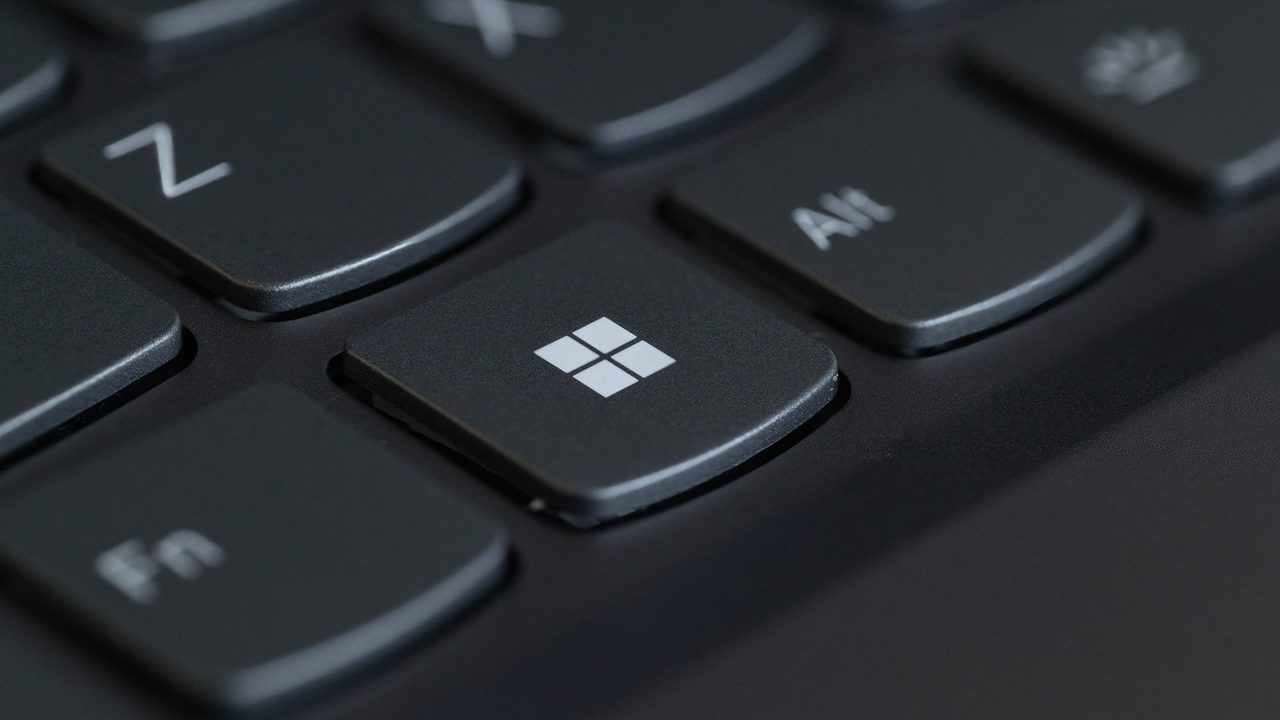
Polygon, citing Fortune, said Microsoft's Xbox and Windows teams are divided over the handheld's software. The Windows side reportedly wants a trimmed-down version of Windows Home. Sharma's team reportedly wants to build and control its own software for the best gaming performance. Xbox leadership reportedly threatened to cancel the handheld over the dispute.
Fortune also reported that Microsoft has moved up engineering deadlines for Helix and is using AI to speed up the work. Sharma told Fortune the company is not using AI for its own sake. She said it is being used to solve engineering and performance problems.
This all comes as Xbox goes through what Polygon called a wider reset. It includes thousands of layoffs in the gaming division and a reworking of Xbox Game Studios and other owned studios. Polygon also listed new initiatives, including Xbox XP and Xbox Labs, a team that appears to focus on generative AI in game development. It said Xbox is reportedly planning a Game Pass overhaul that would move toward a more à la carte subscription, and that further layoffs are expected in the coming months.
Where the rest of the industry stands
IGN said Sony is rumored to be working on its own handheld companion and a costly console. One recent rumor, which IGN presented as unconfirmed, put the memory and storage in the PS6 at $680 alone. IGN said that would exceed the launch price of every PlayStation console except the PS5 Pro. It added that the PS6 could approach or pass $1,000 once other components are included.
What comes next
IGN said Xbox previously promised more information about Project Helix by the end of the year. It speculated that details could come in November, when the Xbox brand marks its 25th anniversary. Until Microsoft announces specifics, the price and release window remain unconfirmed projections from Fortune's reporting.
Sources: IGN, Polygon.com