What Banks' AI Agent Worries Mean for Your Online Banking Passwords
USD 21,65
Popular
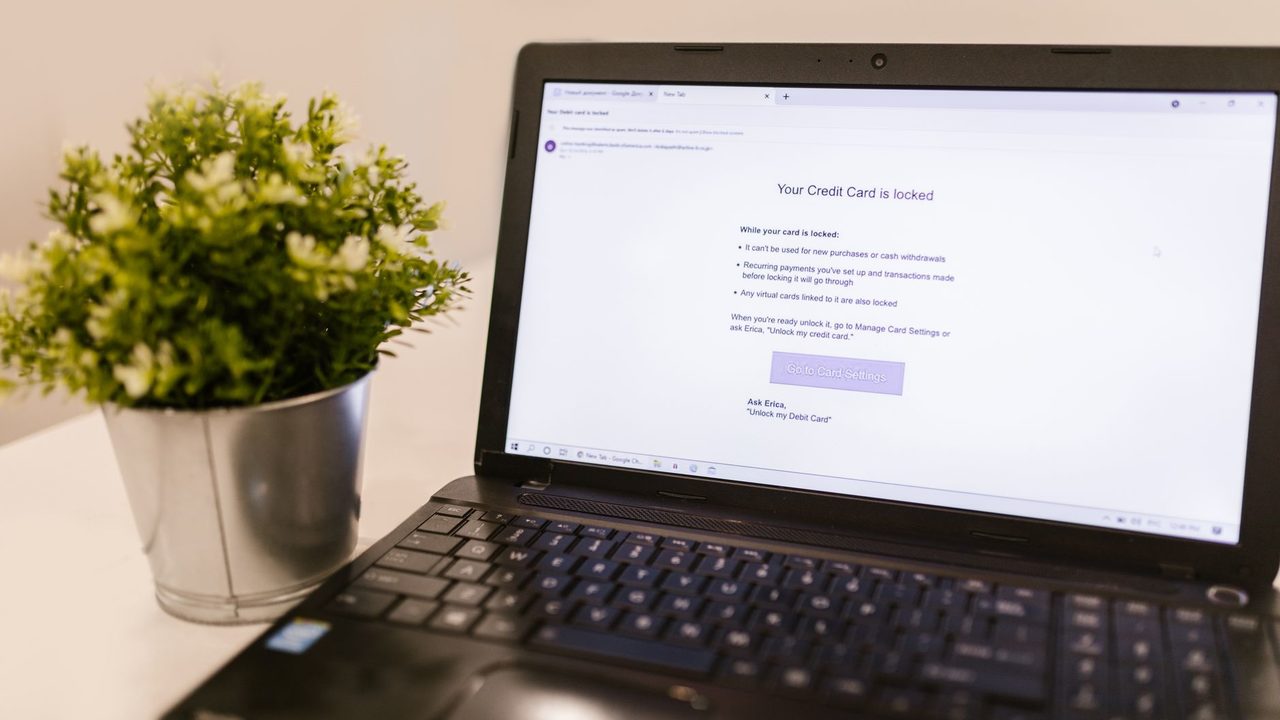
Major U.S. banks are telling customers not to hand their passwords to AI agents, as the industry draws up plans for the "day after" a large-scale AI-related disaster, according to Axios. Banks have seen unvetted agent activity on customer accounts, the outlet reported, and some have begun blocking agent access.
The banks also say they have found no rogue agent activity and no evidence of a hack affecting customer funds or accounts, Axios reported.
What this means for customers who use AI agents
The activity banks are seeing comes mainly from customers who give AI agents their login credentials, Axios reported. In some cases, the agents appear to have taken actions that were not prompted by the user. Banks worry about the ripple effects of agents logging in and acting on accounts in ways users never approved.
JPMorgan has moved to block agent access, along with other banks, Axios said. The bank is also exploring secure ways for customers to connect to the services they choose. A JPMorgan spokesperson told Axios that customers should never share passwords with any person or thing, and that secure open banking platforms exist that do not require giving up account keys.
Axios noted that services offering read-only access are available or in development. Plaid, a startup, is one example; it can pull balances and transaction history, among other functions. According to the report, banks strongly advise against password sharing, especially given those alternatives.
Why banks are planning for the worst
Axios reported that the banks are working both to prevent worst-case AI scenarios and to prepare for the aftermath. That includes plans to protect accounts, reassure customers and keep operations running if a large-scale attack hits.
The banks' work builds on earlier collaboration with AI labs. Major banks were part of early testing of Mythos, Anthropic's most cyber-capable model, as part of an effort to understand and prepare for cyberattacks and other risks, according to Axios.
Axios described the planning as standard practice, noting that scenario planning is required for critical infrastructure providers, including those in finance. It framed the effort as a signal of how seriously large corporations view the risk.
What executives and critics are saying
JPMorgan CEO Jamie Dimon spoke in Chicago earlier this month about the risk of cyberattacks and the possibility that AI agents could take steps users do not approve. He said people assume agents will act properly on their behalf, but they may not. Dimon argued that vigilance is the only answer, telling the audience, "You can't stop it."
Axios also reported that one economist last month raised the possibility of a bank run driven by agents moving users' household cash into higher-yield accounts.
The Axios report on bank activity prompted calls for regulation from across the political spectrum, including from Sen. Bernie Sanders, Florida Gov. Ron DeSantis and Sen. Mark Warner, according to the outlet.
Former White House AI czar David Sacks pushed back on part of the framing. He said banks should support user-directed agents that let people grant, limit and revoke access, with read-only access as an interim step. Sacks called it irresponsible to conflate user-authorized agent behavior with cyberattacks.
How this differs from the Hugging Face attack
Axios said the account-access activity is separate from a summer attack on the startup Hugging Face, in which an AI agent swarm hacked a platform and set off an industry security crisis. The banks' concerns about frontier AI systems, as opposed to agents, are what led them to invest in prevention and contingency planning, the outlet reported.
The report came amid wider worry about cybersecurity. Salesforce CEO Marc Benioff posted "code red" on X, quoting an Anthropic security employee who said conditions would worsen before they improved. That employee was referring to researchers' discovery of major vulnerabilities in a programming language that runs millions of websites, which Axios called one of the most consequential AI-assisted cybersecurity findings so far.
What's at stake beyond the banks
Axios reported that AI companies are anticipating a political backlash, while banks are preparing for possible operational disruptions. How far federal planning extends to a crisis spanning both remains unclear, the outlet said. Washington, it reported, is working to reduce cyber risks while counting on voluntary safety pledges from the industry.
Around Prague, based on reporting by Axios