What Cheaper Oil Means for Drivers as Dow Jumps 1,519 Points
USD 21,57
Popular
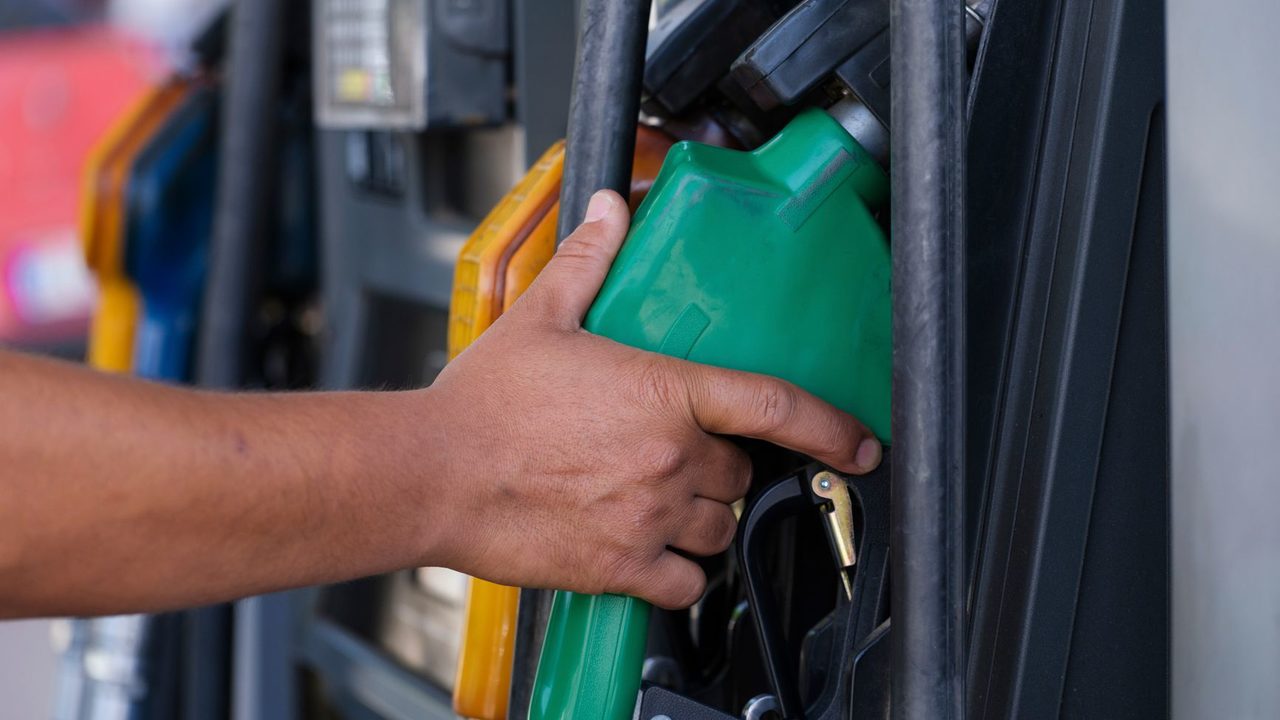
Oil prices fell sharply and U.S. stocks rallied Wednesday, a day after Republicans lost sole control of Washington in the midterm elections. According to NBC News, a GasBuddy analyst said the drop in crude could pull the national average price of gasoline below $4 in the "days ahead."
The Associated Press reported that the Dow Jones Industrial Average was up 1,519 points as of 2:06 p.m. Eastern time. The S&P 500 gained 1.8%, and the Nasdaq composite rose 1.9%.
What it means for gas and diesel prices
NBC News reported that the national average price of gas was $4.12 on Wednesday morning. That is 39% higher than before the Iran war began Feb. 28, when President Donald Trump and Israeli Prime Minister Benjamin Netanyahu launched it, snarling shipping traffic in the Strait of Hormuz.
Patrick De Haan of GasBuddy said the oil decline could bring that average under $4 in the coming days. Tom Kloza, chief energy adviser to Gulf Oil, wrote on social media that the next six weeks typically bring a hostile environment for higher fuel prices. He said considerably lower prices could arrive by the second half of December, provided neither the U.S. nor Iran pursues "scorched earth" policies in the Persian Gulf.
Diesel may matter even more to the broader economy. NBC reported that U.S. diesel futures fell by nearly 7% by midday, to their lowest level since the end of August. Diesel powers the transport of goods such as groceries, so price jumps can quickly reach store shelves. Economists have been more worried about diesel than gasoline, according to NBC.
How far oil fell
Reports differ slightly on the size of the drop. The AP said Brent crude, the international benchmark, plunged 8.6% to $94.70. NBC put the decline at 8.3%, or nearly $8, and said Brent fell below $100 for the first time since Oct. 7. NBC added that West Texas Intermediate, the U.S. benchmark, also slipped 8.3% to close at about $88.12.
NBC called it oil's biggest daily decline since April. Brent traded as high as $118 on Friday, so the fall over three sessions has been steep. Even so, NBC noted that oil remains 60% higher than at the start of the year. The AP said the most actively traded Brent contract has swung between roughly $70 and $120 since just before the war began.
How Wall Street reacted
The AP reported that investors tried to sort winners from losers after widespread Republican losses. Democrats are set to take control of both the Senate and the House of Representatives. Wall Street generally prefers divided government, the AP said, because it reduces the risk of sweeping economic changes.
- Energy: ExxonMobil fell 4.9% and ConocoPhillips dropped 5.6%, after rallying for much of the year as crude climbed.
- Defense: Lockheed Martin fell 7%, Northrop Grumman 4.2% and General Dynamics 2.4%, as investors considered that a Democratic-led Congress could push Trump to pull back from the Iran war.
- Clean energy: First Solar rose 5.8% and Enphase Energy climbed 4.7%.
- Health care and retail: HCA Healthcare gained 9.6% and Dollar Tree rose 8.9%, on hopes Democrats may try to reverse cuts to health and food assistance or ease living costs.
- Trump-linked companies: Trump Media & Technology Group fell 16.6%. Tesla slipped 2.4% and SpaceX sank 4.8%.
Treasury yields also eased, which the AP said could signal that investors see less risk of added federal borrowing now that one-party control is ending.
Why it matters: the politics behind the price swings
Both Vice President JD Vance and Trump linked the election results to fuel costs. Vance said on social media that the Iran war explains the Republican losses and that any honest discussion of the path forward must begin there. Trump told Fox News on Tuesday night that voters agree with his approach on Iran but were probably unwilling to pay more for gasoline, which he said he understands.
NBC reported that 59% of voters in its exit poll said they were "very concerned" about the cost of gas and diesel.
Analysts cautioned that markets may not hold this direction. Brian Jacobsen of Annex Wealth Management said "Earnings trump elections," meaning corporate profits and interest rates matter more to stock prices than who holds power. Carsten Brzeski of ING Bank offered two scenarios. In one, Trump becomes angrier and revives tensions over tariffs and NATO allies' military spending. In the other, he slows disruptive efforts and focuses on ending the wars. The AP noted that Trump keeps executive authority over defense, foreign policy and in some cases trade.
What to watch next
NBC said traders were watching for signs that the election results would push Trump to end the Iran war without a major escalation. Oil's move reflected hopes for such a resolution. Whether pump prices fall below $4 in the coming days, and how far diesel declines, will show how much of Wednesday's drop reaches consumers.