What New York's Planned Horse Carriage Ban Means for Central Park Drivers and Visitors
USD 21,65
Popular
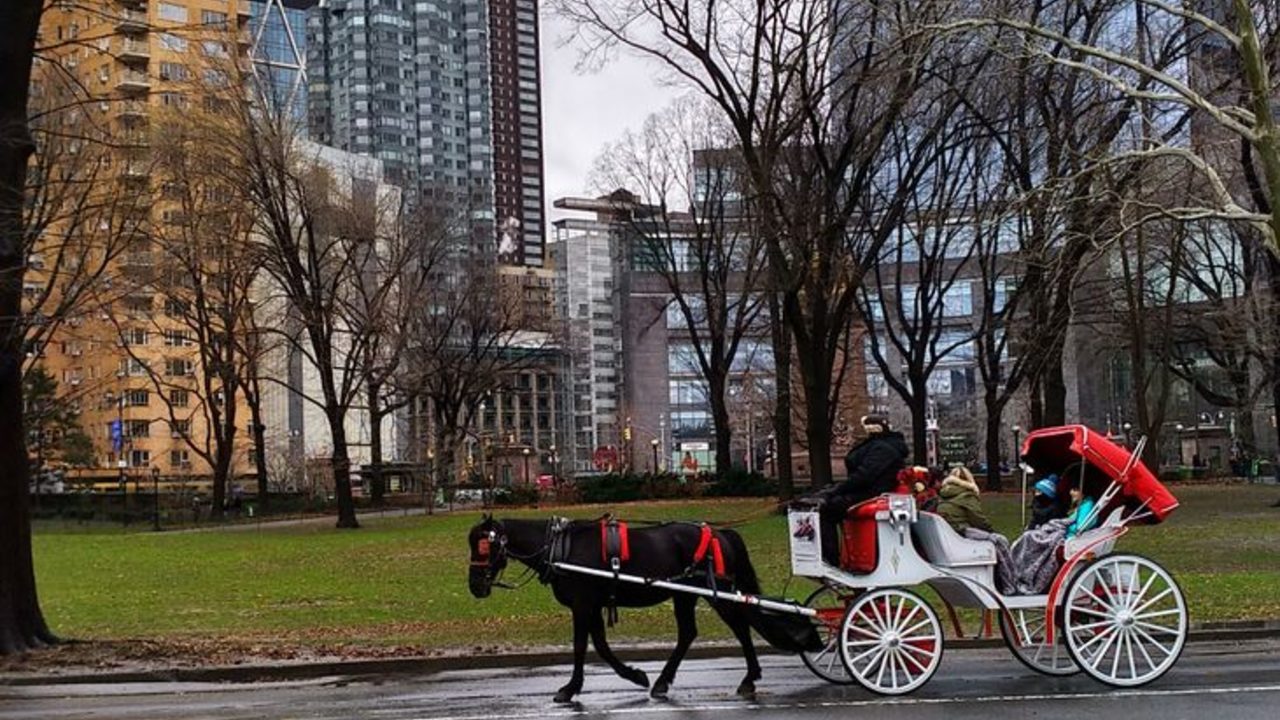
New York City's horse-drawn carriages, a Central Park fixture for well over a century, are set to be phased out. The City Council is expected to vote Thursday on a bill that would ban the rides by June 2028, according to ABC News and the BBC.
For visitors, that means a classic Central Park ride has a limited run left. For the drivers, whose jobs would disappear, the city has promised a transition plan but not yet a firm answer on compensation.
What the bill would change
The legislation would end carriage rides in the city by June 2028. It also forbids selling the horses for slaughter or for similar work, the BBC reported.
The bill has the backing of Mayor Zohran Mamdani. It requires his office to produce a plan by next April to help the remaining drivers find other work, ABC News reported. That plan would include referrals to job openings in the city's transit, hospitality and taxi industries, plus career counseling. The BBC described the bill as proposing an industry transition framework with possible job placement, training, career counseling and financial compensation.
Why it matters for drivers
ABC News counted more than 150 remaining drivers, while the BBC put the number at roughly 200. Drivers who spoke at a City Council hearing said they earn around $60,000 to $70,000 a year, according to the BBC.
A spokesperson for the mayor told ABC News that City Hall is working on a detailed plan for the workforce and has started talks on possible compensation. The bill anticipates the administration considering some form of compensation, ABC News reported. The Transport Workers Union, which represents the drivers, says the plan carries no guarantees, including on compensation, and that workers would be “economically wiped out,” the BBC reported. The union has also vowed to file a legal challenge as soon as the legislation is signed, according to ABC News.
Driver Alexus Lawson, 28, told both outlets she worries about her horses. She told ABC News she does not know what she will do without a job to pay for their care. Medet Fidan, a former cab driver who has driven a carriage for years, said he feels targeted and expects to lose his business. Christina Hansen, a longtime driver and industry spokesperson, told ABC News the bill does nothing to keep drivers' businesses going and asked who will cover her rent while she looks for work.
Several drivers told the BBC they do not want new jobs. They also reject claims that the horses are mistreated and say the rides pose no safety risk.
What it means for the horses
The union raised concerns about a lack of funding for individuals and groups that would take in the horses, the BBC reported. It argued that thousands of horses end up at slaughter auctions each year. The bill bans selling the carriage horses for slaughter.
What it means for visitors
Until the ban takes effect, the rides continue. According to the BBC, a 20-minute ride costs $72.22, with $28.89 for every extra ten minutes. Horses can work up to nine hours a day and wait for customers at certain park entrances.
Why the push succeeded now
Mamdani's two immediate predecessors both called for ending the industry without success, ABC News reported. Bill de Blasio campaigned on it, but the effort faded amid backlash from unions and a media campaign. Eric Adams floated a ban late in his term, but nothing came of it.
The latest push began in June, when 18-year-old tourist Romanch Mahajan, visiting from India, died after falling or jumping from a runaway carriage. ABC News said it appeared to be the first fatality involving a horse carriage in Central Park. His father, Deepak Mahajan, told lawmakers his son jumped to help his mother after she was thrown from her seat when the horse bolted, according to ABC News. The bill is called Romanch's Law. The BBC also noted the death this year of a carriage horse, Deniz, who ate a toxic plant in the park.
The Manhattan Borough President's office says 40 horses working in Central Park have died since 1982, blaming causes such as overheating and collisions, the BBC reported. The Central Park Conservancy, which manages the park and supports the ban, cited seven horse-related incidents in the past 13 months. Drivers argue they are being unfairly targeted over a single accident.
What happens next
The Council is expected to vote Thursday. If the bill passes, the mayor's office must present its transition plan by next April, and the rides would end by June 2028. A Council spokesperson said Speaker Julie Menin will stay engaged in the transition, and the union's legal challenge could follow.
Around Prague, based on reporting by BBC News, ABC News, Fox News