What the Supreme Court's Home Distilling Case Means for Hobbyists
USD 21,69
Popular
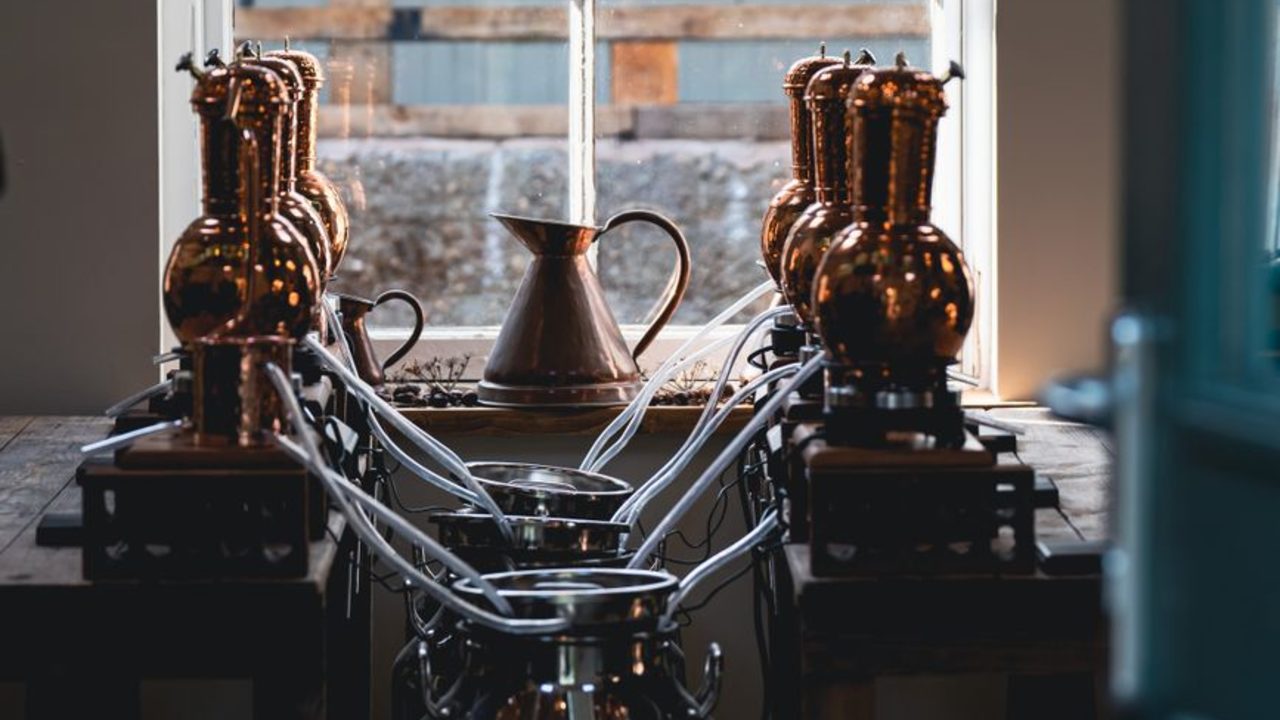
The Supreme Court said Monday it will decide whether the federal ban on distilling spirits at home is constitutional. A ruling for the challengers could remove the threat of criminal penalties for hobbyists who make whiskey, gin or other liquor for personal use, though they would still face federal tax rules.
CBS News reported that the case is known as Department of Justice v. McNutt. Arguments will likely take place next year, with a decision expected by late June or early July.
What it means for people who want to distill at home
Under the current law, enacted in 1868, producing distilled spirits at home for personal use is prohibited. According to CBS News, anyone who uses or possesses a still or similar equipment in a dwelling house, shed, yard or enclosure faces criminal penalties. NBC News reported that these can include a fine of up to $10,000 and a maximum sentence of five years in prison. CBS News added that a violator's home and the property inside it can also be forfeited.
Home brewing of beer and winemaking for personal use, by contrast, have long been allowed without penalties, NBC reported.
A win for the challengers would not make home distilling tax-free. NBC News reported that they would still have to register their stills and pay excise tax on the spirits they produce, even for their own consumption.
Some states already allow home distilling, including West Virginia, which legalized it in 2024, according to NBC. Those state laws do not override the federal ban. Legislation to repeal the federal restrictions has also been introduced in Congress, NBC reported.
How the legal fight reached the justices
The challengers include the Hobby Distillers Association and several of its members, NBC News reported. One member, Scott McNutt, has a home still he has used to make fuel alcohol. Another, Rick Morris, owns a company that makes stills for home use. They sued in Texas after the federal Alcohol and Tobacco Tax and Trade Bureau told them they could not get a license to distill at home because of the ban.
A separate challenge in Ohio, brought by John Ream, raised similar claims. The two cases produced conflicting results. The 5th U.S. Circuit Court of Appeals sided with the challengers, while the 6th U.S. Circuit Court of Appeals reached the opposite conclusion, according to NBC. All parties agreed the Supreme Court should issue a ruling that applies nationwide.
What each side argues
The challengers say Congress exceeded its powers, including its taxing power, because a ban on home distilling does not raise revenue. CBS News reported that a federal district court agreed and found the ban unconstitutional, saying it criminalizes conduct by people who are not subject to the tax. The 5th Circuit upheld most of that decision. It said the restrictions are not plainly adapted to supporting the government's taxing power because they reduce revenue by barring people from making spirits that could be taxed. The appeals court also warned that upholding the ban would let Congress criminalize nearly any at-home conduct that might conceal taxable activity.
Solicitor General D. John Sauer, representing the federal government, defended the law. According to NBC, he argued that Congress may restrict taxable activities by location when there is a strong chance the taxes will go unpaid. CBS News reported that his appeal called the lower court ruling erroneous and said Congress targeted home distilling because a distiller can more easily hide an operation or block inspections inside a dwelling or connected structure.
Why Congress passed the ban
CBS News reported that lawmakers acted after finding rampant tax evasion by commercial distillers. A House report from 1867 said the tax rate on spirits was $2 per gallon, more than their market price, and that distillers found it cheaper to bribe revenue officers than to pay. The report concluded that at least seven-eighths of spirits went untaxed. The legislation that ultimately banned home distilling also cut the tax rate and required duties to be paid before spirits left warehouses. It made no exceptions for spirits made for personal or family use.
What happens next
The justices will hear arguments in the case, likely next year, and a decision is expected by late June or early July. Until then, the federal ban remains in force.