Volunteers in Czechia Rescued Over 36,000 Amphibians from Roads This Spring
USD 21,04
Popular
The Czech Union for Nature Conservation (ČSOP) has released the results of this year's spring amphibian migration: volunteers saved 36,226 toads, frogs and newts that would otherwise have perished under car wheels on their way to breeding grounds. As part of the national "Biodiversity Protection" programme, help was provided at 27 hazardous road sections across the country.
Every spring, as soon as the snow melts, amphibians set off from their wintering sites toward the ponds where they breed, later making the same perilous journey back across busy roads. According to programme coordinator Eliška Prouzová, there are more than 670 such high-risk sections known nationwide, but only a small fraction can be protected — the rest are handled by municipalities, regional authorities and the Nature and Landscape Protection Agency of the Czech Republic.
Toads Suffer the Most
"The common toad is by far the most frequent casualty on the roads — crossing the carriageway can take it up to 30 minutes. On busy sections with large populations, drivers can crush hundreds of individuals in a single day, and at that rate local populations can disappear entirely," Prouzová warns.
To save the animals, hundreds and thousands of volunteers across the country set up temporary barriers stretching for kilometres, then carry the amphibians across to the safe side of the road by hand. This year conservationists built a combined 8,375 metres of barriers, while at seven further sites amphibians were collected without any barriers being installed at all.
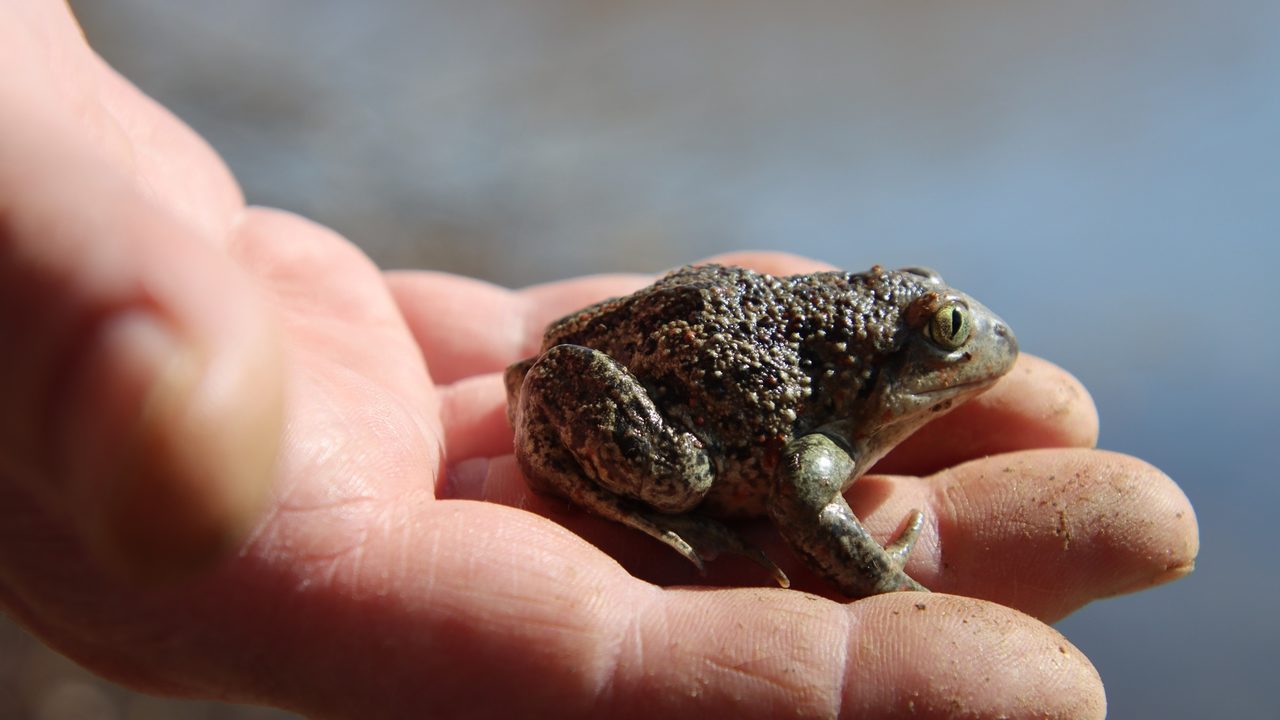
Among the rescued animals, common toads were once again the most numerous, with 32,110 counted. They were followed by frogs (2,718 individuals) and newts (1,237). Volunteers also saved 153 common spadefoot toads, 6 tree frogs and 2 yellow-bellied toads.
This Year's Total Falls Short of Last Year's Record
Although the number of protected sections increased this year, the total number of animals rescued was lower than the previous year, when 39,898 individuals were saved across 20 sections. Organisers say such fluctuations in population size and migration patterns are perfectly normal — and last year happened to be a record one.
Funding for the programme remains a challenge: despite long-standing support from the Veolia Charitable Foundation and the Ivan Dejmal Nature Conservation Fund, demand from organisations wanting to carry out transfers this year exceeded the available budget. Conservationists therefore turned to the public with a campaign called "Careful, Toads: Give Them a Safe Path to Water." Thanks to donations from more than two hundred people, all planned activities were funded, involving around 250 volunteers on the ground.
Success Stories in Blatná and Červený Hrádek
A telling example comes from the village of Blatná, where since 2021 a 583-metre stretch has been protected by the ČSOP Equilibrium group. Before volunteers began their work, locals used to witness hundreds of toads dying on the road every year. In the first year, 200 individuals were saved; in subsequent years the number ranged from 200 to 400, and in the record-breaking year of 2025 more than 700 animals were carried across. This season in Blatná, 363 individuals were rescued.
Last year the same group identified another dangerous spot near Červený Hrádek, where 53 amphibians were killed by cars in a single day. This year around 400 metres of barriers were installed there, and as part of a pilot project, volunteers not only gathered valuable data on the local toad migration but also saved 1,234 toads and one frog.
Read also: Prague Metro: Map and Tickets
Source: ekolist.cz