Vysočina's Forests After the Bark Beetle Invasion: More Diverse, But Harder to Manage
USD 21,04
Popular
In the Czech region of Vysočina, foresters are restoring woodlands devastated by bark beetles between 2015 and 2020 — planting a more diverse and resilient mix of tree species instead of the traditional spruce monocultures. Yet experts still disagree on the best way forward.
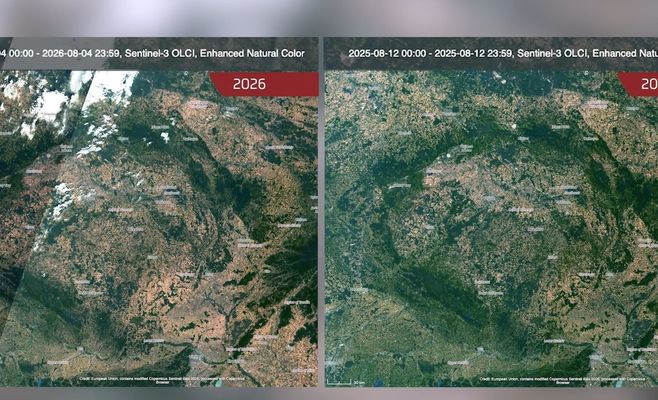
The bark beetle catastrophe resulted from a combination of factors: prolonged drought and rising temperatures weakened spruce stands in particular, reducing their ability to withstand pests. Vysočina was hit especially hard, as forests cover more than a quarter of the region's territory.
Why Spruce Proved So Vulnerable
According to 2018 data from the Forest Management Institute, Vysočina had the highest share of spruce among all Czech regions — around 65.8% of its forest stock. Experts had long warned about the risks of such monocultures, but the economic appeal of fast-growing spruce outweighed those concerns for years.
The crisis peaked between 2018 and 2020, when timber harvesting reached record levels — in 2020 alone, nearly 36 million cubic meters of wood were felled across Czechia, largely due to bark beetle damage. Between 2016 and 2020, Vysočina lost roughly a fifth of its coniferous forests.
According to the Czech Statistical Office, the situation had stabilized by 2025: both logging and planting volumes are now declining, largely thanks to fewer forced cuts and the depletion of the stands most vulnerable to the beetle.
Mixed Forests Instead of Spruce
In the aftermath of the disaster, a broader debate emerged in Czechia over how best to restore the country's forests. A frequently cited example is the "New Forest, a Different Way" project, carried out on forest plots in Nové Veselí and Račín in the Žďár nad Sázavou area — a joint initiative of the Přibyslav Municipal Forest Cooperative and the Forestry and Game Management Research Institute.
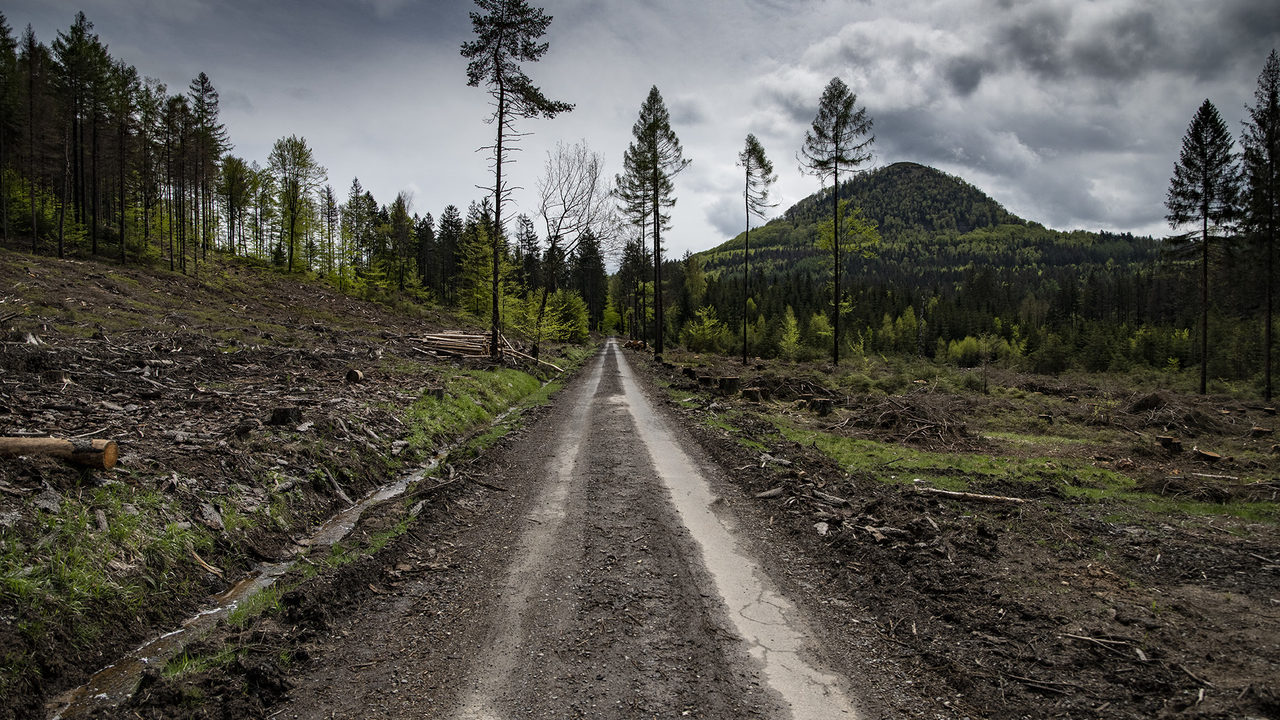
The project combines natural forest regeneration with targeted planting of new trees. Spruce, the species hit hardest by the bark beetle, now accounts for only about seven percent of the saplings planted. Foresters are planting fewer trees overall, leaving parts of the land to regenerate on their own while supplementing the rest with alternative species.
Observations show that right after clear-cutting, open areas flooded with sunlight quickly develop diverse vegetation — but within a few years, fast-growing raspberry and blackberry bushes tend to crowd it out, reducing biodiversity. Even so, results are already visible: clearings from previous years are successfully regrowing into forest, and young stands are gradually overcoming weed pressure and damage from wild animals, aided by natural regeneration — especially birch — according to Zdeněk Valka, head of forestry at Nové Veselí.
Money and Tradition Versus Change
Despite the clear advantages of the new approach, systemic change in forestry is proving difficult. As Valka points out, the hardest part is coordinating every stage of the process: finding reliable contractors, securing planting material, and ensuring the long-term growth of new stands.
The willingness of the forestry community to embrace a more diverse mix of species also plays a key role. The main obstacle to reform, however, is money: planting spruce remains the cheapest option, which makes it more economically attractive for many forest owners — even though it slows the shift toward more resilient forests.
Monika Vejpustová, a representative of the "New Forest" project, notes that some foresters favor a more natural and diverse approach to forest management, while others stick to traditional methods, viewing monocultures as a proven model even after the bark beetle crisis — treating the catastrophe as just another recurring episode in forestry.
Another challenge is the conservative nature of the industry itself. "From such an entrenched way of doing things, there's only a very narrow path toward change — and it's often met with misunderstanding," says Jiří Nohel, a forester from the Žďár nad Sázavou area. The recovery process is further complicated by an overpopulation of wild animals damaging young trees, meaning that protecting deciduous species requires fencing or plastic guards, which drives up costs.
Foresters say the changes are happening gradually, and not everywhere. "At the very least, there's progress in the fact that more tree species are being used in restoration," says Zdeněk Valka. Experts believe this kind of responsible approach could be applied in other regions too, with species selection adapted to local conditions. "What threatens the future of our forests isn't the natural shift in species — it's the way people manage them," Nohel concludes.
Source: seznamzpravy.cz