Women's Tour de France riders suspected of using breast padding for aerodynamic advantage
USD 20,94
Popular
A scandal has erupted at the women's Tour de France after organizers grew suspicious that several riders were using special breast padding to reduce aerodynamic drag during the individual time trial. Suspicions first surfaced at the Paris Olympics and have since intensified over the course of this year's race.
"At the Paris Olympics, there was a rider whose chest suddenly appeared much larger," said Steven Steels, sports director of the AG Insurance-Soudal team. According to him, the practice has become more widespread: "Many riders have been stuffing the chest area with ice or other objects to increase volume. In a time trial, that can make a real difference."
Scrutiny focused on the chest
The suspicious cases were first flagged by the Dutch cycling website WielerFlits. According to its report, several teams noticed that some riders looked noticeably different in the chest area on time-trial days compared to regular stages.
In response, the International Cycling Union (UCI) tightened checks ahead of the individual time trial from Gevrey-Chambertin to Dijon. Certain athletes were required to undergo a more thorough clothing inspection before the start. Commissaires checked whether anything was hidden under the jersey or in the bra that could artificially alter body shape and affect aerodynamics.
Per UCI guidelines, officials were instructed to pay "special attention" to clothing and accessories that could artificially change body proportions. So far, no specific rider has been publicly named.
Seconds could decide the outcome
Why would such padding help on the road? An object placed between the chest and the jersey can act like a fairing, redirecting airflow around the body. According to a scientific study, this diverts airflow away from the stomach, hips and upper legs, reducing drag.
"Over a 20-30 kilometer time trial, this could make a decisive difference," said aerodynamics professor Bert Blocken of Heriot-Watt University. He estimates the potential gain could reach 0.78 seconds per kilometer.
Blocken has also studied similar padding in a separate research project: together with colleagues, he tested seven different shapes using computer simulations validated in a wind tunnel. For the most effective design, drag was reduced by 3.6%. However, not every type of padding automatically helps — some shapes actually increased drag, meaning that without proper individual fitting, the trick can backfire.
Over the 21-kilometer distance of this year's time trial, the theoretical maximum gain would exceed 16 seconds — a difference significant enough to affect the overall standings.
Vos backs stricter checks
Former world champion Marianne Vos has supported the tighter inspections. "It's good that they're trying to enforce the rules. Everyone is looking for the best solution, but there are regulations that need to be followed," said the Dutch cycling star, adding that the checks should respect athletes' privacy and not be overly intrusive.
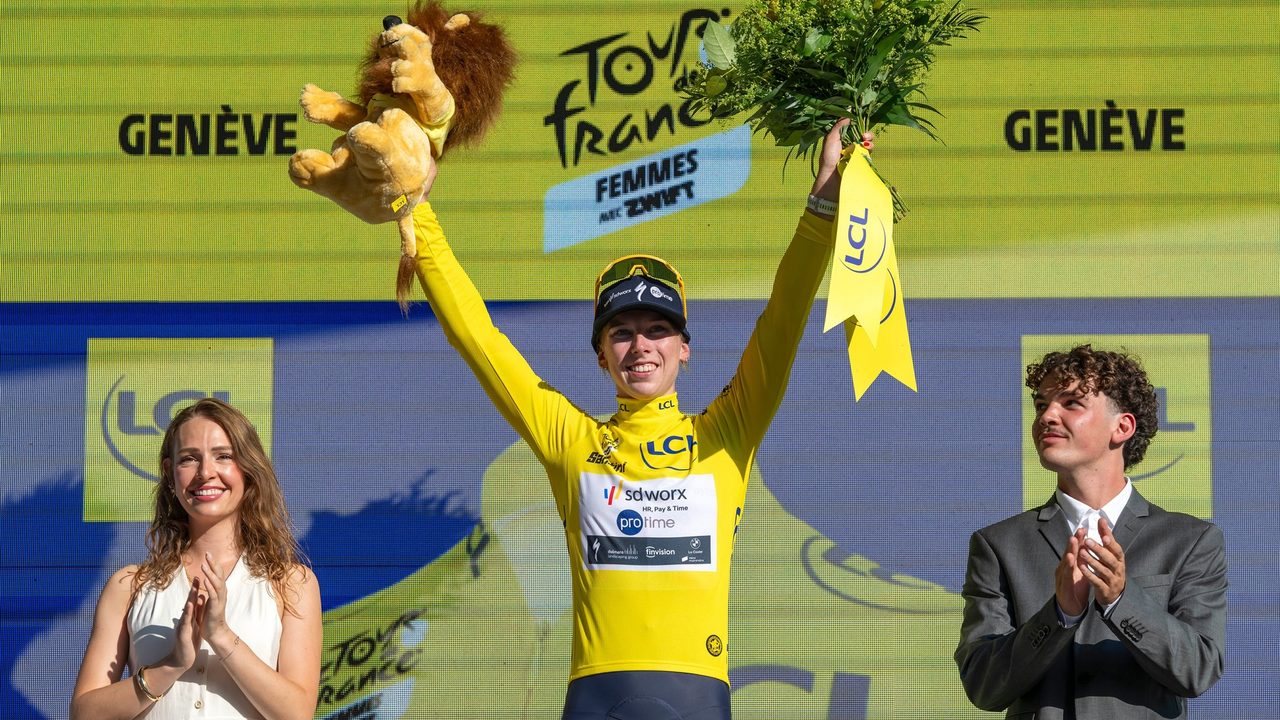
As for the race itself, Tuesday's time trial was won by Swiss world champion Marlen Reusser, who took over the leader's yellow jersey afterward. She covered the 21-kilometer course in 27 minutes and 30 seconds.
Read also: 9 best cycling routes around Prague: from the Vltava embankments to Karlštejn Castle
Source: sport.cz