Albanian Lawmakers Scuffle in Parliament as Student Protests Enter a Tenth Day
USD 21,65
Popular
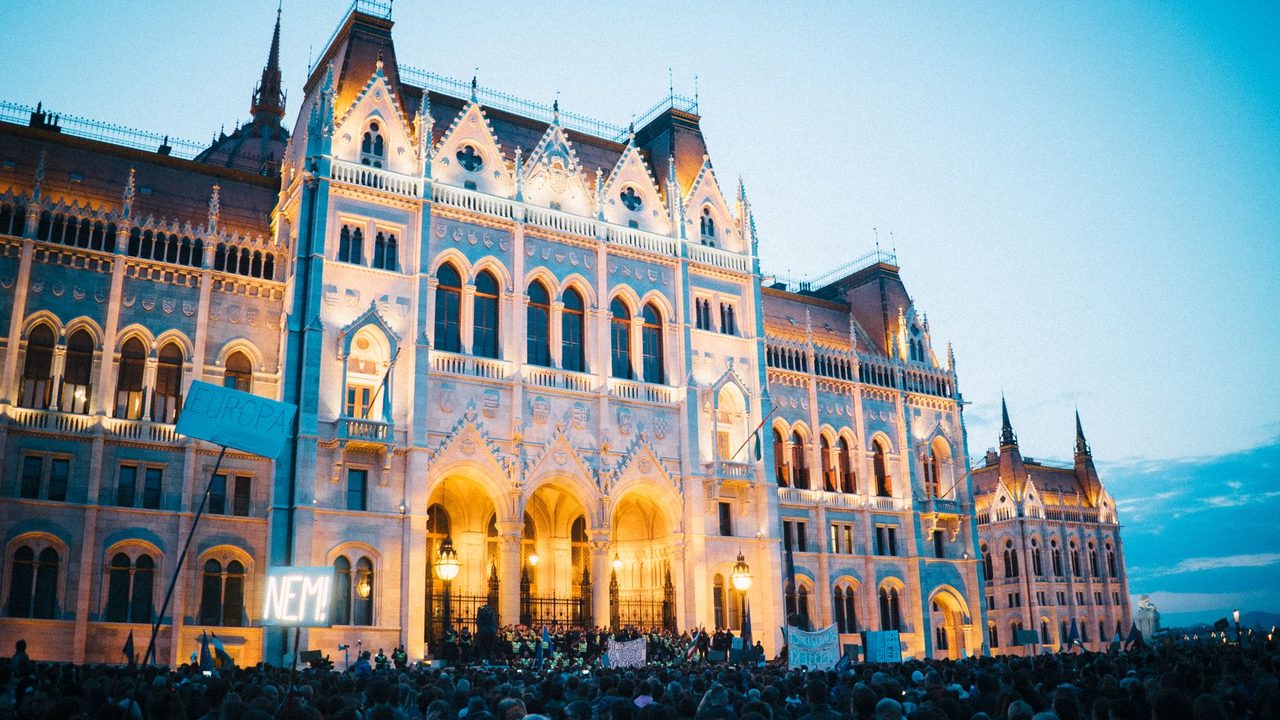
Opposition and ruling-party lawmakers clashed in Albania's parliament on Thursday after the leadership refused to hold a debate on the student demonstrations that have gripped the capital, Tirana, for ten days, Euronews reported. The session went on and votes on legislation continued despite the disruption.
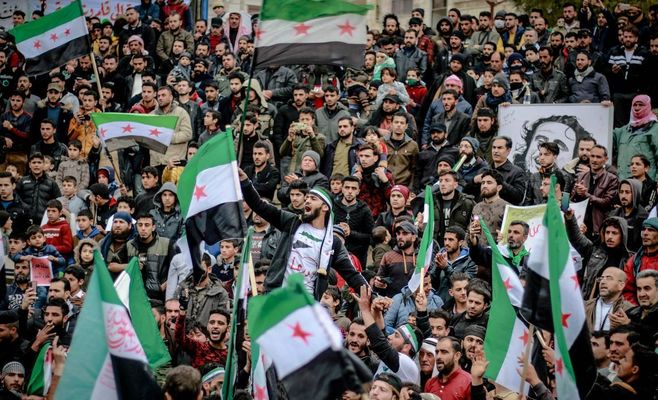
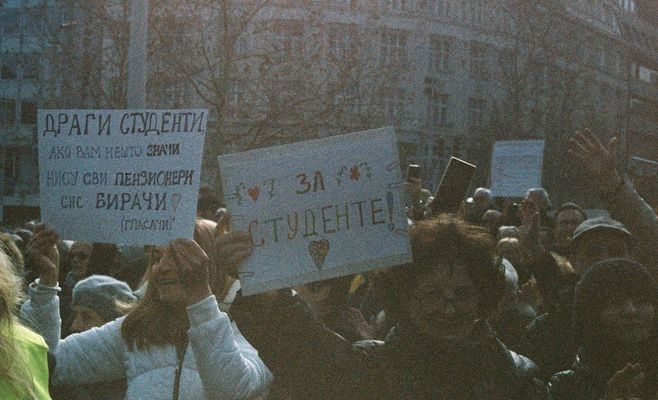
Outside the building, large crowds of students gathered at the entrances as the protests reached a tenth consecutive day. The unrest has become one of the main political challenges facing Prime Minister Edi Rama's government.
What happened inside parliament
According to Euronews, opposition members tried to disrupt the session. They held up photographs of students who were injured by police during earlier protests and blocked the speaker's podium. The assembly pressed ahead with voting on legislation while the chaos unfolded, and the report says lawmakers from the opposition and the governing party scuffled.
The trigger was the parliamentary leadership's decision to reject the opposition's demand for a debate on the protests.
What the students and opposition say
High school and university students are calling for lower tuition fees, more state investment in education and an end to corruption in the education system. Euronews said the students have since joined a wider anti-government movement that wants Rama, a Socialist, to resign.
The opposition lawmakers' protest in the chamber, with photographs of injured students, was aimed at forcing the issue onto the parliamentary agenda. The demonstrators' own actions have also drawn attention: for nearly two weeks they have repeatedly clashed with police in the city center, throwing rocks, flares, firebombs and fireworks, according to the report. Officers have responded with batons, water cannons and tear gas.
What Rama and the government say
Rama has vowed to resist the calls to step down. Speaking after a meeting with teachers and school representatives on Tuesday, he described the unrest as an attempt to overthrow the government through violence and said that would never be allowed to happen. He argued that legitimate grievances were being exploited by people who deliberately incite violence.
In other words, the government separates the students' stated concerns from the street violence and says the latter is being driven by instigators. The students and the opposition, for their part, point to injuries caused by police and want the protests discussed in parliament. Euronews did not report any government response to the injury claims.
Where the protests come from
The student demonstrations follow months of protests organized by the Flamingo movement. That movement emerged in opposition to a large luxury tourism development on Albania's southern Adriatic coast, which Euronews linked to an investment firm founded by Jared Kushner, the son-in-law of U.S. President Donald Trump.
What's at stake
For people in Tirana, the most immediate effect is disruption in the city center, where the nightly clashes have involved firebombs, tear gas and water cannons. Students say their futures are at stake in the fight over tuition and school funding, while the government says the rule of law and the stability of the elected administration are on the line.
The parliamentary scuffle also shows how far apart the two camps remain. The leadership has declined to open a debate, the opposition has shown it is willing to obstruct proceedings, and the prime minister has said he will not yield. Euronews did not report any planned talks between the government and the protesters, or a date for further parliamentary action.
Around Prague, based on reporting by Euronews