Delhi tops the world’s most polluted cities ranking with an AQI of 334
USD 22,10
Popular
The air quality index (AQI) in Delhi at 7:30 a.m. on Friday, Nov. 13, stood at 334, which falls in the “hazardous” category. According to Reuters, the Indian capital ranked first in the latest list of the world’s most polluted megacities. The ranking is compiled by the Swiss company IQAir, which tracks air quality by the concentration of pollutants.
India’s Central Pollution Control Board recorded an even higher reading of 403, which it classifies as “severe.” The difference stems from different calculation methods and rating scales. For comparison, an AQI of up to 50 means good air quality with little or no risk to health.
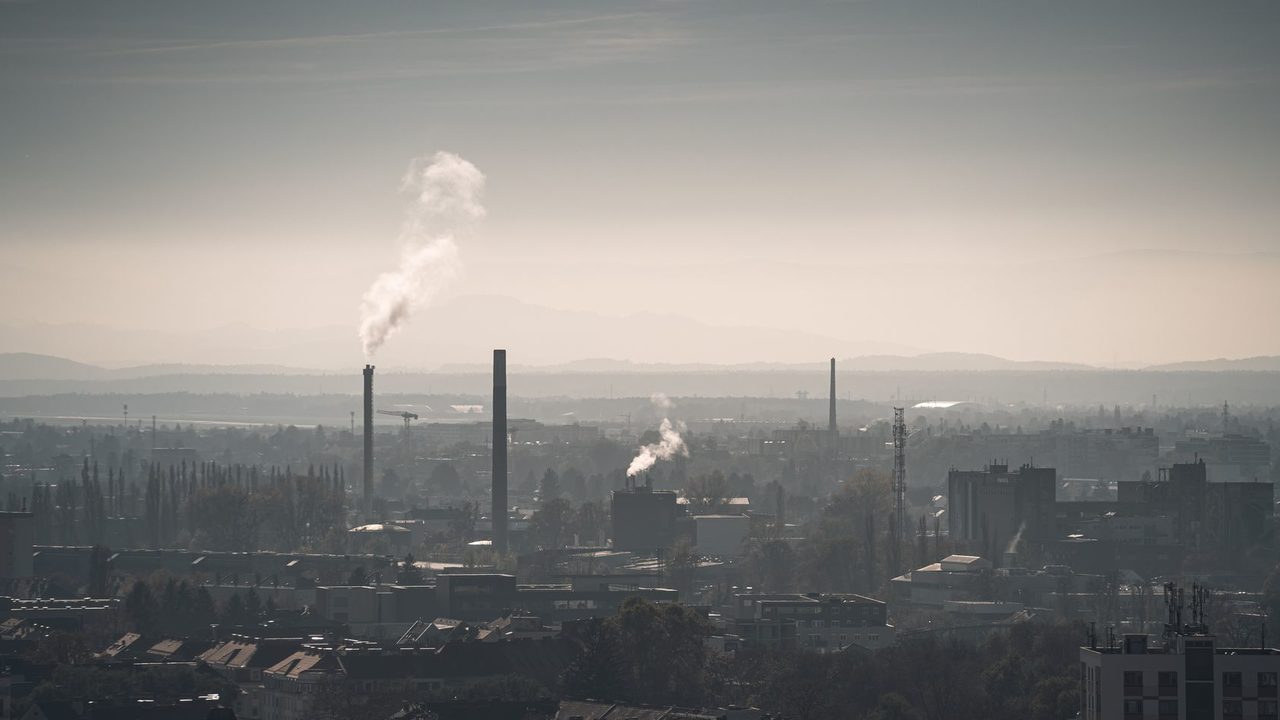
Heavy air pollution in northern India and neighboring Pakistan is an annual problem, especially in the colder months. It is driven by emissions from traffic and industry, construction dust and smoke from the burning of crop residue. Cool weather, weak winds and frequent temperature inversions keep harmful substances from dispersing, and they build up near the ground.
That is why major cities in India and Pakistan land near the top of the IQAir ranking every year. This autumn, cities in Indonesia and Malaysia, as well as Singapore, also made the most polluted list: smoke from large-scale forest fires in Indonesia sharply worsened the air across the region.
Around Prague, based on reporting by novinky.cz