Drone Strike on Abyei Market Kills at Least 153, Local Official Says
USD 21,68
Popular
A drone strike on Amiet Market in the disputed Abyei region has killed at least 153 people, a local official told The Associated Press and Reuters on Tuesday. The strike hit a fuel depot, and the fire it started was still burning that day, according to ABC News, which carried the AP report, and DW.
Yohanna Akol Ngor, the caretaker information minister of the Abyei administration, blamed Sudan's military for Monday's attack. He offered no evidence, DW reported, and the AP said it could not independently verify who carried out the strike. Sudan's military did not respond to a request for comment.
What is known about the attack
Akol said the strike hit around 11 a.m. Monday at the market, which lies north of Abyei town. DW, citing local authorities, put the time at around midday. The official said the fuel depot supplied local businesses and that the death toll was still rising while the fire burned.
The toll has climbed sharply. According to DW, citing Reuters, Akol Ngor said the figure had more than doubled from 73 stated the previous day. He also said around 8,000 people had been displaced by the bombing, DW reported. The motive for the attack was not immediately clear, according to the AP.
South Sudan's Foreign Ministry also blamed Sudan's army and said the strike hit multiple locations within the market, causing civilian casualties and extensive property damage. DW reported that, judging by witness accounts, one of those locations was the fuel depot, and the resulting fire was hard to control overnight.
The ministry said it had summoned Sudan's ambassador to protest. It urged Sudan to "refrain from any actions that endanger civilian lives and property" and called for Abyei issues to be handled through diplomatic channels.
The medical response
Doctors Without Borders, known as MSF, said more than 20 wounded people had been brought to Ameth Bek Hospital, where its teams were working with South Sudan's Health Ministry staff. Dr. Christian Lindauer, MSF's medical activities manager at the hospital, said several patients were in critical condition and some had burns. MSF called on all parties to stop attacks on civilians and civilian infrastructure. It said it was concerned about people's ability to reach health care and other essential services safely.
Akol described the situation as "horrible and shocking."
Why Abyei is contested
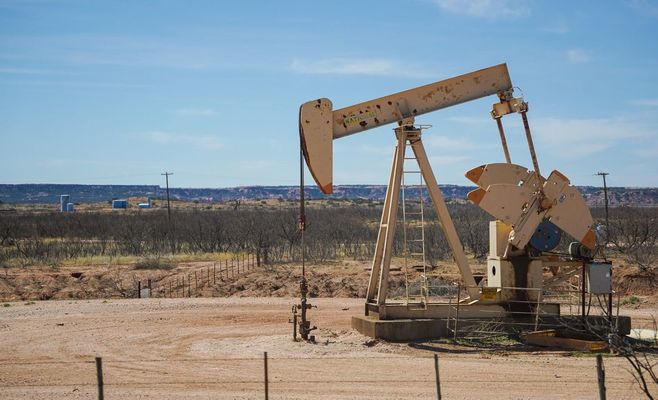
Abyei is an oil-rich border region claimed by both Sudan and South Sudan. A 2005 peace agreement that ended decades of civil war in Sudan left its status unresolved, and the question remained open when South Sudan became independent in 2011. A planned referendum stalled over who should be allowed to vote. DW reported that the region has been jointly administered, with an interim UN security force on site for 15 years.
The majority Ngok Dinka population favors joining South Sudan. Misseriya nomads who use its pastures favor Sudan. Amiet Market is a trading hub for both communities. Abyei has also seen deadly communal violence, including fighting over land between Ngok Dinka and neighboring Twic Dinka communities.
How the strike connects to Sudan's war
Sudan's army and the paramilitary Rapid Support Forces (RSF) have been fighting since April 2023. DW described the conflict as having fairly entrenched battle lines and leaving Sudan in a de facto state of partition. Abyei borders South Kordofan state in Sudan, which has become a major center of fighting.
Sudan's military alleges the RSF also operates out of Abyei. DW reported that the UN Interim Security Force for Abyei made a similar statement in May, warning that the RSF's presence put residents at added risk and could worsen the older territorial dispute. Officials in Abyei and South Sudan dispute that the RSF is operating there.
Why it matters: civilians, health care and a fragile border
For people in Abyei, the strike means a large loss of life at a market that serves two communities, along with thousands reported displaced and a hospital treating critical burn cases. MSF's warning about access to health care points to the strain on people who rely on the area's few medical facilities.
The attack also adds pressure to a border region whose status has never been settled. South Sudan has taken its protest to Sudan's ambassador, while Sudan's military has not publicly responded. UN spokesperson Stephane Dujarric told reporters in New York on Tuesday that the UN remains alarmed by the relentless drone attacks across Sudan. He said they are taking a devastating toll on communities already struggling after more than three years of conflict.