Hoax Bomb Emails Hit 1,800 More Italian Schools a Day After 6,300
USD 22,01
Popular
More than 1,800 schools across Italy received emailed bomb threats on Thursday, a day after about 6,300 schools got similar messages, the Italian government said, according to Al Jazeera. No devices have been found anywhere, BBC News reported, and Rome police said there was nothing to substantiate the threats.
Many schools closed immediately and parents rushed to collect their children, causing widespread disruption. The government has now told schools not to evacuate buildings on the strength of a mass email alone.
What happened over two days
On Wednesday, a threatening email went to 6,300 of Italy's 7,476 state schools, BBC News reported. It was signed by a person calling himself “Mikhail Andropov,” who described himself as the leader of a group named “Vilayat of Misoginistan,” according to Italy's Ansa news agency, cited by Al Jazeera.
A similar message, signed with the same name, reached about 1,800 schools from Milan in the north to Sicily in the south on Thursday. Al Jazeera said the same purported author had claimed responsibility for emailed bomb threats sent last week to newsrooms in Ireland and Bulgaria.
The origin of the emails is unclear. BBC News said some officials believe Wednesday's message came from Taiwan, while the Thursday message is said to have been sent from the hacked account of a teacher in the Philippines.
What the government is telling schools
Prime Minister Giorgia Meloni's office said buildings should not be evacuated when the only sign of danger is the receipt of a mass email, and that it would instruct schools accordingly. Meloni described the incidents as a strategy meant to cause alarm and concern. She also summoned opposition leaders for talks on how to respond.
Authorities in Scotland, Northern Ireland and the Republic of Ireland said many schools there received similar emails from abroad on Wednesday. They classified them as hoaxes and let classes continue. BBC News said it is unclear whether those incidents are connected to the Italian ones.
Why it matters for parents and schools
The threats have disrupted school days for families in many parts of Italy. Parents have been demanding clarity and action, BBC News reported.
La Repubblica reported protests over the decision of a secondary school headmaster in Rome who took no action after noticing typos in the message and judging it fake. According to the newspaper, protesters want new national guidelines on how schools should respond. The government's instruction not to evacuate on the basis of a mass email alone is its first public guidance on the issue in the reports.
Political reaction
Opposition parties have accused Meloni of favoring spending on conventional military equipment while neglecting what they call more pressing cyberthreats, Al Jazeera reported. Elly Schlein, leader of the main opposition Democratic Party, said stronger coordination among cybersecurity bodies is needed and that her party has proposed shifting some available resources to cyberdefense.
A wider pattern of alerts
The school threats follow a series of bomb hoaxes last week against airports and airlines in several European countries, BBC News reported. A number of those threats were claimed by an extremist misogynistic group, which later denied any link to the false warnings. On Thursday morning, a bomb alert at a rail station in Calais, France, delayed international and national train services.
Al Jazeera placed the episode amid growing concern in Europe about hybrid warfare threats that have targeted supermarkets, blood banks, air traffic and TV broadcasters. On Tuesday, France summoned Iran's ambassador after accusing Tehran of a cyberattack that disabled refrigerators in hundreds of supermarkets. Tehran called the accusation baseless and hostile.
Some European officials suspect Russia of orchestrating the wider campaign in countries that support Ukraine. Russia denies this and calls it a smear campaign. Neither report links the Italian school emails to any state.
Read next
Hoax Bomb Threats Keep Grounding Flights Across Europe; No Explosives Found
How a Week of School Attacks in Poland Unfolded and What Tusk Says Drove Them
French Students Resume School Blockades as Government and Unions Clash
Around Prague, based on reporting by BBC News, Al Jazeera
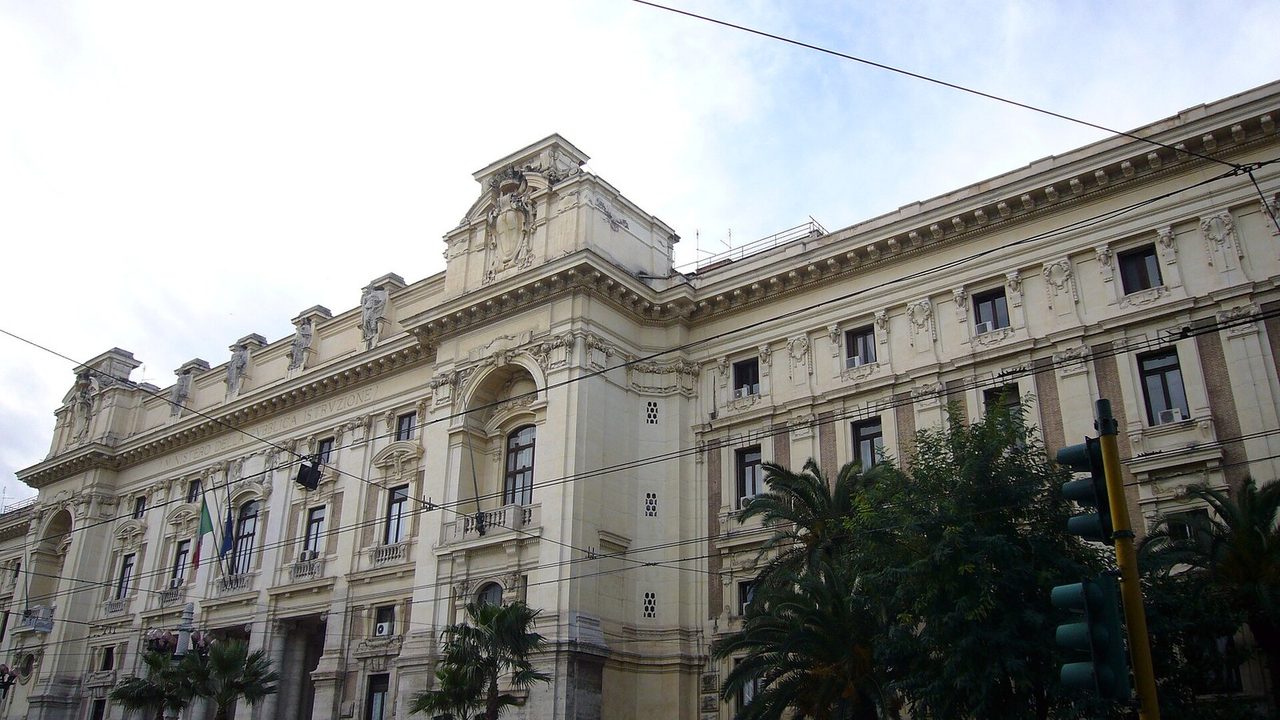
Cover photo: Lalupa / Wikimedia Commons, CC BY-SA 3.0, cropped