Shamonda Virus, Mainly a Livestock Disease, Is Found in a Human Patient in France
USD 21,65
Popular
French health authorities said Thursday that the Shamonda virus has been detected in a person for the first time, a development The Independent and BBC News both reported. The patient, who was severely immunocompromised, died in early October.
Officials stressed that the case is exceptional and that no health risk to the general population has been identified so far.
What French officials announced
According to the country’s health and agriculture ministries, the patient had been treated for a serious illness in Lyon and developed neurological complications. Early findings suggest those complications were very likely linked to Shamonda infection. The ministries said the patient’s weakened immune system left them more vulnerable to becoming ill.
Until now the virus was considered not transmissible to humans, even though it has circulated for decades in Africa and Asia. Investigations by clinicians, laboratories and epidemiologists are still under way, the authorities said.
The leading theory, per the BBC, is that the patient was bitten by an infected midge in eastern France, where the virus had been spreading among animals. The case has also been reported to the World Health Organization, and the European Centre for Disease Prevention and Control said it is monitoring the situation and working with French and European partners to examine the potential public health implications.
What Shamonda virus is
Shamonda is an insect-borne virus that mainly affects livestock. The Independent described it as an Orthobunyavirus in the Simbu group that is genetically related to the Schmallenberg virus. It was first identified in Nigeria in the mid-1960s and has since turned up only sporadically in animals in Africa and Japan.
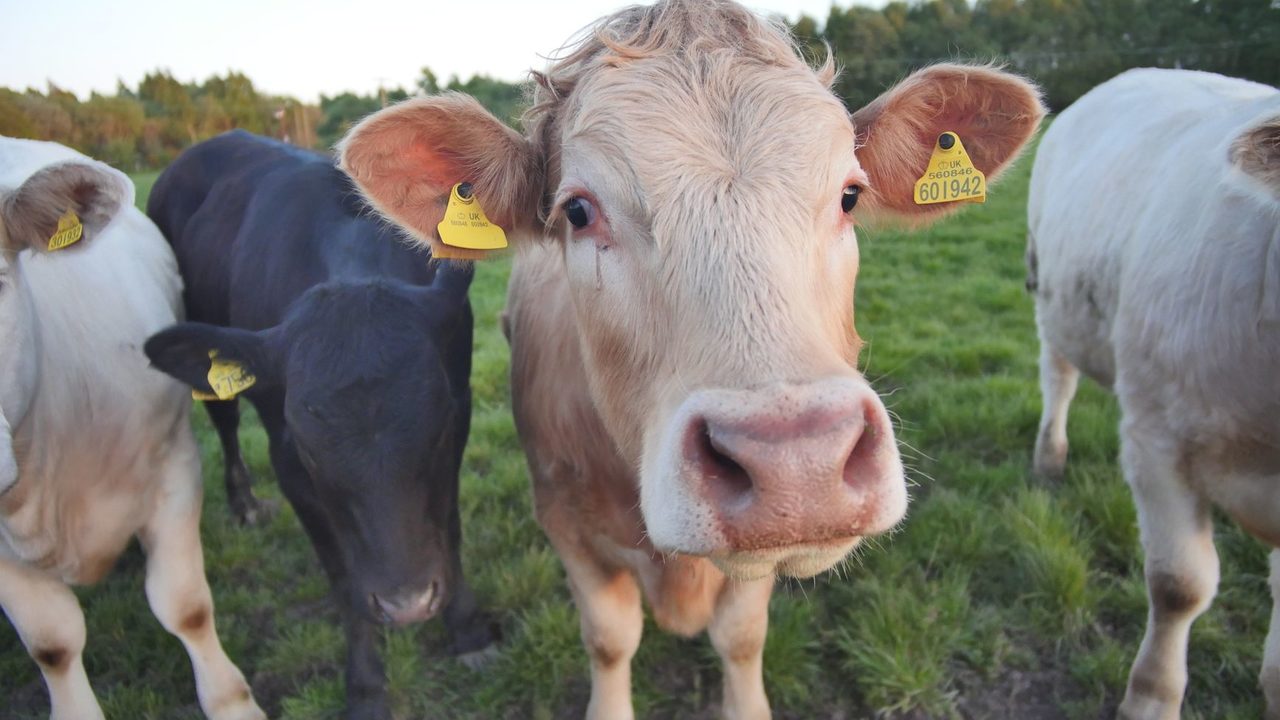
In cattle, it can cause fever, diarrhea and a sudden drop in milk production, according to the reports. The UK Animal and Plant Health Agency said abortions have been documented in infected cattle and noted concerns that infection during pregnancy could lead to congenital abnormalities. The virus has also been found in sheep, goats, horses and alpacas. The Independent, citing the British Agriculture Bureau, said it is not thought to be fatal in cattle.
No vaccine or antiviral medication exists for the disease, the Independent reported.
How it reached Europe
The virus appeared in Europe for the first time this year. The ECDC said the first European cases were identified in late July, and the BBC reported that animal cases in eastern France were first found in the spring, so accounts of the timing differ. The UK Animal and Plant Health Agency said the virus was identified in Britain in August and pointed to the potential for further spread across north-west Europe.
According to the reports, it has since been found in farm animals in several countries, including Ireland, Germany, Italy, Spain and Switzerland, as well as in Jersey.
Experts say warmer weather may have played a part. Martin Beer, head of diagnostic virology at Germany’s Friedrich Loeffler Institute, told Vet Record last month that many factors probably came together, but that temperature could be one of them. He pointed to the exceptionally high number of hot days in Germany this summer. The Independent noted that western Europe set a new temperature record this year after summer heat waves attributed to climate change.
What this means for the public and for farmers
For most people, officials say the picture has not changed: French authorities said no risk to the general population has been identified to date, and they described this as a case in a severely immunocompromised person. How the infection spreads to people is still being investigated.
For livestock keepers, the practical effects are on the farm. British farmers who suspect Shamonda-like infection in their animals have been advised to contact their local Veterinary Investigation Centre for advice and further investigation.
Around Prague, based on reporting by The Independent, BBC News, Al Jazeera