Why the EU Gave Its Top Human Rights Prize to the International Criminal Court
USD 21,65
Popular
The International Criminal Court and its staff have won the European Union's top human rights honor, the Sakharov Prize, an official announced Thursday, according to ABC News. The award came only days after the Trump administration announced sweeping new sanctions on the court.
The timing turns a ceremonial honor into a political statement, just as the EU weighs how to shield the tribunal from the effects of the U.S. measures.
Who announced the prize, and what did they say?
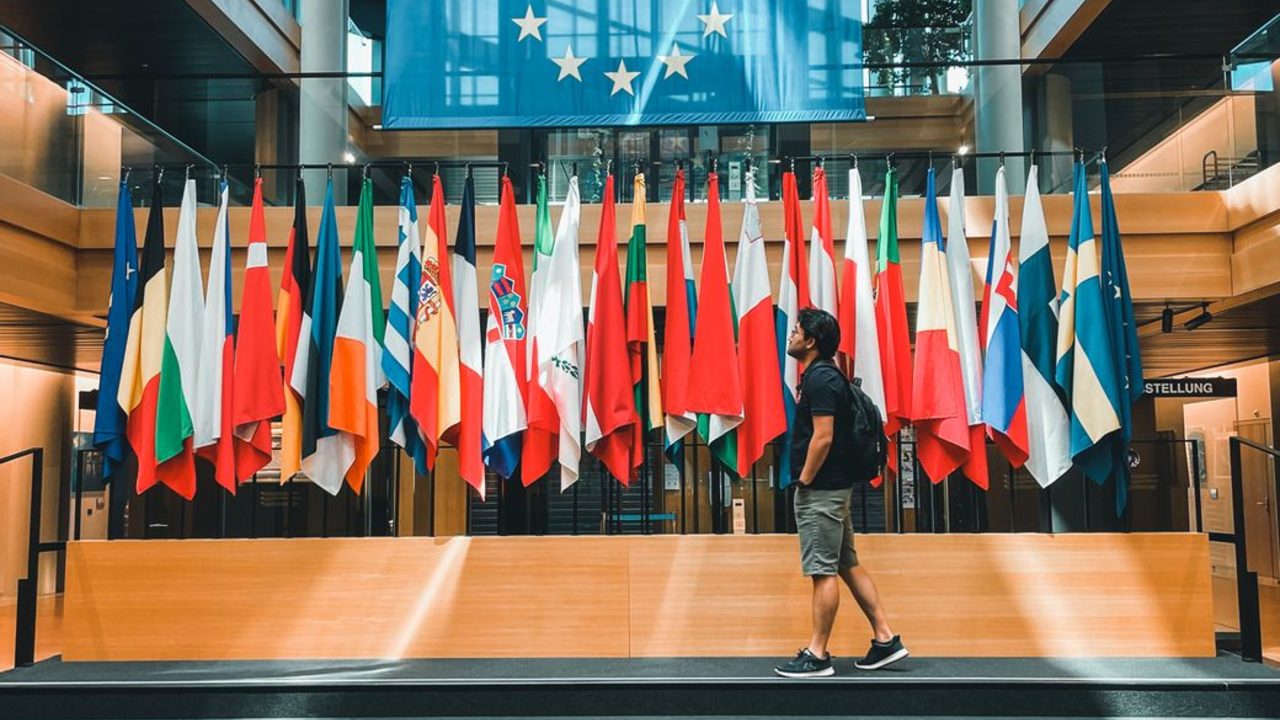
European Parliament President Roberta Metsola announced the winner at the parliament in Strasbourg, France, to a standing ovation. She said the EU is built on respect for multilateralism and international institutions, and that the prize recognizes the court's work in upholding international law and justice.
ICC President Tomoko Akane of Japan welcomed the award in a statement. She said it arrives at a time when the court and its officials face unprecedented challenges, and that it reaffirms the importance of independent judicial institutions and of the people who defend international law.
What is the Sakharov Prize?
The annual award is named after Soviet dissident and Nobel Peace Prize laureate Andrei Sakharov and was created in 1988 to honor individuals or groups who defend human rights and basic freedoms. The European Parliament calls it the highest tribute the EU pays to human rights work.
The winner is chosen by the parliament's president and its top lawmakers from candidates nominated by the political groups. The court and its officials were put forward by the Socialists and Democrats group, which unites center-left parties across Europe. The group said it was proud to have nominated them while international justice is under attack.
The other finalists were imprisoned Tanzanian opposition leader Tundu Lissu, and Taraneh and Romina Rahimi, twins held in prison for taking part in protests against the Iranian government. Last year's prize went to journalists Andrzej Poczobut and Mzia Amaghlobeli, who were jailed in Belarus and Georgia, respectively.
What are the U.S. sanctions on the court?
The Trump administration announced the new measures as part of a campaign to dismantle the tribunal over its investigations into the United States and its allies, including Israel. ABC News reported that the sanctions cut the court off from U.S.-based financial services and technology companies, and even from the use of U.S. dollars.
U.S. companies and individuals that do business with the court have six months to wind that business down. That delay means the full impact of the sanctions has been postponed.
How has the EU responded?
After a summit last week, leaders of the 27-nation bloc said they “deeply regret” the sanctions and urged the United States to reverse them. They described the six-month delay as creating room for diplomacy and said they hope the measures can ultimately be lifted.
If diplomacy fails, the leaders said the EU is ready to take all necessary measures. They asked the European Commission to take appropriate steps to protect the court and to limit the damage, particularly so that EU companies can keep providing services to it.
One option mentioned is the EU's blocking statute. It could protect European court staff, and possibly the Dutch-based court itself, by stopping European companies from complying with the U.S. measures.
What is the International Criminal Court?
The court, based in The Hague, Netherlands, opened in 2002 as a court of last resort. It prosecutes senior leaders it deems responsible for the gravest crimes, and has jurisdiction over war crimes, crimes against humanity, genocide and the crime of aggression.
Why does it matter?
The prize carries no money-related penalty or protection, but it signals where the EU stands as the sanctions threaten the court's ability to bank, use technology and pay for services. For people and companies that work with the court, the six-month window is the practical deadline to watch, and any EU countermeasure, such as the blocking statute, would determine whether European firms can continue serving it.
Several earlier Sakharov laureates, including Nelson Mandela, Malala Yousafzai, Denis Mukwege and Nadia Murad, later won the Nobel Peace Prize. Venezuelan opposition leader María Corina Machado, who won the Nobel last year, received the Sakharov Prize in 2024.
Around Prague, based on reporting by ABC News